
Lubbock, Texas Homeowner’s Guide to Hiring and Working With General Contractors
In Lubbock, how should Lubbock homeowners verify a contractor’s license and insurance?
In Texas, experienced general contractors keep projects on time and on budget. Start verification by asking for a current certificate of insurance that lists general liability and, when applicable, workers’ compensation. Request to be named as the certificate holder so the insurer can notify of any policy changes. Then, confirm coverage directly with the insurer at the phone number on the certificate. In Lubbock, also ask for a local business address, references from recent projects in the city, and proof of any city registration if applicable to the scope. Specialty trades (like electrical, plumbing, and HVAC) are licensed in Texas—so verify those license numbers through the appropriate state portals when those trades are part of the job.
Homeowners in Lubbock should expect a clean paper trail: a written estimate that matches drawings, a documented scope, and a clear plan for who pulls permits. Check complaint history with the Better Business Bureau and request at least two addresses for projects completed within the last year in neighborhoods similar to the home—Midland Drive-area ranches and newer Southwest builds often require different skill sets. Never allow work to start until the certificate of insurance is in hand and verified with the insurer. However, the lowest bid without verifiable insurance and specialty licenses invites costly risk, especially when storm-driven moisture can expose workmanship issues.
For side-by-side comparisons, platforms such as American Home Quotes (AHQ) can help filter for insured contractors and licensed specialty subs who regularly work in the Lubbock market, which has a population of 272,086 and sits on the Llano Estacado at the southern end of the High Plains.
What should a general contracting agreement include in Lubbock?
Start with a detailed scope of work tied to drawings and specifications. Line-item inclusions and exclusions should be explicit—framing, roofing tie-ins, insulation type, moisture management details, and site protection. Next, set a milestone schedule that aligns with inspections and realistic weather windows on the High Plains, where Gulf-influenced storm moisture can affect exterior work. Payments should be tied to completed milestones and passed inspections, not calendar dates, with a modest final payment held for punch-list completion and closeout documents.
Include a permit and inspection responsibility clause that states who submits plans, who schedules inspections, and who addresses corrections. Add a clear change-order process: written requests, cost/time impact, and homeowner approval before work proceeds. Allowances for finishes (tile, fixtures, flooring) should list unit costs, where items will be sourced, and lead-time assumptions. For example, if a finish is backordered when framing is ready, the agreement should define whether temporary alternatives are acceptable or if the schedule holds. Warranty terms, site cleanup, dumpster placement, and neighbor access should be noted in writing.
Finally, add dispute resolution steps and a communication cadence—weekly updates with photos work well for many Lubbock homeowners. AHQ can be useful for comparing contractors who agree to milestone-based payment terms and detailed scopes, which reduces mid-project surprises.
What happens during a city building inspection in Lubbock? (explained for local homeowners)
After permits are issued and posted on site, inspections occur at defined stages to confirm work matches approved plans and applicable requirements. The first checkpoints often include foundation and framing, followed by trade rough-ins for electrical, plumbing, and HVAC. Inspectors verify that structural connections, penetrations, and weatherproofing are installed as drawn. When storm-driven moisture is in the forecast, inspectors pay extra attention to exterior transitions and sealing details so the home remains protected during construction.
Expect a straightforward process: the contractor schedules inspections, the site is made accessible, and the approved drawings are available for review. If a correction notice is issued, it will list what must be addressed before the next step. Some items are quick fixes; others may require coordination among trades. Re-inspections are then scheduled, and work only proceeds once the specific stage is approved.
The final inspection confirms safety, functionality, and finish details. Appliances must be set, handrails installed where needed, and exterior drainage directed away from the home. Homeowners can attend, ask questions, and review any punch-list items before signing off. The goal is simple: prevent hidden problems before walls are closed and ensure the addition or remodel is ready for everyday use in Lubbock’s High Plains climate, where occasional humidity surges from Gulf systems can impact materials and finishes if not managed well.
In Lubbock, how do local building codes affect home additions in Lubbock?
Local rules shape where and how an addition can be built, from setbacks and lot coverage to heights and how the new roof ties into the existing structure. On the High Plains, plan details should account for weather swings and bursts of storm-driven moisture, including proper flashing, ventilation, and drainage planning. Zoning can influence the footprint near alleys, easements, and corner lots, so early site measurements, utility locates, and a simple massing plan help avoid redesign late in the process. Energy and moisture control details are especially important when connecting conditioned space to a garage or patio enclosure so humidity does not migrate into living areas.
However, overbuilding beyond the home’s character—common in mid-century ranch neighborhoods—can trigger design conflicts that slow approvals and complicate construction sequencing. A seasoned contractor will pre-check site constraints, coordinate with the designer, and plan for inspections that align with Lubbock’s review process without promising unrealistic timelines.
What timeline should Lubbock homeowners expect for remodels and additions?
Timelines vary by scope, but most successful projects follow the same rhythm: planning, permitting, construction, and closeout. Planning and selections go faster when drawings are complete, finishes are chosen early, and lead times are confirmed before demolition. Permit review depends on submittal quality; complete drawings with clear structural notes and product cut sheets tend to move more smoothly. Construction sequencing in Lubbock often staggers exterior tasks around weather breaks, because High Plains projects occasionally see humidity spikes from Gulf-fed systems that can delay exterior coatings and roofing tie-ins.
Once underway, milestones reduce drift. Common checkpoints include demolition and protection, framing, MEP rough-ins, insulation and air sealing, drywall and trims, and then fixtures and finishes. Inspections should be scheduled ahead of each stage so trades can keep moving. A realistic plan reserves time for corrections, backordered items, and punch-list work, especially on older homes where hidden conditions appear. Communication is the biggest schedule stabilizer in a metro of 367,109: weekly updates, photo logs, and a master schedule visible to all trades prevent idle days and rework. Stay ahead of issues with regular project updates in Texas. Request a permit review in Texas.
Frequently Asked Questions About general contractors in Lubbock, Texas
-
What are red flags in a contractor’s bid for a Lubbock remodel?
Missing insurance certificates, vague scopes, and payment terms tied only to dates are common warning signs. Bids that skip permits or inspections can lead to stop-work orders and costly rework. Look for milestone-based payments and written inclusions/exclusions that match the drawings.
-
Who schedules inspections in Lubbock, and can that delay a project?
The contractor typically schedules each inspection and should plan ahead so trades don’t sit idle. Delays happen when the site isn’t ready, access is blocked, or corrections are needed. Clear sequencing and early scheduling keep milestones moving.
-
How can zoning and setbacks limit a backyard addition near an alley?
Setbacks and easements can restrict how close an addition can build toward an alley or utility corridor. Early site measurements and a simple massing study help confirm what fits without redesign. A contractor familiar with local patterns can flag constraints before drawings go too far.
-
What payment schedule best protects Lubbock homeowners during construction?
Milestone-based draws tied to passed inspections protect both sides. Holding a modest final payment until the punch list and closeout documents are complete provides leverage for finish quality. Avoid large deposits that are not linked to deliverables.
-
How much lead time is smart before starting a remodel during peak season?
Allow several weeks for planning, selections, and permit review so the crew can start with materials ready. Ordering long-lead items before demolition reduces downtime later. Good communication and a firm schedule help navigate occasional storm-driven moisture that can affect exterior stages.
Top Rated General Contractor Contractors in Lubbock
Based on verified ratings, recent review activity and license standing. How we pick
 +3 photos
Red Dirt Associates
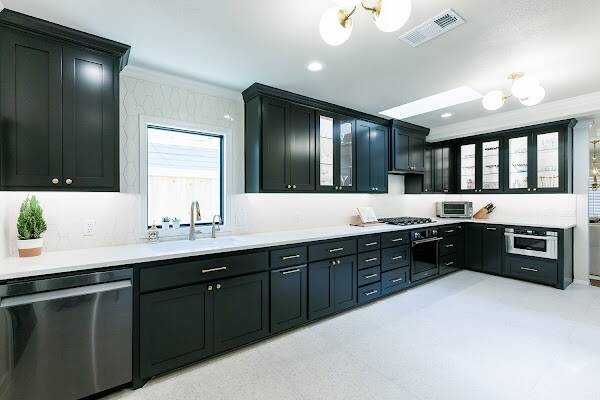
DreamMaker Bath & Kitchen
Why: Strongest review activity in the last 90 days.
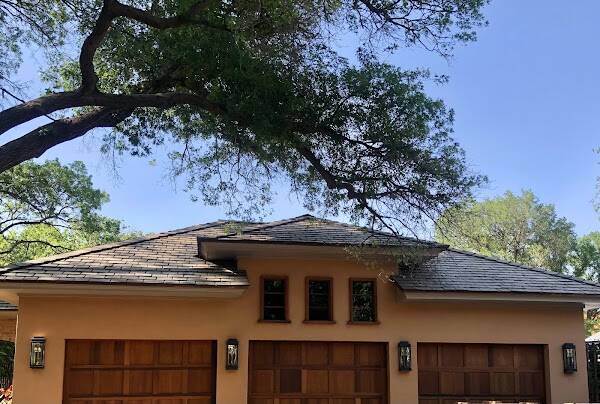
Griffin’s Contracting
Why: Specialist with a long local track record.
All General Contractors contractors in Texas
General Contractors contractors in other Texas cities
- McAllen
- Laredo
- McKinney
- Killeen
- Mesquite
- Irving
- Midland
- Houston
- Pasadena
- Grand Prairie
- Plano
- Garland
- San Antonio
- Frisco
- Waco
- Fort Worth
- Amarillo
- El Paso
- Arlington
- Dallas

