
Midland, Texas General Contractors: A Practical Homeowner’s Guide
What local programs support energy-efficient building in Midland?
From kitchen remodels to new builds, Midland contractors handle it all. Homeowners aiming for lower utility bills and better comfort should plan energy upgrades at the very start of design. The most effective projects align product choices with available incentives and clear documentation.
Here’s a practical sequence that fits Midland’s setting in the Permian Basin and West Texas climate. First, define priorities: air sealing and insulation for the building shell, high‑efficiency HVAC sized to the home, and smart ventilation to address storm-driven moisture and seasonal humidity. Second, ask the contractor to coordinate a simple energy package: duct sealing, continuous air barrier details, right-sized equipment, and verified performance testing at the end. Third, have the contractor or designer review potential incentives that may apply, which commonly include utility rebates, manufacturer promotions, and federal tax credits; ensure the team keeps model numbers, submittals, and commissioning reports organized so paperwork is effortless. Fourth, pick materials that work for regional conditions—moisture-tolerant exterior details, properly flashed openings, and insulation that maintains R‑value when humid air meets cooler surfaces. Fifth, include a commissioning step in the schedule; a quick verification of airflow, refrigerant charge, and envelope tightness helps lock in savings and comfort. Finally, keep a tidy record set for resale value and insurance: drawings with insulation notes, product cut sheets, and any test results. In a city of 132,524 residents as of the 2020 census, clear documentation helps appraisers and future buyers understand the home’s upgrades. The goal is a Midland‑ready envelope that controls heat and humidity, backed by paperwork that turns efficiency investments into real, bankable value.
How do local building codes affect home additions in Midland?
Home additions in Midland work best when design, approvals, and construction are sequenced methodically. Start with a site check for property lines and existing conditions, then align the addition’s footprint with local review requirements before drawing final plans. Next, plan structural tie‑ins so the new foundation, framing, and roof connect cleanly to the existing home—continuous load paths, proper shear, and correct fastening patterns are central to long‑term performance.
Moisture control deserves special attention in West Texas, particularly with storm-driven moisture and humidity spikes. That means flashing transitions at roof-to-wall joints, continuous weather barriers between old and new sections, and thoughtful insulation strategies that prevent condensation where conditioned air meets a warmer or cooler adjacent space. Energy details, such as duct placement and air barrier continuity, should be shown on the drawings so trades don’t guess in the field. Plan reviews and on-site inspections are part of the process; a general contractor will typically sequence excavation, foundation, framing, mechanical rough-ins, and finishes to line up with those checkpoints. Do not pour footings or order custom windows until written approvals are in hand. This avoids rework, delays, and costly restock fees if design adjustments occur. However, compressing design and review into a rushed window can shorten lead time, but it often increases change orders and scheduling conflicts later. Clear drawings, moisture‑aware details, and a realistic timeline keep a Midland addition durable, efficient, and straightforward to inspect.
How do general contractors estimate project costs in Midland?
Estimating in Midland blends scope, site realities, and market timing. A solid estimate clarifies what is included, what is excluded, and how unknowns will be handled so surprises—and budget creep—are limited.
Scope and site conditions: Contractors begin by measuring spaces, confirming structural constraints, and mapping utilities. For remodels, exploratory allowances cover hidden conditions behind walls or under slabs. In West Texas weather patterns with periodic storm moisture, estimators often include provisions for exterior flashing improvements or dehumidification tweaks when the building envelope is being opened. Clear drawings and a selections list (cabinets, tile, windows, roofing) reduce contingencies and yield tighter pricing.
Market and schedule drivers: Midland’s role as a major hub in the Permian Basin can influence labor and material availability. Estimators watch lead times for HVAC equipment, windows, and electrical gear, then add schedule contingencies to protect against backorders. When the regional market heats up, bids may reflect overtime or alternative material options to keep timelines realistic. A transparent schedule—demo, rough‑in, inspections, finishes—helps homeowners see where cost and time intersect.
Specifications and allowances: The estimate should separate fixed items from allowances. For example, setting a dollar amount per square foot for flooring or a fixture allowance keeps momentum while final selections are made. A contingency line (often a small percentage of the contract) is prudent for remodels, while new builds might carry a more modest reserve if soils, design, and utilities are well defined. The best Midland estimates read like a roadmap: clear scope, documented choices, realistic lead times, and sensible contingency.
What should a general contracting agreement include in Midland? (explained for local homeowners)
A strong contract turns a concept into a managed build. It explains scope, timing, quality expectations, risk allocation, and how changes are handled, all in plain language so the project runs smoothly.
Scope, drawings, and selections: The agreement should attach the latest plans and a written scope of work. Include a detailed selections schedule—windows, doors, roofing, siding, cabinets, countertops, plumbing and lighting fixtures—so pricing and lead times are anchored to actual products suitable for Midland’s storm‑moisture conditions. If energy upgrades are part of the plan, list performance targets and final verification steps.
Schedule and payments: Set a realistic start window and milestones tied to inspections and major deliveries. Use a progress payment schedule connected to visible accomplishments (e.g., foundation placed, framing complete, rough‑ins approved) rather than dates alone. Retainage, if used, should be clearly stated. Change orders must be written, priced, and signed before extra work proceeds; this protects both sides.
Risk and closeout: Confirm licensing where applicable, proof of general liability and workers’ compensation insurance, and warranty terms. Require lien releases with each progress payment to protect the property. Spell out punch‑list timing, training on new systems, and delivery of manuals, serial numbers, and inspection sign‑offs for the homeowner’s records. Homeowners comparing firms can use American Home Quotes (AHQ) to review multiple licensed contractors, check references, and align proposals on the same scope. A clear, Midland‑ready contract sets realistic expectations so the build finishes on time and on budget.
Frequently Asked Questions About general contractors in Midland, Texas
-
Which rebates or incentives can help cut energy costs after a Midland remodel?
Homeowners often combine utility rebates, manufacturer promotions, and federal tax credits when upgrading HVAC, insulation, or windows. Contractors can coordinate product documentation and final testing so paperwork is easy to submit and savings are captured. Ask early in design to align selections with eligible programs.
-
How much contingency should be set aside for a Midland renovation?
For remodels, a modest contingency helps address hidden conditions discovered after demolition. New construction may carry a smaller reserve if plans and soils are well defined. The contractor’s estimate should show a separate contingency line so homeowners can track usage.
-
What insurance and documentation should a Midland contractor provide?
Expect proof of general liability and workers’ compensation coverage, plus any licenses that apply. Contracts should require lien releases with each payment and include warranties, inspection approvals, and product manuals at closeout. Clear paperwork protects the homeowner, lender, and resale value.
-
When is the best time of year to start a home addition in Midland?
Scheduling is driven by labor availability, material lead times, and inspection calendars rather than one “perfect” month. Contractors plan around major deliveries and moisture‑sensitive phases like roofing and exterior flashing. A milestone‑based schedule helps keep momentum regardless of season.
-
How can Midland homeowners reduce moisture issues during renovations?
Specify continuous air and weather barriers, correct flashing at openings, and right‑sized HVAC with balanced ventilation. These choices help the home manage storm‑driven moisture and seasonal humidity. Verification at project close (airflow, envelope checks) confirms performance.
Avoid costly mistakes with experienced contractors in Texas. Explore licensed construction professionals across Texas.
Top Rated General Contractor Contractors in Midland
Based on verified ratings, recent review activity and license standing. How we pick
 +3 photos
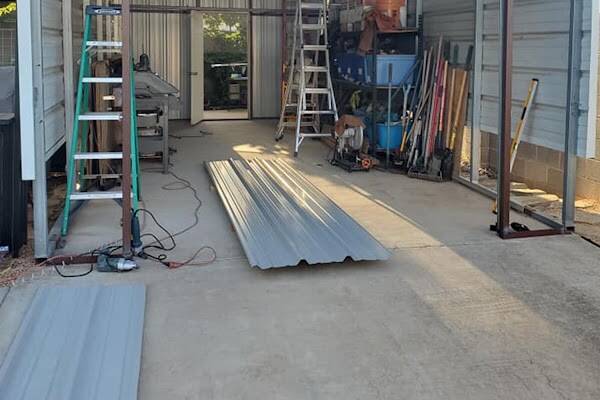
Fefin’s Carports
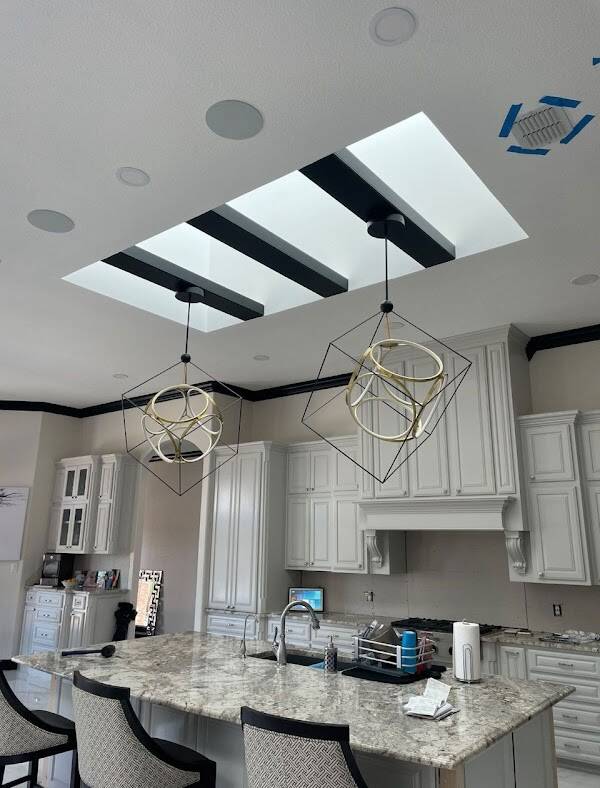
Carpenters Sons Construction
Why: Strongest review activity in the last 90 days.
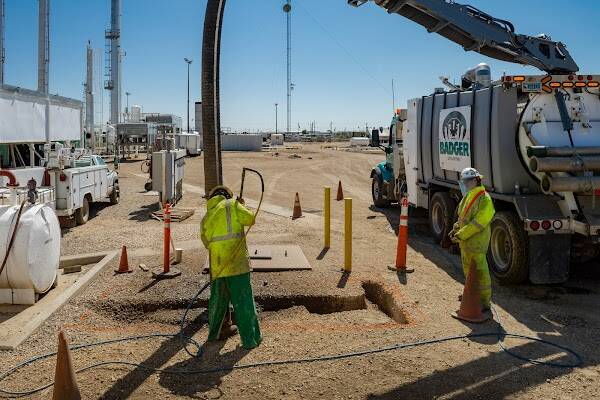
Badger Daylighting Hydrovac Truck Excavating Services
Why: Specialist with a long local track record.
All General Contractors contractors in Texas
General Contractors contractors in other Texas cities
- Pasadena
- Mesquite
- Plano
- McKinney
- San Antonio
- McAllen
- Waco
- Lubbock
- Amarillo
- Laredo
- Arlington
- Killeen
- Austin
- Irving
- Brownsville
- Houston
- Carrollton
- Grand Prairie
- Corpus Christi
- Garland

