
Norfolk Homeowner’s Guide to Hiring a General Contractor: An Inspector’s Perspective
How does project scheduling differ between large and small renovations in Norfolk?
In Virginia, licensed pros manage every detail from permits to final inspection. From my inspector’s perch around Ghent, Larchmont-Edgewater, Ocean View, and the blocks near the Lafayette and Elizabeth rivers, I see small and large projects unfold very differently. A small bathroom refresh or a porch repair on a 1920s bungalow can often be sequenced with one permit, a short lead time for materials, and maybe a single inspection milestone, so a clear two- to four-week plan is realistic if the scope is clean. By contrast, whole-house renovations or additions in Norfolk’s older housing stock tend to move in phases—demo and discovery, structural and rough-ins, insulation and drywall, finishes—and each phase brings inspections, specialty trades, and decision points that elongate the calendar. These older homes often surprise you with plaster over lath, outdated wiring, or hidden moisture in crawlspaces, and that discovery work adds time that a seasoned general contractor will budget with float days, not wishful thinking. A contractor who truly knows Norfolk also schedules around local realities: spring nor’easters, the June–November storm season, high water tables that complicate foundation work, and even the Hampton Roads Bridge–Tunnel and Downtown/Midtown tunnel traffic that can delay early-morning deliveries. On bigger projects in local historic districts, you’ll also see time built in for design revisions and review board approvals before exterior changes, and for long-lead items like custom windows that match neighborhood character. When I see a large project schedule, I look for honest sequencing, supplier lead times, inspection checkpoints, and a communication plan that acknowledges weather holds, because in a coastal city of nearly 240,000 with busy inspectors and active job sites, optimism is not a schedule.
Which red flags indicate poor contractor communication in Norfolk?
First, if a contractor skips a thorough walk-through of your home—including the crawlspace that so many Norfolk houses rely on—that’s a signal they’re not prepared to talk frankly about moisture, ventilation, and access, all of which affect timing and cost. Another red flag is vague talk about permits or pushing you to “be the owner-builder” so they can dodge paperwork; in this city, licensed contractors should be comfortable pulling permits and meeting inspectors on-site. I also listen for silence about weather: a pro who works here will bring up wind-driven rain, high tides, and how they’ll stage materials to avoid delays during nor’easters, while a poor communicator acts as if every day is 72 and sunny. If they can’t outline how traffic across Hampton Roads can delay subs and deliveries—and what their backup plan is—they haven’t planned your schedule beyond a best-case scenario. References matter too; if they can’t point to jobs in neighborhoods like Colonial Place, Ghent, or Ocean View and tell you what went right and what bogged down, you’re buying a learning curve. Use tools like American Home Quotes (AHQ) to compare licensed contractors and ask each one for a sample weekly update so you can see how they handle changes, inspections, and punch lists before you sign. “We learned the hard way that if a contractor won’t send a quick end-of-day text update, the whole week starts slipping without anyone noticing.” Last, watch how they document surprises: if rot pops up under a porch or a brick façade needs repointing, a good communicator will price it, schedule it, and put it in writing the same day; a bad one will shrug and keep moving, and that’s when budgets blow up.
What documentation should a contractor provide after final inspection in Norfolk?
At the end of a job, I expect a clean paper trail that proves the work is complete and that you can live with it comfortably for years, including if you later sell in Norfolk’s busy Hampton Roads market. Start with copies of the permit record and the city’s final inspection approval, plus any third-party test results performed along the way—duct leakage, insulation certificates, or structural letters when applicable. A solid contractor hands you lien waivers from major subs and suppliers so you’re protected against surprise claims, which matters on larger projects with multiple trades. You should also receive a closeout package with as-built drawings or marked-up plans showing where shutoff valves, cleanouts, junction boxes, and hidden blocking landed—this is gold in homes with layered renovations. Warranties belong in that packet too: manufacturer registrations for roofing, windows, siding, and appliances, along with a written workmanship warranty and the point of contact for warranty service. I like to see product data sheets, paint formulas for touch-ups, tile and grout SKUs, and a change-order log that matches your final invoice so there’s no confusion about what was added or credited. In flood-prone pockets near the Lafayette River or along Willoughby Spit, ask for photos documenting the elevation of mechanical equipment and any flood-mitigation details that were part of the scope; while not a permit item by itself, that record helps insurers and future buyers understand what was done. Finally, insist on digital copies of everything—PDFs and labeled photo folders—so you’re not digging through a box when you need to find a valve or register a warranty.
How do weather conditions in Norfolk affect material selection?
Norfolk’s coastal climate—humid summers, salt air off the Chesapeake and Elizabeth River, and periodic high-wind events—forces different choices than you’d make inland. On the exterior, I recommend corrosion-resistant fasteners and connectors—stainless steel or hot-dip galvanized—because standard hardware can rust quickly in Ocean View, Willoughby, or any block that feels the breeze. Fiber-cement siding, well-detailed brick with clear weep paths, and PVC or composite trim stand up to wind-driven rain and repeated wetting better than unprotected wood, though in historic areas your contractor should balance durability with guidelines for period-appropriate looks. Roofing systems benefit from higher-wind-rated shingles, a robust nailing pattern, and peel-and-stick underlayment at eaves, valleys, and rakes to handle nor’easters; that extra layer often decides whether a minor blow turns into a ceiling stain. Windows and doors that perform in coastal gusts—think sturdy frames, quality flashing, and proper pan details—save a lot of grief; if you’re replacing units in an older Colonial or foursquare, your contractor can spec products that keep the style while improving weather resistance. Inside, elevated humidity and a shallow water table push you toward moisture-smart assemblies: closed-cell foam at rim joists, vapor-open wall systems that can dry to the interior, and conditioned, sealed crawlspaces with dehumidification rather than vented voids that invite condensation. Flooring on first levels near grade should be chosen with occasional wetting in mind—engineered wood, tile, or resilient products—and if you’re finishing a space over an unconditioned porch or garage, continuous air sealing matters more than a thicker batt alone. Even finish choices benefit from coastal thinking: exterior paints designed for marine or high-UV environments, lighter colors that fade less, and hardware with finishes meant to survive salt spray. If your home sits in one of Norfolk’s local historic districts, the right general contractor will help you navigate material approvals while still specifying details—like kickout flashing, rainscreen gaps, and better sealants—that quietly extend service life without changing the streetscape. Keep your project on track with a skilled contractor in Norfolk. Book a site inspection for your Norfolk property.
Top Rated General Contractor Contractors in Norfolk
Based on verified ratings, recent review activity and license standing. How we pick
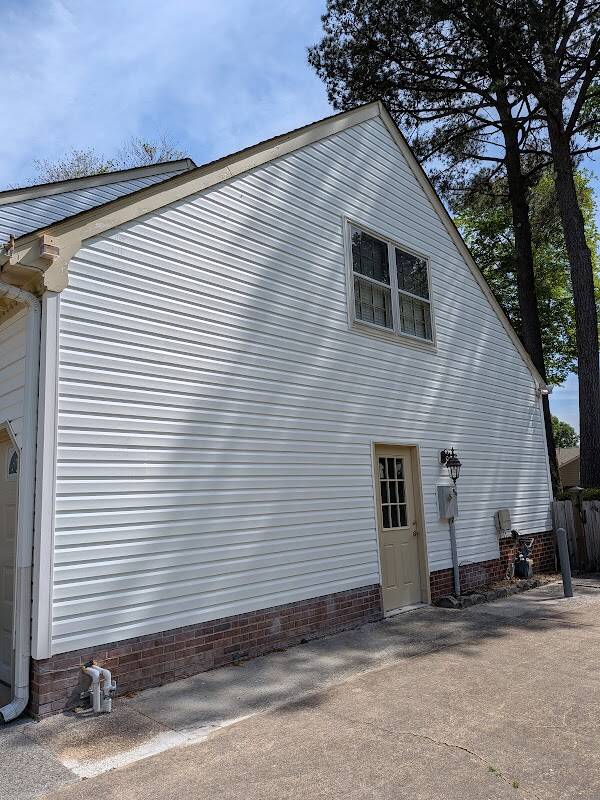 +3 photos
DNG Construction
Wrightway Home Remodeling, LLC
Why: Strongest review activity in the last 90 days.
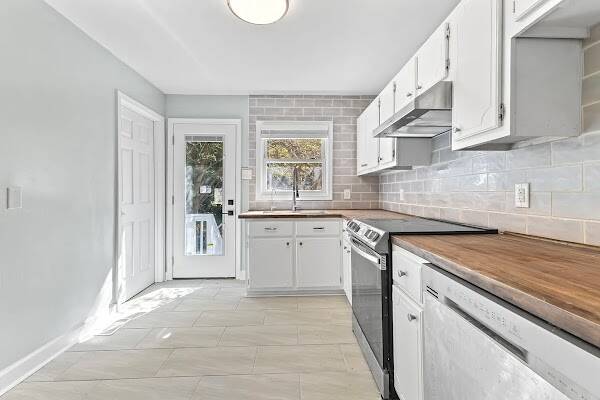
Providence Construction Group
Why: Specialist with a long local track record.
All General Contractors contractors in Virginia
General Contractors contractors in other Virginia cities
- Portsmouth Heights
- Newport News
- Portsmouth
- Lynchburg
- Reston
- Leesburg
- Richmond
- Harrisonburg
- Roanoke
- Hampton
- South Suffolk
- East Hampton
- Suffolk
- Dale City
- Virginia Beach
- Chesapeake
- West Lynchburg
- Centreville
- Alexandria
- Arlington

