
Richmond Homeowner’s Guide to Hiring and Working with General Contractors
Which historic review and permitting steps affect Richmond remodels?
In Virginia, the right contractor protects your investment. In Richmond, that starts with someone who can navigate historic review and city permitting that come with a capital city of about 226,610 residents. If your home sits in one of the city’s historic neighborhoods—think Church Hill, the Fan, or Jackson Ward—exterior changes visible from the street typically require a design review before any building permit is issued. Windows, doors, porches, roofing profiles, brickwork, and new additions are the common touchpoints, while most interior updates move straight to building permits unless they affect structure or utilities. A seasoned contractor will collect site photos, measured drawings, and product cut sheets that explain how the work respects the block’s scale and materials, which helps reviews go smoothly. Plan sequencing so design approval is secured prior to structural, electrical, or plumbing permit applications, and expect coordination if your property backs onto an alley or shares a party wall with a rowhouse. Because the James River hills can trigger drainage and retaining-wall concerns, many remodels also pass through a stormwater look, so your contractor should factor submittals and neighbor notices into the schedule.
How to plan crawlspace moisture control during Richmond renovations?
Richmond’s long, humid summers and quick bursts of rain from pop-up storms or offshore systems are hard on vented crawlspaces, especially under older brick and wood-frame homes. When you renovate, make crawlspace moisture a first-class item rather than a punch-list afterthought, because flooring, trim, and even paint performance will follow whatever happens below the subfloor. Smart local contractors begin with a dry-out and inspection, looking for rim-joist rot, soft sills, efflorescence on foundation walls, and signs of past flooding along the James and its tributaries. From there, the plan usually pairs roof-and-yard fixes—clean gutters, extended downspouts, and grading that moves water away from those clay-heavy Richmond soils—with interior controls. Inside the crawl, that means a sealed vapor barrier with taped seams, careful air sealing at penetrations, and a dehumidifier sized for the volume of the space rather than a generic plug-in. “Once we sealed the crawl and added drainage, the musty smell vanished and our pine floors stopped cupping,” says a West End homeowner who tied the work to a kitchen remodel. In many Richmond houses, contractors now convert formerly vented spaces to sealed, conditioned crawlspaces, coordinating with HVAC pros so supply air and return paths don’t create condensation surprises. If standing water has been an issue, the team should trench a shallow interior drain to a sump with a reliable pump and alarm, and they should schedule a post-storm check before closing in drywall above. Termites are a fact of life in central Virginia, so moisture work should include a clear inspection path around the foundation, plus documentation for any treatments timed with the renovation. Expect them to protect original brick piers and older mortar by using gentle cleaning methods and compatible materials rather than harsh sealers that trap moisture. Finally, ask that the moisture readings and photographs taken before, during, and after the work be included in your project records, so future contractors understand the system you installed.
What should be included in a contractor’s bid in Richmond?
A Richmond-ready bid should read like a roadmap, not a postcard. Look for a line-by-line scope that separates demolition, structural work, mechanical/electrical/plumbing, and finishes, with named materials or allowances realistic for your block and house age. For pre-1978 homes common across the city, the bid should include lead-safe work practices and dust control, and for brick facades it should state how mortar and units will be matched. Ask for a site logistics plan that accounts for narrow alleys, limited Fan District parking, and protection of front steps, porches, and ironwork during deliveries. The bid should say who pays for permits and how reviews are handled, along with a schedule that flags decision deadlines and includes weather buffers during summer storm season. Make sure crawlspace moisture work—vapor barrier, drainage, and dehumidification—is either fully included or excluded in writing so you can compare apples to apples. Lastly, require a clear warranty statement, proof of insurance, and sample lien waivers in the bid packet, so there’s no guesswork once work begins.
What should a general contracting agreement include in Richmond?
A solid general contracting agreement in Richmond formalizes the bid and adds the protections that matter on older housing stock. It should identify the property by address, define the complete scope with referenced drawings and specs, and include a schedule of values with payment milestones tied to visible progress and passed inspections. Change orders deserve their own section that explains pricing, markup, and how schedule impacts are documented, which is especially useful when hidden conditions appear behind plaster. Require insurance certificates, license information, and a clause for lien waivers with each draw, plus a warranty that distinguishes workmanship from manufacturer coverage. Because access can be tight in Church Hill and parts of the Fan, include jobsite rules covering protection of sidewalks and stoops, debris removal plans, and a parking and delivery strategy that respects neighbors. For homes near the river or on sloped lots, add language on erosion control and stormwater measures during construction, and set expectations for daily cleanup that keeps dust out of those high-ceilinged front rooms. The agreement should also spell out how the contractor will coordinate utility locates before any digging, and how communication will work—weekly walkthroughs, photo updates, and who signs off on details. If you’re still comparing options, American Home Quotes (AHQ) is a straightforward way to request bids from licensed, local contractors and line them up against the same scope. Close with dispute-resolution steps that start with a meeting and escalate only if necessary, and make sure the document names which finishes are owner-selected allowances and when those choices are due. Keep your home protected with regular contractor check-ins in Richmond. Get a quote for your remodel in Richmond.
Top Rated General Contractor Contractors in Richmond
Based on verified ratings, recent review activity and license standing. How we pick
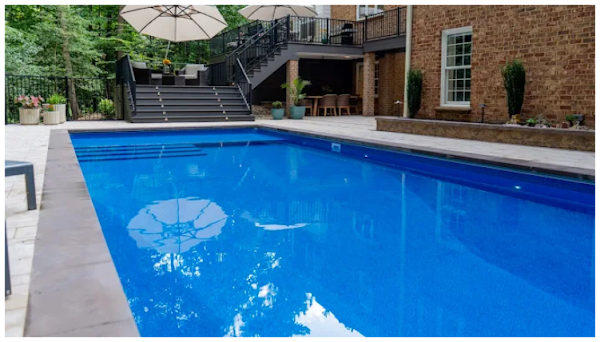 +3 photos
Cleanstone Construction
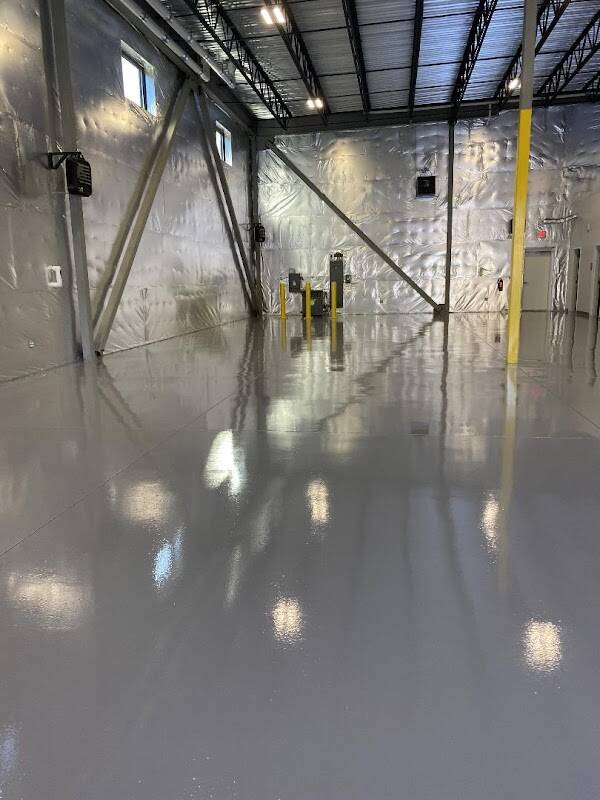
Eastcoat Concrete Coatings & Rehab
Why: Strongest review activity in the last 90 days.
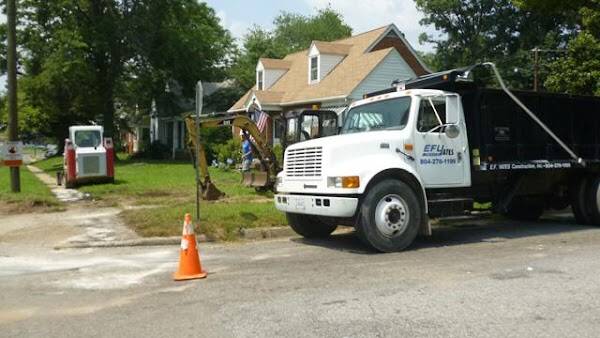
E. F. Yates Construction, Inc.
Why: Specialist with a long local track record.
All General Contractors contractors in Virginia
General Contractors contractors in other Virginia cities
- Roanoke
- Reston
- South Suffolk
- Portsmouth
- Suffolk
- Portsmouth Heights
- Virginia Beach
- Norfolk
- West Lynchburg
- Newport News
- Alexandria
- Lynchburg
- Arlington
- Leesburg
- Centreville
- Harrisonburg
- Chesapeake
- Hampton
- Dale City
- East Hampton

