




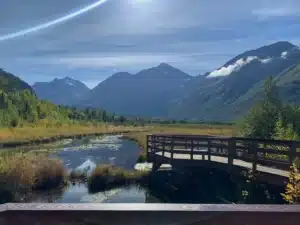

Alaska Home Security Contractors: A Complete Guide to Hiring Contractors
Alaska, with its stunning, rugged landscapes, presents unique challenges and opportunities for homeowners. From the icy expanses of the North Slope to the coastal rainforests of the Southeast, Alaskans live in a world where nature reigns supreme. Here, the long winter nights and isolation make home security a top priority. However, not just any system will do. Home security contractors in Alaska must consider extreme weather conditions, remote locations, and the state’s unique building codes. Whether you’re a long-time resident or new to the Last Frontier, understanding how to choose the right security solutions is crucial. This guide will walk you through what you need to know, from selecting the best equipment to ensuring reliable alarm connectivity, even in the fiercest blizzards.
Which alarm companies service remote areas of Alaska?
When it comes to securing homes in Alaska’s remote regions, not all security companies are equipped to handle the challenges. Major national providers often have limited coverage in these areas, leaving homeowners to rely on local companies with a better understanding of the terrain and climate. Local Alaskan security firms are accustomed to providing service even in the most isolated locations. They offer tailored solutions that consider logistical hurdles such as limited road access and unreliable power sources. This intimate knowledge of the Alaskan environment makes them adept at installing robust systems that can withstand the state’s extreme conditions.
Choosing the right company involves weighing the pros and cons of local versus national providers. While national companies might offer advanced technology and support networks, local firms often excel in personalized service and regional expertise. It’s crucial to assess your specific needs and the reliability of the company’s network in your area. For more insights into how local contractors handle similar infrastructure challenges, see also Roofing services in Alaska.
Which cameras and locks withstand Alaska’s freezing winters?
Alaska’s climate can be unforgiving, with temperatures plummeting well below zero. This means that standard security cameras and locks might not perform optimally in such conditions. For homeowners, it’s essential to choose equipment specifically designed to withstand these extreme temperatures. Cameras with heated housings and locks made of materials that resist freezing are crucial. Additionally, equipment should be rated for low-latitude operation, ensuring it functions correctly despite the lack of sunlight during the winter months.
When comparing options, look for products with a proven track record in cold climates. Cameras with infrared capabilities are particularly beneficial as they can capture clear footage even in the dark, lengthy nights of an Alaskan winter. Similarly, electronic locks with backup power sources ensure you’re not locked out during power outages. While the upfront costs may be higher, the durability and reliability of these systems often outweigh the initial investment, making them a wise choice for Alaskan homeowners.
How to maintain motion sensors during long Alaska nights?
Motion sensors are a staple of home security systems, but they require careful maintenance to function effectively in Alaska’s long, dark winters. The prolonged nights can lead to false alarms if sensors are not properly calibrated or maintained. It’s crucial to position sensors strategically, avoiding areas where wildlife may trigger them unnecessarily. Regular maintenance, such as cleaning lenses and checking batteries, is essential to ensure these devices operate smoothly throughout the winter months.
For those living in areas with extreme weather conditions, investing in sensors with adjustable sensitivity settings can help reduce false alarms. These advanced sensors can differentiate between human and animal movements, providing more accurate detection. Ensuring your sensors are weatherproof and designed for low-temperature operation will also enhance their longevity and performance. By taking these precautions, homeowners can maintain reliable motion detection even during the harshest Alaskan nights.
How do homeowners ensure alarm connectivity during blizzards in Alaska?
Connectivity is a critical component of any home security system, and maintaining it during Alaskan blizzards can be challenging. Blizzards can disrupt power lines and internet connections, leaving alarm systems vulnerable. To combat this, homeowners should consider systems with cellular backup, which keeps alarms operational even when the primary connection fails. Moreover, having a generator or battery backup ensures that security systems remain active during power outages.
It’s also important to regularly test your system’s connectivity to ensure it’s functioning correctly. Regular updates and maintenance checks can help identify potential weaknesses in the system before they become critical issues. For more information on maintaining essential systems in adverse conditions, you might find valuable insights in Plumbing services in Alaska. By prioritizing connectivity and backup solutions, homeowners can keep their security systems robust, even in Alaska’s toughest weather.
When to test smoke and CO systems in Alaska’s cold climate?
Smoke and carbon monoxide (CO) detectors are vital for home safety, especially in Alaska’s cold climate, where heating systems run continuously. Testing these systems regularly ensures they perform when needed most. Experts recommend checking the functionality of smoke and CO detectors at least once a month. This includes testing the alarm sound, checking battery levels, and inspecting sensors for any dust or debris that might impair function.
Winter is an especially critical time to conduct these tests, as heating systems are in full use and the risk of CO exposure increases. Replacing batteries in the fall, before the onset of the coldest months, can provide peace of mind that detectors will operate throughout the winter. By adhering to a regular testing schedule, homeowners can ensure their safety systems are ready to protect them against fire and CO dangers.
In conclusion, navigating the nuances of home security in Alaska requires knowledge and preparation. The extreme climate and remote locations demand specialized equipment and reliable service providers. We encourage homeowners to compare free quotes from verified local contractors to find the best solutions for their needs. With our resources, you can confidently secure your Alaskan home, ensuring safety and peace of mind in the Last Frontier.
Home Security contractors nationwide
Home Security contractors in other states
- Arizona
- Alabama
- Arkansas
- Wyoming
- California
- Wisconsin
- Colorado
- West Virginia
- Connecticut
- Washington
- Delaware
- Virginia