
Your Essential Guide to HVAC Services in Phoenix, Arizona
How does extreme heat stress air conditioning in Phoenix, and how to size properly?
Phoenix, known for its scorching summers, can see temperatures soar above 110°F, putting immense strain on air conditioning systems. This extreme heat can lead to frequent breakdowns if units are not properly sized for the home. A common mistake is underestimating the size needed, which leads to systems running continuously, increasing wear and tear. Proper sizing involves calculating the home’s square footage, insulation quality, and window efficiency. A professional HVAC technician can conduct a load calculation to ensure your unit is capable of handling the Phoenix heat. This not only helps in maintaining comfort but also in increasing the system’s longevity. If your home is older, consider upgrading insulation to reduce stress on your AC unit during peak summer months.
Which high-SEER units and zoning systems make sense for Phoenix homes?
In Phoenix, investing in a high Seasonal Energy Efficiency Ratio (SEER) unit is crucial for energy efficiency and cost savings. High-SEER units, such as those rated 16 or above, perform optimally in the city’s desert climate, reducing energy consumption during prolonged use. Additionally, zoning systems can offer personalized comfort by allowing homeowners to control temperatures in different areas of the house. This is particularly beneficial in larger homes or those with multiple stories, which are common in Phoenix. By adjusting cooling efforts to occupied spaces, zoning systems help in managing utility costs effectively. For more tips on maintaining a comfortable home climate, consider exploring mold services in Phoenix to ensure your indoor air quality remains high.
Which air conditioning failures most often cause outages in Phoenix homes?
Air conditioning failures in Phoenix often stem from overworked systems and poor maintenance. Common issues include refrigerant leaks, which can reduce cooling efficiency and lead to complete system shutdowns. Clogged filters and dirty coils are also frequent culprits, as they restrict airflow and force the system to work harder. Electrical failures due to overheating can also cause sudden outages. Regular maintenance, such as bi-annual inspections and timely filter replacements, can prevent these issues. Undersized units may also fail more often, unable to keep up with the relentless Phoenix heat. To avoid these outages, working with a knowledgeable HVAC professional is essential in ensuring your system is prepared for intense summer conditions.
What are the warning signs of unsafe CO levels in Phoenix heating systems?
In Phoenix, as temperatures dip in the cooler months, homeowners often rely on heating systems that can pose carbon monoxide (CO) risks if not properly maintained. Warning signs of unsafe CO levels include visible rust or soot around furnace or vent areas, which indicate improper ventilation. Unusual odors, especially a burning smell, can also be a red flag. Other signs include yellow burner flames instead of blue and excessive moisture or condensation on windows during heating operation. If you suspect CO issues, it’s critical to have a professional inspection immediately. Additionally, installing a CO detector can provide early warnings and added peace of mind. To ensure your home’s overall safety, explore roofing services in Phoenix for proper roof ventilation that supports heating system efficiency.
Top Rated HVAC Contractors in Phoenix
Based on verified ratings, recent review activity and license standing. How we pick
 +3 photos
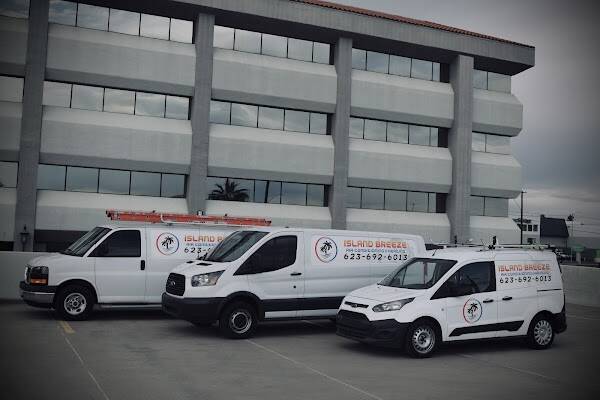
Island Breeze Air Conditioning & Heating LLC
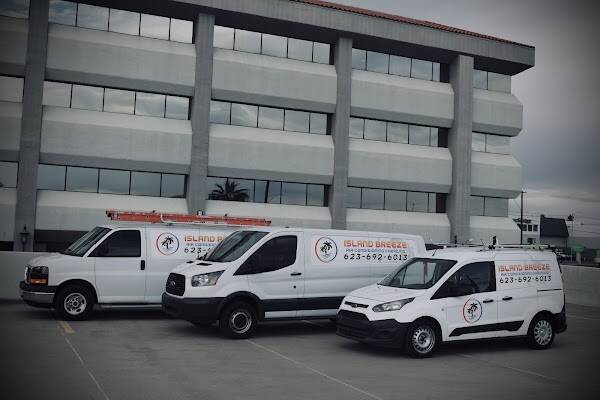
Island Breeze Air Conditioning & Heating LLC
Why: Strongest review activity in the last 90 days, with 616+ reviews.
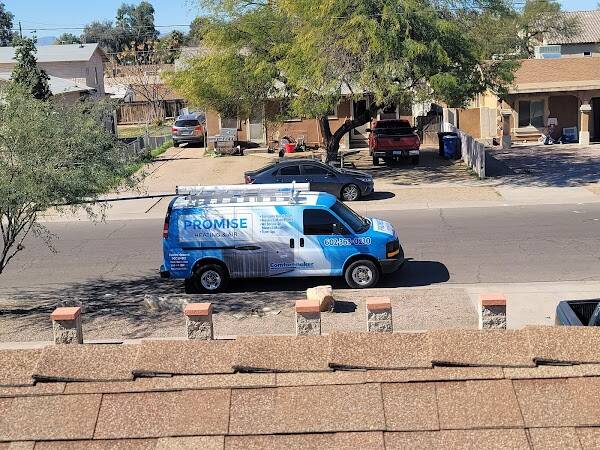
Promise Heating & Air
Why: Specialist with a long local track record, with 230+ reviews.
HVAC contractors in other Arizona cities
- San Tan Valley
- Peoria
- Scottsdale
- Mesa
- Surprise
- Maryvale
- Tempe
- Lake Havasu City
- Tempe Junction
- Goodyear
- Tucson
- Glendale
- Yuma
- Gilbert
- Ahwatukee Foothills
- Flagstaff
- Alhambra
- Encanto
- Avondale
- Deer Valley

