
Your Comprehensive Guide to Mold Services in South Bend, Indiana
What should South Bend homeowners do first after ice-dam events to limit mold
South Bend homeowners facing ice-dam events should act swiftly to limit potential mold growth. The first step is to carefully inspect your home for any visible water damage, especially along the roofline and in the attic. This area is vulnerable due to South Bend’s frequent freeze-thaw cycles in winter. Removing ice dams should be done cautiously to prevent further damage; consider using a roof rake or hiring professionals. After addressing the immediate issue, thoroughly dry affected areas using fans or dehumidifiers to prevent moisture from absorbing into wood and insulation. It’s also advisable to check for water stains on ceilings and walls, as these can be early indicators of hidden mold. By addressing these issues promptly, you can protect your home from long-term structural damage and health risks associated with mold.
How do thermal bridges and missing insulation create cold spots for condensation in South Bend?
In South Bend, thermal bridges and missing insulation can lead to cold spots, which are prime locations for condensation and subsequent mold growth. Thermal bridges occur where materials with high thermal conductivity, like metal beams or poorly insulated wall studs, allow heat to escape more easily, creating cooler spots. In older South Bend homes, which are common due to the city’s historic neighborhoods, insufficient insulation may exacerbate this issue. When warm, moist air from inside the home meets these cold surfaces, condensation forms. Over time, this moisture can lead to mold if not properly managed. Homeowners should consider improving insulation in these areas and ensuring that all gaps are sealed to minimize temperature differences that lead to condensation.
Where does hidden growth often occur in South Bend homes?
Hidden mold growth in South Bend homes often occurs in places that are both humid and poorly ventilated. Basements are a common culprit, especially those in older houses where waterproofing may be inadequate. Attics can also harbor mold if roof leaks go unnoticed or if ventilation is poor, leading to trapped moisture. Bathrooms, especially ones without exhaust fans, can foster mold growth behind walls and under flooring. South Bend’s humid summers exacerbate these conditions by increasing indoor humidity levels. Regular inspections and good ventilation practices can help prevent these hidden mold issues. Using a dehumidifier in damp areas and checking for leaks frequently can also mitigate the risks.
What should a mold inspection or scope of work include in South Bend?
A mold inspection in South Bend should be thorough and detail-oriented to ensure all potential issues are identified. The scope of work should include a visual inspection of all accessible areas, including the attic, basement, and crawl spaces. Air and surface sampling may be conducted to determine the extent of mold growth and identify specific mold types. It’s crucial for inspectors to assess areas prone to moisture, such as around windows, plumbing fixtures, and HVAC units. Additionally, the inspection should provide recommendations for remediation that comply with local South Bend regulations and building codes. For homeowners seeking reliable services, American Home Quotes (AHQ) can be a valuable resource for comparing licensed contractors who specialize in mold remediation tailored to South Bend’s unique environment.
Why does wrong moisture barrier placement cause interstitial condensation in South Bend walls?
Incorrect moisture barrier placement can lead to interstitial condensation in South Bend homes, a problem where moisture accumulates within wall cavities. This usually occurs when a barrier is installed on the wrong side of the insulation. In South Bend’s climate, it’s essential to place the vapor barrier on the interior side to prevent warm, moist indoor air from penetrating the wall assembly and condensing on cold surfaces. If incorrectly placed, the barrier traps moisture between layers, fostering an environment for mold. This is particularly concerning in South Bend due to the city’s cold winters and warm, humid summers, which create significant temperature differentials. Proper installation by knowledgeable professionals can prevent this issue and protect the structural integrity and indoor air quality of your home.
Top Rated Mold Remediation Contractors in South Bend
Based on verified ratings, recent review activity and license standing. How we pick
Homesource IAQ
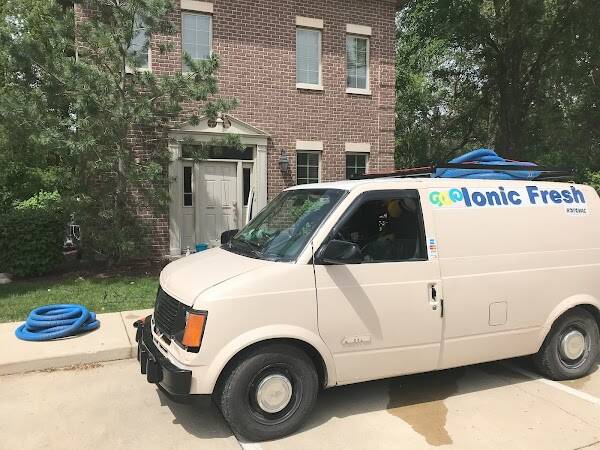
Ionic Fresh
Why: Strongest review activity in the last 90 days, with 107+ reviews.

Feldco Windows, Siding, Doors & Roofing of South Bend
Why: Specialist with a long local track record.
All Mold Remediation contractors in Indiana
Mold Remediation contractors in other Indiana cities
- Anderson
- Bloomington
- Carmel
- Elkhart
- Evansville
- Fishers
- Fort Wayne
- Gary
- Greenwood
- Hammond
- Indpls
- Kokomo
- Lafayette
- Muncie
- Noblesville
- Terre Haute

