
Understanding Mold Services in New Orleans: A Homeowner’s Guide
How do storm surge and prolonged outages influence mold and roof risks in New Orleans
New Orleans is no stranger to the challenges posed by storm surges, thanks to its location along the Gulf Coast. When a storm surge occurs, floodwaters can infiltrate homes, seeping into walls, floors, and other structures. This moisture creates the perfect breeding ground for mold if not properly addressed. Additionally, prolonged power outages during these events impede the use of dehumidifiers and air conditioning systems, allowing humidity levels to spike. High humidity, coupled with warm temperatures, can worsen the mold situation. Furthermore, the unique architecture of New Orleans, with its historic homes often featuring crawl spaces and attics, can experience roof leaks during heavy rain, further exacerbating the risk of mold growth. Homeowners must act quickly to dry out their homes and repair any roof damage to mitigate these risks.
How common are vinyl wallcovering traps and PTAC sweating in New Orleans hotels and multifamily?
In New Orleans, the hospitality and multifamily housing sectors often rely on vinyl wallcoverings for their durability and aesthetic appeal. However, these wallcoverings can trap moisture, especially in the humid climate of the region. When moisture becomes trapped, it can lead to mold growth behind the walls, which can be difficult to detect until it becomes a serious problem. Additionally, PTAC (Packaged Terminal Air Conditioner) units are commonly used in these settings for their space-saving design. However, when these units operate in high humidity conditions, they can experience condensation or “sweating,” which can contribute to moisture issues. Regular maintenance and monitoring of these systems are essential to prevent the aggravation of mold problems in these environments.
How does an undersized AC lead to high indoor humidity in New Orleans?
Air conditioning systems in New Orleans face the formidable task of managing both temperature and humidity. An undersized AC unit struggles to cool a home effectively, running continuously without achieving the desired temperature. This constant operation can lead to insufficient dehumidification, as the system doesn’t cycle off often enough to allow moisture to be properly removed from the air. In New Orleans, where outdoor humidity levels are notoriously high, this can result in an uncomfortable indoor environment with elevated humidity. High indoor humidity is not just a discomfort issue; it can also promote the growth of mold and mildew. Homeowners should ensure their AC units are appropriately sized and functioning efficiently to maintain optimal indoor air quality.
Why do vacant or intermittently occupied New Orleans homes develop mold
In New Orleans, homes that are vacant or only occasionally occupied present a unique set of challenges when it comes to mold prevention. Without regular ventilation and climate control, these homes can become hotbeds for moisture accumulation. The city’s high humidity levels, combined with the lack of airflow, create an environment where mold can thrive. Moreover, without regular checks, minor issues such as leaks or condensation can go unnoticed and unaddressed, leading to significant mold infestations. Homeowners who own such properties should consider periodic inspections, maintaining a baseline level of climate control, and addressing any water intrusion issues promptly to prevent mold growth. Additionally, using smart home technology to monitor humidity levels remotely can be a proactive step in managing the risk.
Top Rated Mold Remediation Contractors in New Orleans
Based on verified ratings, recent review activity and license standing. How we pick
 +3 photos
Londot Design Build
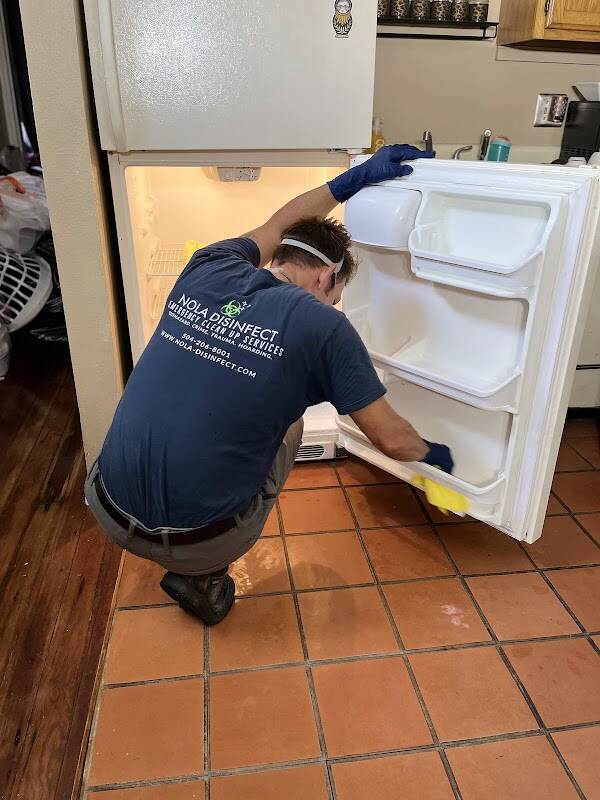
Nola Disinfect Crime Scene & Emergency Clean Up Services
Why: Strongest review activity in the last 90 days.
SERVPRO of New Orleans Uptown & Mid-City
Why: Specialist with a long local track record.
All Mold Remediation contractors in Louisiana

