
Your Essential Guide to Mold Services in New Bedford, Massachusetts
How do freeze–thaw cycles lead to mold around windows and rooflines in New Bedford?
In New Bedford, the climate is characterized by cold winters and fluctuating temperatures, which can lead to freeze–thaw cycles. These cycles occur when water from rain or snowmelt seeps into cracks around windows and rooflines, then freezes and expands. As the ice melts, it contracts, creating larger gaps and allowing even more moisture to penetrate the building materials. This cycle can cause significant damage to older homes, which are plentiful in New Bedford, where many houses were built decades ago without modern moisture barriers. When moisture becomes trapped, it creates an ideal environment for mold growth. Regular maintenance, such as sealing gaps and improving insulation, can help mitigate these issues. Homeowners should also consider periodic inspections, especially after harsh winters, to address any emerging problems before they escalate.
How does duct leakage import humid air from attics in New Bedford?
Many homes in New Bedford have ductwork running through attics, which can be problematic if the ducts are not properly sealed. Any leakage in these ducts can draw humid, unconditioned air from the attic into the living spaces. This is particularly concerning during the summer months when humidity levels are higher. The extra moisture introduced by duct leaks can condense on cooler surfaces within the home, providing a breeding ground for mold. To prevent this, homeowners should regularly inspect and seal their ductwork, ensuring all connections are tight and insulated. Additionally, maintaining proper attic ventilation can help by reducing the humidity levels in the attic space itself. Engaging professional services for a thorough duct inspection and sealing can offer peace of mind and help maintain a healthier indoor environment.
What quick diagnostic tools help find root causes in New Bedford?
Homeowners in New Bedford have access to several diagnostic tools that can help identify root causes of mold issues efficiently. Moisture meters are invaluable for detecting hidden moisture within walls and ceilings, providing a clear indication of areas at risk for mold growth. Infrared cameras are another effective tool, allowing homeowners to visualize temperature variations that may indicate moisture intrusion, such as around windows or rooflines. Additionally, hygrometers can measure indoor humidity levels, helping to ensure they remain within a safe range. While these tools can be purchased or rented, hiring a professional mold inspector who uses these devices can offer a more comprehensive assessment. Experts can interpret the data accurately and recommend targeted solutions, ensuring that mold issues are addressed efficiently and effectively.
Which exterior finish failures in New Bedford let water in?
In New Bedford, the coastal climate and older housing stock mean that exterior finishes must be diligently maintained to prevent water intrusion. Common issues include failing or cracked siding, deteriorating brick mortar, and aged stucco that can no longer repel water effectively. Over time, these surfaces can develop small openings that allow rainwater to seep into the building envelope. Once inside, this moisture can lead to mold growth, particularly in areas with poor ventilation. Homeowners should conduct regular inspections of their home’s exterior, paying close attention to signs of wear or damage. Prompt repairs and resealing can prevent moisture from entering the home. For historic homes, which are prevalent in New Bedford, it’s also important to use compatible materials and techniques when making repairs to maintain both the integrity and appearance of the structure.
How can I keep mold from returning long-term in New Bedford?
Preventing the return of mold in New Bedford requires a multi-faceted approach focused on moisture control and regular maintenance. Key strategies include maintaining a consistent indoor humidity level, ideally between 30% and 50%, to inhibit mold growth. Installing dehumidifiers and ensuring proper ventilation in high-moisture areas like bathrooms and kitchens can be particularly effective. Regularly checking and repairing roof, window, and plumbing leaks is crucial, as is ensuring that gutters and downspouts direct water away from the foundation. For homes with basements, waterproofing measures can be essential, given New Bedford’s occasional heavy rains. Engaging in preventive maintenance and being proactive about addressing potential issues can significantly reduce the risk of mold returning, safeguarding both the health of your home and its occupants.
Top Rated Mold Remediation Contractors in New Bedford
Based on verified ratings, recent review activity and license standing. How we pick
 +3 photos
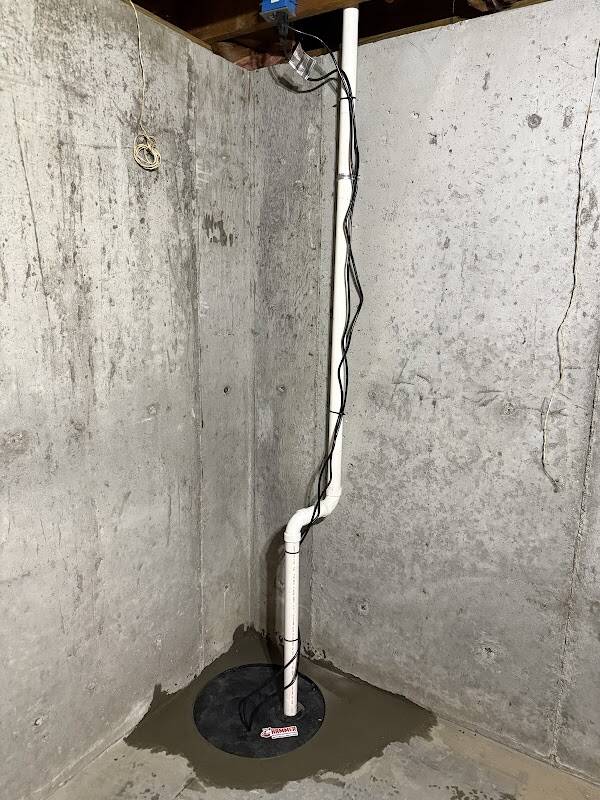
Hammer Basement Waterproofing
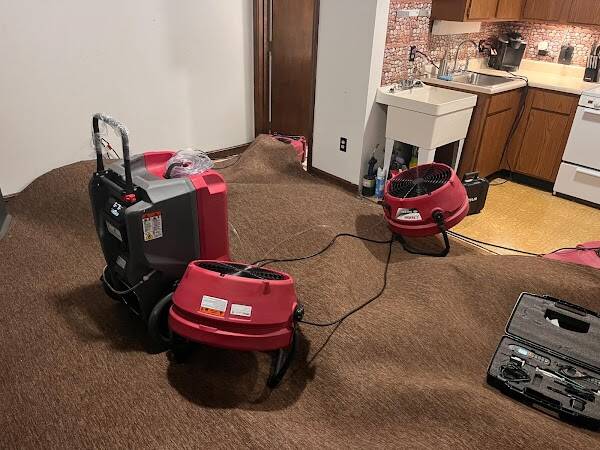
PuroClean of New Bedford
Why: Strongest review activity in the last 90 days.

Freedom Cleaning, LLC
Why: Specialist with a long local track record.
All Mold Remediation contractors in Massachusetts
Mold Remediation contractors in other Massachusetts cities
- Newton
- Medford
- North Chicopee
- Malden
- Quincy
- Lynn
- Somerville
- Lowell
- South Boston
- Lawrence
- Springfield
- Haverhill
- Taunton
- Framingham
- Waltham
- Framingham Center
- Worcester
- Fall River
- Boston
- Dorchester

