
Your Essential Guide to Mold Services for Detroit Homeowners
Which basement seepage and clay soils drive moisture issues in older Detroit homes
Detroit, known for its rich history and beautiful architecture, has many homes built during the early to mid-20th century. These older homes often have basements prone to seepage, largely due to the region’s characteristic clay soils. Clay has the tendency to expand and contract with moisture levels, exerting pressure on basement walls and creating cracks through which water can seep. This seepage is exacerbated during Detroit’s rainy seasons, leading to persistent moisture issues that can easily foster mold growth. Homeowners in Detroit must be particularly vigilant about these conditions, regularly inspecting basement walls and employing effective waterproofing methods to mitigate moisture intrusion.
How do capillary breaks under slabs help Detroit houses avoid chronic dampness?
Capillary breaks are essential in preventing chronic dampness in Detroit homes, especially given the city’s high water table and frequent precipitation. A capillary break is a layer that disrupts the upward movement of moisture from the soil into the concrete slab, effectively acting as a barrier. In Detroit, where the climate can be quite humid and wet, installing a capillary break under slabs is a proactive measure. This is particularly important for homes with unfinished basements or those built on slabs, as it prevents moisture from wicking up through the foundation. By interrupting this moisture path, homeowners can significantly reduce the risk of mold, protect their interiors, and ensure a healthier living environment.
Why does high indoor humidity support mold in Detroit, and which surfaces show it first?
Detroit’s climate, with its humid summers, creates an ideal environment for high indoor humidity levels, which are conducive to mold growth. When humidity levels exceed 60%, mold spores, which are naturally present in the air, can easily settle and multiply. In Detroit homes, surfaces like bathroom tiles, kitchen walls, and basement corners often show the first signs of mold, as these areas frequently experience higher moisture levels. Poor ventilation in these spaces can exacerbate the problem, allowing humidity to linger and mold to flourish. Homeowners should ensure proper ventilation and use dehumidifiers to maintain indoor humidity at a safe level, preventing mold from taking hold.
How do riverine or flash floods spark mold in Detroit
Detroit’s proximity to the Detroit River and its susceptibility to flash floods can lead to severe flooding, which is a significant catalyst for mold growth. When heavy rains occur, riverbanks can overflow, and city drainage systems may be overwhelmed, leading to water infiltration in homes. This sudden influx of water can saturate building materials, providing the perfect breeding ground for mold. After such events, it’s crucial for homeowners to act quickly in drying out affected areas to prevent mold from establishing. Failure to promptly and thoroughly dry out spaces can result in extensive mold proliferation, compromising both the structural integrity of the home and the health of its occupants. Engaging professional mold remediation services after flooding is often necessary to ensure complete mold removal and to restore a safe living environment.
Top Rated Mold Remediation Contractors in Detroit
Based on verified ratings, recent review activity and license standing. How we pick
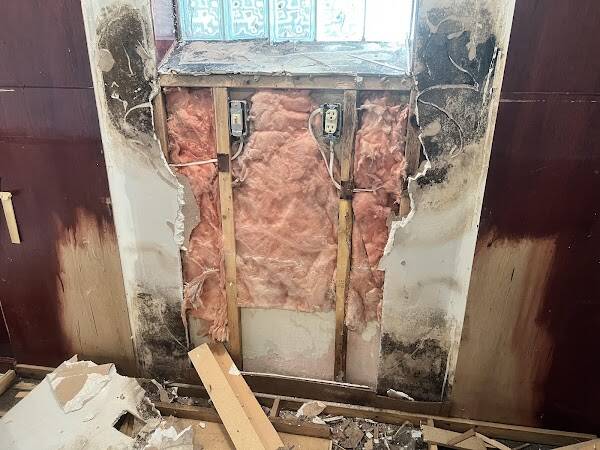 +3 photos
Micronix Mold & Trauma Services LLC
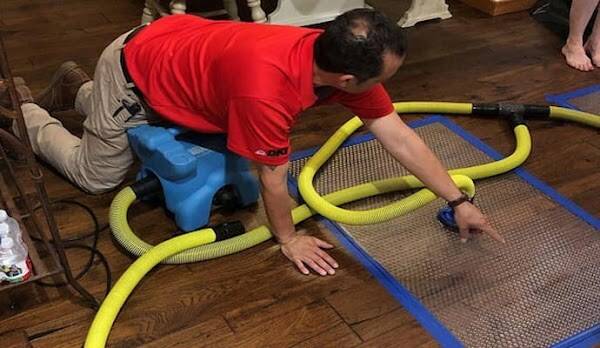
Bentley Cleanup
Why: Strongest review activity in the last 90 days.
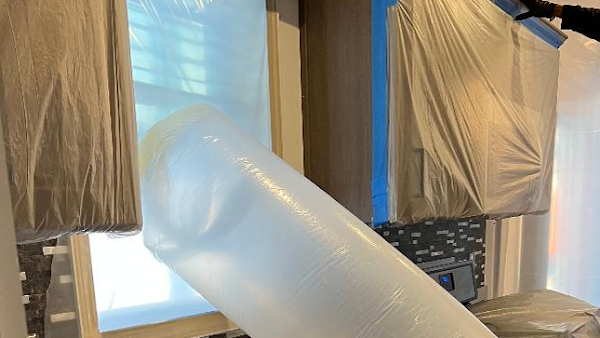
First Hand Restoration, LLC
Why: Specialist with a long local track record.
All Mold Remediation contractors in Michigan
Mold Remediation contractors in other Michigan cities
- Farmington Hills
- Dearborn
- Flint
- Charter Township of Clinton
- Grand Rapids
- Canton
- Kalamazoo
- Ann Arbor
- Lansing
- Wyoming
- Livonia
- Westland
- Pontiac
- West Bloomfield
- Rochester Hills
- Waterford
- Royal Oak
- Warren
- Shelby
- Troy

