
Your Essential Guide to Mold Services in Bozeman, Montana
Which window, roof, and balcony details reduce cold-corner condensation in Bozeman?
In Bozeman, Montana, homeowners often face the challenge of cold-corner condensation, a phenomenon particularly prevalent during the chilly winters. The construction and design of windows, roofs, and balconies can significantly impact this issue. Double-glazed windows with thermal breaks play a crucial role in minimizing condensation. These windows not only provide better insulation but also reduce temperature differentials that lead to moisture build-up. Roofs with adequate overhangs help channel rainwater away from the structure, preventing moisture intrusion. Additionally, properly sealed and insulated balconies prevent water from seeping into walls, which can further exacerbate condensation problems. Homeowners should also consider using vapor barriers and ensuring that roof and balcony flashings are intact and well-maintained. These features collectively help in reducing cold-corner condensation and maintaining a healthier indoor environment.
Where does condensation typically appear in Bozeman homes?
In Bozeman homes, condensation is most commonly found on windows, in corners of exterior walls, and on uninsulated pipes. The city’s cold winters and varied architecture, from historic homes to modern builds, mean that condensation can appear in different places depending on the home’s construction. Older homes, often with less insulation, may experience condensation around windows and in poorly ventilated areas like basements or attics. Modern homes, while better insulated, can still experience condensation if the humidity level inside is not well-managed. Bathrooms and kitchens are particularly prone to condensation due to the high levels of moisture generated in these areas. Homeowners should be vigilant about checking these common areas for signs of moisture build-up, which can, if left unchecked, lead to mold growth.
What quick diagnostic tools help find root causes in Bozeman?
Homeowners in Bozeman looking to diagnose the root causes of mold and moisture issues have several effective tools at their disposal. One useful tool is a hygrometer, which measures the indoor humidity levels and helps identify if the air is too moist, a common precursor to mold. Thermal imaging cameras are also invaluable in detecting cold spots and hidden moisture within walls, ceilings, and floors, which may not be visible to the naked eye. Moisture meters can be employed to measure the moisture content in building materials, helping to pinpoint areas where water intrusion may be occurring. For more comprehensive evaluations, hiring a professional with advanced diagnostic tools like infrared cameras and borescopes can provide a deeper insight into hard-to-reach areas. These tools collectively aid in identifying and addressing the root causes of mold, ensuring the effectiveness of any remediation efforts.
Which exterior finish failures in Bozeman let water in?
In Bozeman, the exterior finishes of homes are often put to the test by the region’s varied weather conditions, which can lead to water intrusion if not properly maintained. Common failures include cracked or deteriorating caulking around windows and doors, which can allow rainwater to seep into the structure. Siding materials, such as wood or vinyl, may warp or crack over time, creating gaps that let moisture penetrate. The harsh freeze-thaw cycles typical of Bozeman winters can exacerbate these issues, leading to further damage. Roofs are another critical area where missing or damaged shingles can permit water entry, especially during heavy snowmelt or rainstorms. Flashing around chimneys and vents can also fail, allowing water to penetrate these vulnerable points. Regular inspection and maintenance of these exterior elements are vital to preventing water intrusion and the subsequent risk of mold development.
Why does high indoor humidity support mold in Bozeman, and which surfaces show it first?
High indoor humidity is a significant contributor to mold growth in Bozeman homes, as it creates an environment where mold spores can thrive. This is particularly true during the winter months, when homes are often sealed tightly to conserve heat, inadvertently trapping moisture inside. High humidity levels provide the perfect conditions for mold to grow on various surfaces, often starting in areas that are both cool and damp. Surfaces such as window sills, basements, and the backs of closets are typically the first to show signs of mold. Bathrooms and kitchens, where steam and water usage are frequent, are also prime locations for mold to develop. To prevent mold growth, it’s important for homeowners to monitor and manage indoor humidity levels, ensuring they remain below 60%. This can be achieved through proper ventilation, use of dehumidifiers, and addressing any leaks or sources of moisture promptly.
Top Rated Mold Remediation Contractors in Bozeman
Based on verified ratings, recent review activity and license standing. How we pick
 +3 photos
T-Birds Boot fitting
Blasting Technologies (BTi Log Home Care)
Why: Strongest review activity in the last 90 days.
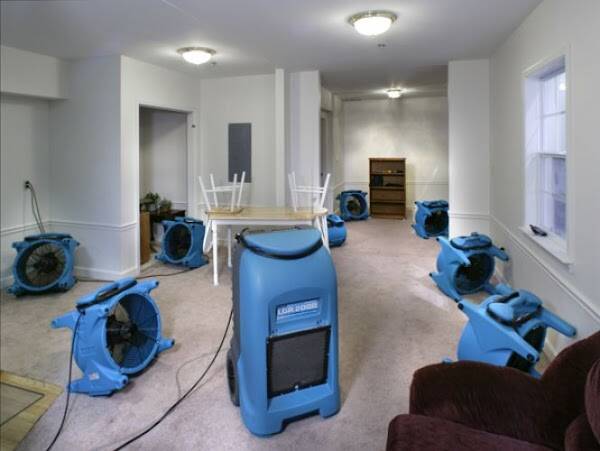
ServiceMaster Restoration by Big Sky – Bozeman
Why: Specialist with a long local track record.
All Mold Remediation contractors in Montana

