
Your Essential Guide to Mold Services in Toms River, NJ
What capillary rise issues affect stone/brick basements in Toms River?
In Toms River, the presence of older homes with stone or brick basements can lead to specific challenges related to capillary rise. This phenomenon occurs when moisture from the ground is absorbed by the porous materials of the basement, moving upwards through capillary action. Given that Toms River experiences a significant amount of rainfall throughout the year, these homes are particularly susceptible to moisture problems. The constant exposure to moisture can lead to dampness and eventually mold growth if not addressed. Stone and brick are naturally porous, allowing water to wick upwards, which can cause structural issues over time. Homeowners need to be vigilant about sealing and waterproofing these surfaces to prevent moisture intrusion. Regular inspections by qualified professionals can help identify any potential issues before they become significant problems.
Why does high indoor humidity drive mold in Toms River, and which surfaces show it first?
The humid subtropical climate of Toms River, characterized by hot, humid summers, creates an environment ripe for mold growth. High indoor humidity levels can accelerate mold proliferation, especially when combined with inadequate ventilation. Mold tends to first appear on surfaces that retain moisture easily, such as bathroom tiles, kitchen sinks, and around window sills. In homes where air conditioning is used extensively to combat the summer heat, condensation can also form on ducts and vents, providing a breeding ground for mold. Homeowners should invest in dehumidifiers and ensure proper ventilation to mitigate these conditions. Regular cleaning and monitoring of high-risk areas can help prevent mold from taking hold.
Where does condensation typically appear in Toms River homes?
Condensation is a common issue in Toms River homes, especially during the transition months when temperatures fluctuate widely between day and night. It typically forms on windows, where the cool glass meets the warm, humid indoor air, creating droplets. This can also occur on uninsulated walls and ceilings, particularly in attics and basements where temperature differences are more pronounced. In older homes, single-pane windows and poorly insulated walls can exacerbate the problem, as they are less effective at maintaining consistent indoor temperatures. Homeowners should consider upgrading to double-pane windows and improving insulation to reduce condensation risks. Additionally, ensuring proper ventilation in moisture-prone areas can help keep indoor air dry and prevent condensation from forming.
What should I expect from clearance testing and documentation in Toms River?
After mold remediation in Toms River, clearance testing is a critical step to ensure the effectiveness of the treatment. This process involves an inspection and air sampling by a qualified professional to verify that mold levels have been reduced to safe, acceptable levels. Documentation is an important part of this process, providing a detailed record of the work performed and the results of the clearance tests. Homeowners can expect a comprehensive report that includes visual inspection findings, air quality measurements, and any recommendations for further action. For those seeking mold services, comparing licensed contractors in the area through resources like American Home Quotes (AHQ) can help identify reputable service providers. This ensures that the clearance testing is performed to a high standard, giving homeowners peace of mind.
Which exterior finish failures in Toms River let water in?
In Toms River, the climatic conditions can lead to wear and tear on exterior finishes, potentially allowing water intrusion. Common failures include cracked or missing siding, deteriorating brick mortar, and improperly sealed windows or doors. With the town’s proximity to the coast, salt air can also contribute to the accelerated degradation of building materials, particularly wood and metal. These vulnerabilities can lead to leaks and water damage inside the home, creating conditions conducive to mold growth. Homeowners should regularly inspect and maintain their home’s exterior, addressing any visible damage promptly. Hiring a professional to assess and repair exterior finishes can help prevent water from penetrating the building envelope, protecting the home’s structural integrity and indoor air quality.
Top Rated Mold Remediation Contractors in Toms River
Based on verified ratings, recent review activity and license standing. How we pick
 +3 photos
PuroClean of Toms River
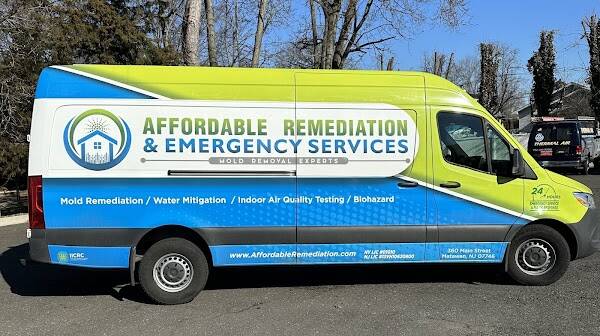
Affordable Remediation & Emergency Services
Why: Strongest review activity in the last 90 days.
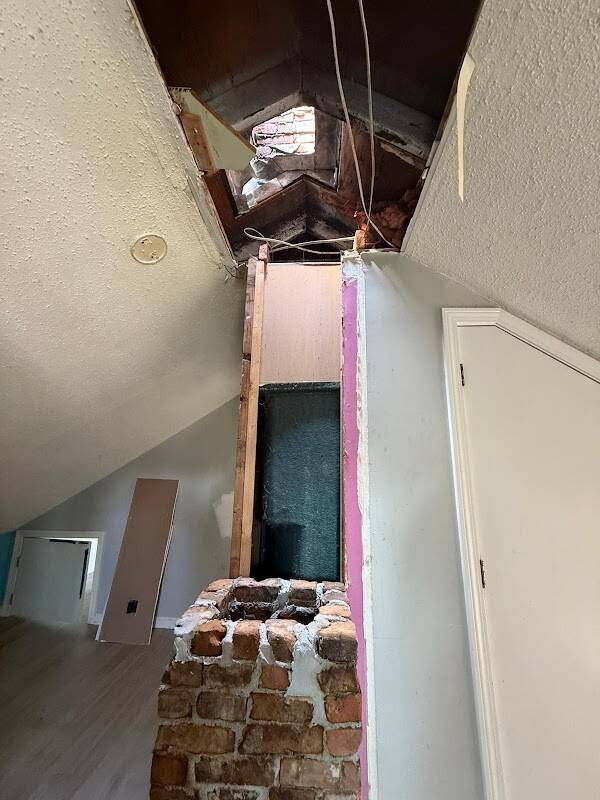
Blue Zone Mold Property Inspections
Why: Specialist with a long local track record.
All Mold Remediation contractors in New Jersey
Mold Remediation contractors in other New Jersey cities
- Trenton
- South Vineland
- Union City
- Piscataway
- Union
- Paterson
- Vineland
- Passaic
- Wayne
- North Bergen
- Bayonne
- Newark
- Camden
- New Brunswick
- Cherry Hill
- Middletown
- Clifton
- Lakewood
- East Orange
- Jersey City

