
Your Essential Guide to Mold Services in Hillsboro, Oregon
Which rain-screen and back-ventilated siding details reduce wet walls in Hillsboro?
In Hillsboro, Oregon, known for its lush greenery and frequent rainfall, selecting the right rain-screen and back-ventilated siding is crucial to preventing mold growth. Given the city’s climate, which includes an average of over 150 days of precipitation annually, incorporating a rain-screen system in your home can significantly reduce moisture accumulation. Rain-screens create a gap between the siding and the building’s exterior wall, allowing air to circulate and moisture to evaporate before it penetrates the wall. Materials such as fiber cement or treated wood, common in Hillsboro’s craftsman-style homes, work well in these systems. Additionally, ensuring proper flashing and drainage planes can further protect against water intrusion. By implementing these details, homeowners can effectively mitigate wet walls and the subsequent mold issues that may arise from Hillsboro’s damp conditions.
How does negative building pressure suck moist air into Hillsboro homes?
Negative building pressure can be a significant issue for Hillsboro homeowners, especially during the cooler months. This phenomenon occurs when the pressure inside your home is lower than outside, causing moist outdoor air to be pulled inside. Hillsboro’s architecture, often featuring older homes with less efficient sealing, can exacerbate this problem. When warm, humid air enters the home, it can condense on cooler surfaces, leading to increased moisture levels and potential mold growth. Poor ventilation and the use of exhaust fans without proper make-up air can further contribute to negative pressure. To combat this, homeowners should ensure their homes are well-sealed and adequately ventilated to balance the indoor and outdoor air pressure, thus reducing the chances of mold-inducing moisture infiltration.
What should Hillsboro homeowners do first after storms or flooding events to limit mold?
After a storm or flooding event, Hillsboro homeowners should act swiftly to minimize mold growth. The first step is to ensure safety by turning off electrical power if water is present. Once safe to proceed, remove standing water using pumps or wet vacuums and dry out the area as quickly as possible with fans and dehumidifiers. Given Hillsboro’s frequent precipitation, it’s important to check for leaks or water damage in less obvious areas, such as basements or crawl spaces, which are common in local homes. Removing soaked materials like carpets and drywall that can’t be dried thoroughly is essential to prevent mold spores from taking hold. Acting within 24 to 48 hours is critical to effectively curbing mold development in this moist climate.
How do seasonal shifts drive mold in Hillsboro?
Seasonal changes in Hillsboro have a significant impact on mold growth, particularly due to the city’s wet winters and mild, humid summers. During the winter months, increased rainfall and higher humidity levels can lead to moisture build-up in homes, especially those with older construction that may lack modern moisture barriers. This moisture, combined with cooler temperatures, provides an ideal environment for mold spores to thrive. As seasons shift into spring and summer, warmer temperatures combined with high humidity levels can perpetuate mold issues, as moisture trapped during the winter begins to evaporate and circulate within the home. Homeowners should be vigilant about maintaining proper ventilation and humidity control throughout the year to manage these seasonal impacts effectively, thereby reducing the risk of mold in their living spaces.
Top Rated Mold Remediation Contractors in Hillsboro
Based on verified ratings, recent review activity and license standing. How we pick
 +3 photos
Accuracy Property
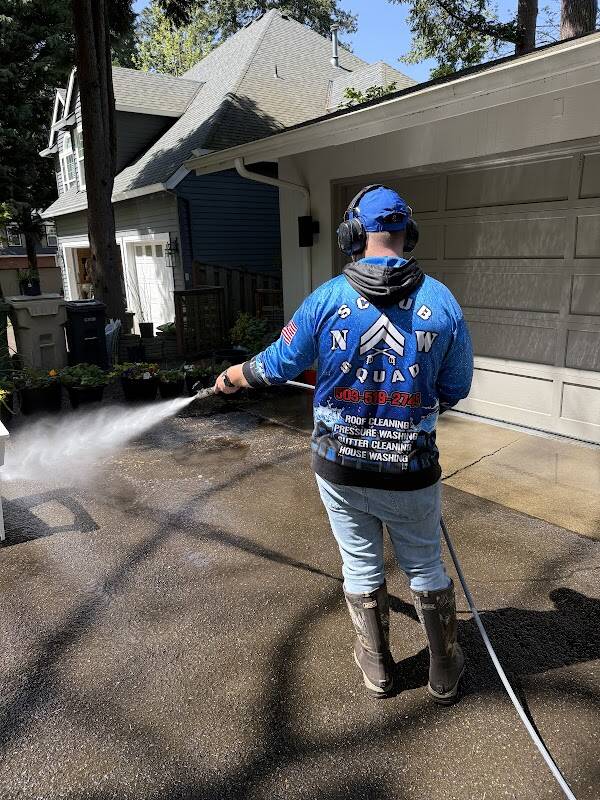
NW Scrub Squad
Why: Strongest review activity in the last 90 days.
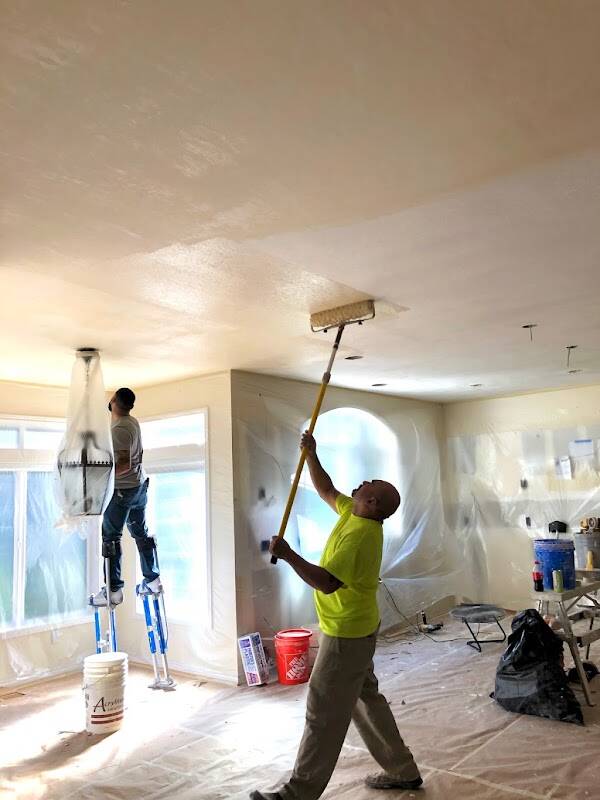
Angels Mission Drywall, LLC
Why: Specialist with a long local track record.
All Mold Remediation contractors in Oregon

