
Your Essential Guide to Mold Services in Lancaster, Pennsylvania
What capillary rise issues affect stone/brick basements in Lancaster?
In Lancaster, many homes boast charming stone or brick basements, reflective of the area’s rich historical architecture. However, these materials are particularly susceptible to capillary rise, a phenomenon where moisture from the ground is drawn up through porous materials. This is especially prevalent in older homes, which are abundant in Lancaster, where original construction practices might not have included modern waterproofing techniques. The capillary rise can lead to damp walls and floors, creating ideal conditions for mold growth. Homeowners often notice a musty odor or see discoloration on walls as early signs of this issue. Addressing capillary rise typically requires professional intervention, including the installation of moisture barriers and improved drainage systems to protect the basement environment from persistent dampness.
What plumbing failures often start mold problems in Lancaster?
Plumbing failures are a common precursor to mold issues in Lancaster homes. Given the city’s aging infrastructure, older plumbing systems can be prone to leaks and bursts, particularly during freezing winter months. A minor leak under a sink or a slow-draining pipe can go unnoticed for weeks, providing a continuous source of moisture that encourages mold growth. In Lancaster, where many homes were built before the 1980s, older plumbing materials like galvanized steel and cast iron are more likely to corrode and fail. Homeowners should be vigilant about inspecting plumbing fixtures and addressing any signs of water intrusion immediately to prevent mold from taking root and spreading.
Where does condensation typically appear in Lancaster homes?
Condensation is a subtle yet significant contributor to mold issues in Lancaster homes. It frequently appears on windows, especially in winter when warm indoor air meets cold glass surfaces. This is exacerbated in Lancaster due to its humid summers and chilly winters, which create fluctuating indoor climates. Condensation can also be found on uninsulated pipes and walls, particularly in basements and attics. These areas often lack adequate ventilation, allowing moisture to accumulate unnoticed. Homeowners should regularly check these common areas for signs of water accumulation and consider improving ventilation or installing dehumidifiers to mitigate the risk of mold developing in these vulnerable spots.
How can I keep mold from returning long-term in Lancaster?
Preventing mold from making a return visit in Lancaster requires a proactive and comprehensive approach. Given the city’s varied climate, controlling indoor humidity is crucial. This can be achieved through the use of dehumidifiers and ensuring proper ventilation in bathrooms, kitchens, and basements. Regular maintenance of HVAC systems is also essential, as these systems can inadvertently spread mold spores if filters are not changed regularly. Homeowners should also focus on waterproofing basements and repairing any leaks immediately. Since many homes in Lancaster are older, it’s wise to inspect and upgrade insulation and window seals to prevent moisture ingress during rainy seasons. Consistent monitoring and maintenance are key to keeping mold at bay and ensuring the home remains healthy and safe.
Why does high indoor humidity support mold in Lancaster, and which surfaces show it first?
Lancaster’s climate, with its humid summers, often leads to elevated indoor humidity levels that are conducive to mold growth. Mold thrives in environments where moisture is consistently present, and in Lancaster, this is particularly true during the hotter months when homes can trap humidity. The first surfaces to show signs of mold are typically those that are cool and poorly ventilated. This includes bathroom tiles, basement walls, and areas around windows where condensation is common. The presence of mold is usually indicated by dark spots or a persistent musty smell. Managing indoor humidity through proper ventilation, the use of air conditioners, and regular maintenance checks can significantly reduce the risk of mold establishing itself in these vulnerable areas.
Top Rated Mold Remediation Contractors in Lancaster
Based on verified ratings, recent review activity and license standing. How we pick
 +3 photos
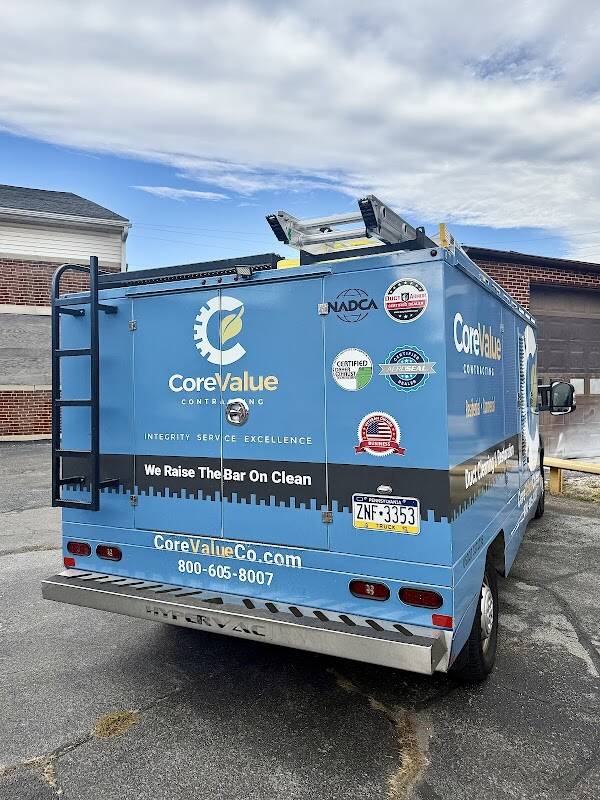
Core Value Duct Cleaning & Restoration
Miller The Artist Of Paint
Why: Strongest review activity in the last 90 days.

Nighthawk Inspection Group
Why: Specialist with a long local track record.
All Mold Remediation contractors in Pennsylvania
Mold Remediation contractors in other Pennsylvania cities
- Abington
- Allentown
- Bensalem
- Bethlehem
- Center City
- Erie
- Harrisburg
- Levittown
- Philadelphia
- Pittsburgh
- Reading
- Scranton

