
Your Comprehensive Guide to Mold Services in Austin, Texas
How do summer heat and sudden downpours shape roof material choices in Austin?
The unique climate of Austin, characterized by its intense summer heat and unexpected downpours, plays a significant role in influencing roofing material choices. Homeowners often opt for materials like metal or clay tiles that are capable of withstanding high temperatures and provide excellent durability. These materials not only reflect sunlight, reducing cooling costs, but also offer solid protection against the heavy rains that are common during Texas storms. Asphalt shingles, while popular due to their cost-effectiveness, can sometimes struggle under prolonged heat exposure, leading to quicker degradation. The need for a robust roof is amplified by Austin’s frequent temperature fluctuations, which can stress materials and lead to leaks if not properly maintained. Selecting the right roofing material is crucial in preventing moisture intrusion that can create an environment conducive to mold growth.
How can vinyl wallcoverings trap moisture in Austin multifamily buildings?
Vinyl wallcoverings, while aesthetically pleasing and durable, can be problematic in Austin’s multifamily buildings due to their tendency to trap moisture. In the humid climate of Austin, especially during rainy seasons, moisture can become trapped between the wall and the vinyl. This trapped moisture creates an ideal breeding ground for mold, particularly in poorly ventilated spaces. In multifamily buildings, where air circulation can be restricted by shared walls and limited windows, this issue can be exacerbated. The use of vinyl in bathrooms and kitchens, areas prone to higher humidity, can further increase the risk of mold if not properly managed. It’s essential for building managers and homeowners to ensure adequate ventilation and consider moisture-resistant alternatives or treatments to mitigate these risks.
How do wall/window leaks lead to mold in Austin?
In Austin, wall and window leaks are common culprits in the development of mold within homes. The city’s occasional heavy rainfalls can exploit any weaknesses in a building’s exterior, allowing water to seep in through cracks or improperly sealed windows. Once inside, this moisture can infiltrate walls and insulation, creating a damp environment perfect for mold growth. The problem is often compounded by Austin’s warm climate, which can accelerate mold development. Homeowners should be vigilant about inspecting their homes for leaks, especially after storms, and ensure that windows are properly caulked and sealed. Regular maintenance and prompt repairs are key in preventing these leaks from turning into a costly and health-affecting mold issue.
How can Austin residents use leak sensors and alarms to prevent mold?
Austin residents can proactively prevent mold by utilizing leak sensors and alarms in their homes. These devices are particularly useful in areas susceptible to water leaks, such as basements, under sinks, and near water heaters. In a city like Austin, where sudden downpours can lead to unexpected water intrusion, having a system that alerts homeowners to leaks can be invaluable. Leak sensors can detect even minor water presence and trigger alarms before a small issue becomes a significant mold problem. By integrating these sensors with smart home systems, residents can receive real-time alerts on their smartphones, allowing for quick intervention. This proactive approach not only helps in mold prevention but also contributes to maintaining the structural integrity and value of the property.
Where does hidden growth often occur in Austin homes?
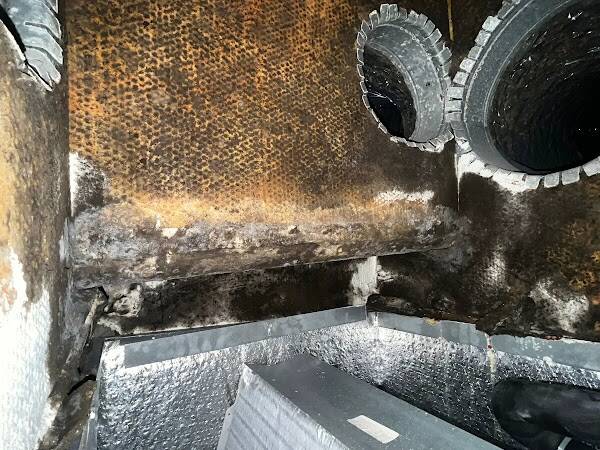
In Austin homes, hidden mold growth frequently occurs in areas that are out of sight and out of mind. Attics and basements, due to their infrequent use and potential for humidity, are prime candidates for mold development. Similarly, HVAC systems, particularly those that aren’t regularly maintained, can harbor moisture and thus mold, spreading spores throughout the home. Leaky pipes within walls or under flooring can also lead to unseen mold growth that can go unnoticed for long periods. Even in well-maintained homes, small leaks and humidity in bathrooms and kitchens can lead to mold behind cabinetry or within walls. Regular inspections and maintenance are critical in these areas to detect and address mold issues before they become significant health hazards.
Top Rated Mold Remediation Contractors in Austin
Based on verified ratings, recent review activity and license standing. How we pick
 +3 photos
Air Central | Air Duct Cleaning Austin

Fidelity Home Inspection, LLC.
Why: Strongest review activity in the last 90 days, with 341+ reviews.
Spaulding Decon Austin
Why: Specialist with a long local track record.
All Mold Remediation contractors in Texas
Mold Remediation contractors in other Texas cities
- Brownsville
- Arlington
- Carrollton
- Amarillo
- Corpus Christi
- Waco
- Dallas
- San Antonio
- El Paso
- Plano
- Fort Worth
- Pasadena
- Frisco
- Midland
- Garland
- Mesquite
- Grand Prairie
- McKinney
- Houston
- McAllen

