
Your Essential Guide to Mold Services in Salt Lake City, Utah
Which high-desert snow and sun practices help Salt Lake City roofing
Salt Lake City’s unique high-desert climate presents a distinctive challenge for homeowners, especially when it comes to roofing. With significant seasonal variations, roofs must endure hot, dry summers and cold, snowy winters. To protect against these extremes, local roofing practices often include the use of high-quality, UV-resistant materials that can withstand intense sunlight. Additionally, proper ventilation is crucial to prevent heat buildup in attic spaces, which can lead to moisture problems and eventual mold growth. Reflective roofing materials are also popular, as they help reduce cooling costs during the hotter months. Regular roof inspections, especially after winter, ensure that any potential damage from snow and ice is promptly addressed, preventing moisture intrusion that could lead to mold. These practices are essential for maintaining the integrity of roofs and safeguarding against mold in Salt Lake City’s variable climate.
How do ice dams and snowmelt create hidden moisture paths in Salt Lake City?
Ice dams are a common concern in Salt Lake City due to its snowy winters and fluctuating temperatures. When heat escapes from a home, it can cause snow on the roof to melt, and as this water runs down, it may refreeze at the edges, forming ice dams. These dams create a barrier that prevents proper drainage of subsequent meltwater, leading to water seeping under shingles and into the home. This trapped moisture can develop into hidden paths, often unnoticed until significant mold growth occurs inside walls or ceilings. Salt Lake City’s homeowners should ensure their homes are well-insulated to prevent heat escape, and that their roofs are properly ventilated to reduce the risk of ice dams. Regular roof maintenance and prompt snow removal are also key strategies to prevent these hidden moisture paths from causing mold issues.
When do flat roofs in Salt Lake City cause mold?
Flat roofs, a common architectural feature in some of Salt Lake City’s older and modern homes, can be particularly susceptible to mold issues. Due to their minimal slope, flat roofs can struggle with effective water drainage, especially during heavy rain or snowmelt. Standing water can easily seep into roofing materials, leading to leaks and moisture buildup. This persistent dampness creates an ideal environment for mold to thrive, often going unnoticed until it has caused extensive damage. To mitigate these risks, Salt Lake City homeowners should prioritize regular roof inspections and maintenance. Ensuring that drainage systems are clear and functioning properly, and addressing any signs of water pooling, can significantly reduce the likelihood of mold problems associated with flat roofs. It’s also advisable to consider installing a slight pitch or additional drainage solutions when possible to facilitate better water runoff.
What quick diagnostic tools help find root causes in Salt Lake City?
For Salt Lake City homeowners facing mold issues, quick and effective diagnostic tools are invaluable in identifying root causes. Moisture meters are a popular choice, allowing homeowners and professionals to detect moisture levels in walls, ceilings, and floors without invasive procedures. Infrared cameras are another powerful tool, helping to visualize temperature differences that may indicate hidden moisture or leaks. These tools are particularly useful in Salt Lake City’s older homes, where the original construction may have vulnerabilities. Additionally, hygrometers can monitor indoor humidity levels, ensuring they remain within a safe range to prevent mold growth. By employing these diagnostic tools, residents can swiftly pinpoint problem areas, enabling timely interventions before mold becomes a more serious issue. Early detection and resolution are crucial in maintaining a healthy home environment in Salt Lake City’s diverse housing landscape.
How do grading, downspouts, and gutters affect mold risk at Salt Lake City foundations
Proper grading, downspouts, and gutter maintenance are essential in managing mold risk for Salt Lake City homes, particularly at the foundation level. Inadequate grading can lead to water pooling around a home’s foundation, increasing the risk of water intrusion and subsequent mold growth in basements or crawl spaces. Downspouts should extend away from the foundation to direct water flow safely away from the home. Gutters, meanwhile, must remain clear of debris to function effectively, especially during the fall when leaves can cause blockages. Given Salt Lake City’s diverse weather patterns, including sudden snowmelt and heavy rains, these systems play a critical role in preventing water-related issues. Regular inspection and maintenance of gutters and downspouts ensure they are capable of handling the local climate’s demands, thereby mitigating potential mold risks at the foundation level. Homeowners should prioritize these tasks to maintain a safe and dry living environment.
Top Rated Mold Remediation Contractors in Salt Lake City
Based on verified ratings, recent review activity and license standing. How we pick
 +3 photos
Mr. Electric of Salt Lake City
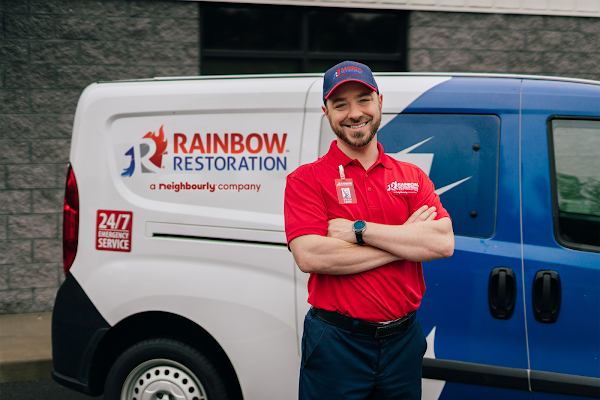
Rainbow Restoration of Park City & Se Salt Lake
Why: Strongest review activity in the last 90 days.
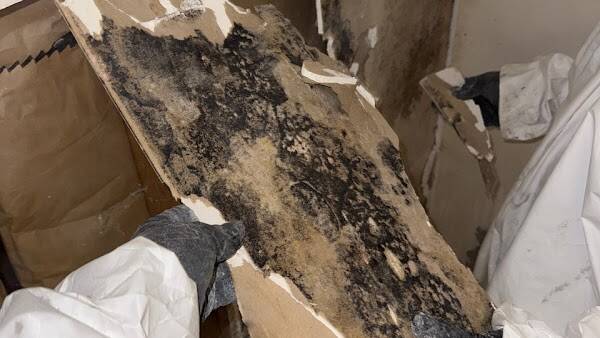
Daytona Restoration | Fire, Meth, Mold, Asbestos, Biohazard Cleanup
Why: Specialist with a long local track record.
All Mold Remediation contractors in Utah
Mold Remediation contractors in other Utah cities
- Layton
- Lehi
- Logan
- Millcreek
- Ogden
- Orem
- Provo
- Sandy Hills
- Sandy
- South Jordan
- St. George
- Taylorsville
- West Jordan
- West Valley City

