
Comprehensive Mold Services Guide for Homeowners in Waukesha, Wisconsin
Which sump and drainage strategies reduce dampness in Waukesha?
Waukesha, with its distinct four-season climate, often experiences heavy rains and snowmelt that can contribute to basement dampness. Homeowners can benefit from a well-designed sump pump system to effectively manage these water challenges. Consider investing in a sump pump with a battery backup to ensure continuous operation during power outages, which are not uncommon during Waukesha’s severe weather events. Additionally, proper drainage around the foundation is crucial. This might involve grading the landscape to direct water away from the house or installing French drains to capture and divert groundwater. By enhancing these systems, homeowners can significantly reduce moisture intrusion, a common precursor to mold growth in the area’s older homes.
Which exterior finish failures in Waukesha let water in?
In Waukesha, homes often feature traditional Midwestern architectural styles, such as Colonial or Craftsman, which can include materials like wood siding, brick, or stucco. Over time, these finishes can deteriorate due to harsh weather conditions, including freeze-thaw cycles in winter. Cracks in brick mortar, peeling paint, or split wood siding can create entry points for water. Stucco can also develop hairline cracks that allow moisture penetration. It’s essential for homeowners to routinely inspect and maintain their exterior finishes, especially before winter, to seal any gaps or repair damage. Unaddressed, these failures can lead to water intrusion and subsequent mold issues within walls.
What should Waukesha homeowners do first after ice-dam events to limit mold?
Ice dams are a common winter problem in Waukesha, where the convergence of snow, warm attics, and freezing temperatures can lead to water backup under shingles. After an ice dam event, homeowners should first carefully remove excess snow from the roof using a roof rake. Safeguarding personal safety by avoiding direct contact with the roof is imperative. Next, inspect the attic for any signs of water intrusion, such as damp insulation or water stains, and address these issues promptly to prevent mold growth. Improving attic ventilation and insulation can also help prevent future ice dams by maintaining a consistent roof temperature. Quick action is essential to minimize moisture exposure and subsequent mold development.
What should a mold inspection or scope of work include in Waukesha?
A thorough mold inspection in Waukesha should begin with a comprehensive visual assessment of the home, particularly in areas prone to moisture, such as basements, attics, and bathrooms. The inspection should identify visible mold, assess moisture levels with appropriate tools, and evaluate potential hidden mold behind walls or under flooring. A detailed scope of work should outline the necessary remediation actions, including containment, removal, cleaning, and prevention strategies. Homeowners can use services like American Home Quotes (AHQ) to compare licensed contractors in the area, ensuring they select a qualified professional to address their mold issues efficiently and effectively. Clear communication and a well-documented plan are vital components of successful mold remediation.
Top Rated Mold Remediation Contractors in Waukesha
Based on verified ratings, recent review activity and license standing. How we pick
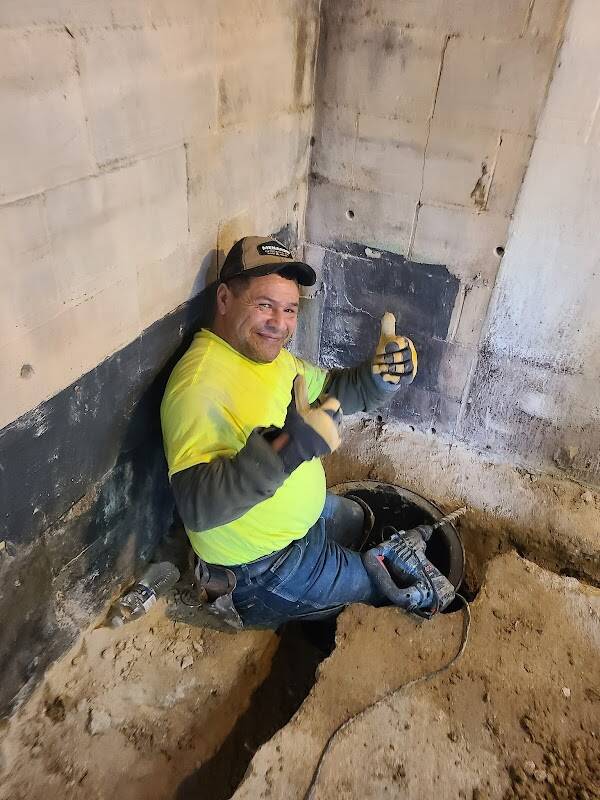 +3 photos
Basement Foundation Repair
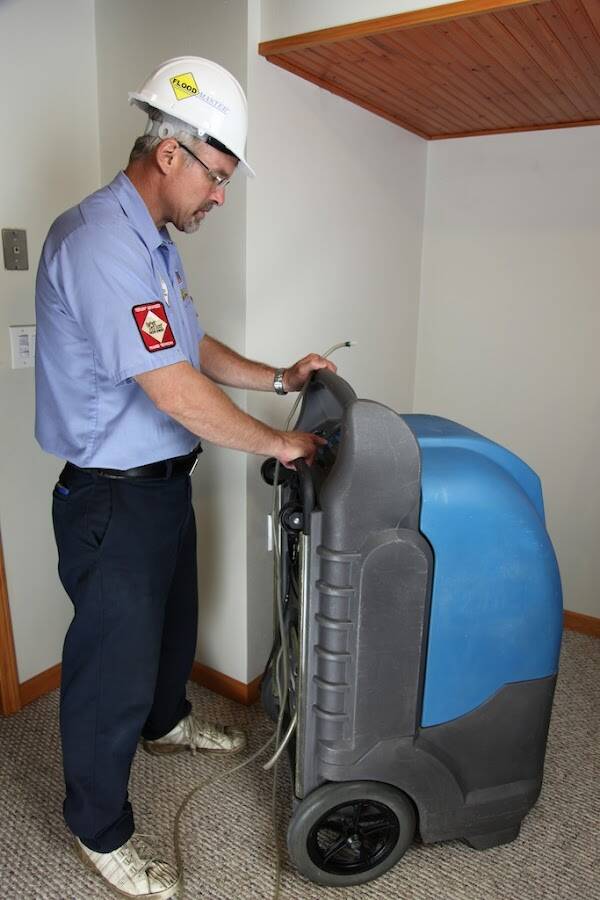
Flood Doctors
Why: Strongest review activity in the last 90 days.
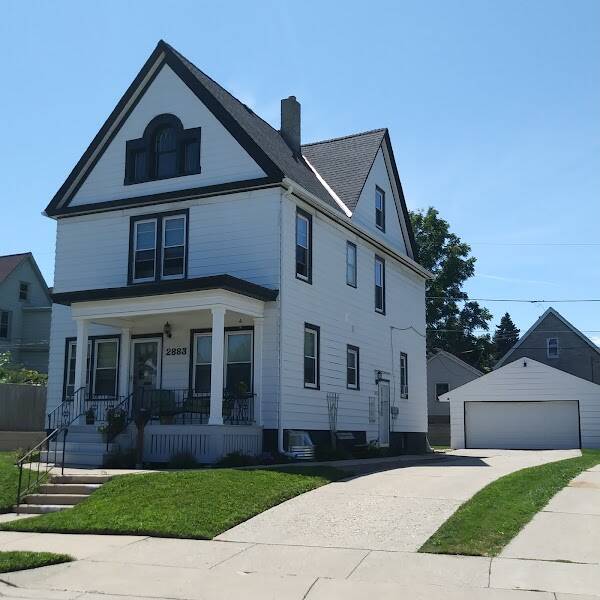
QRS Group
Why: Specialist with a long local track record.
All Mold Remediation contractors in Wisconsin
Mold Remediation contractors in other Wisconsin cities
- Appleton
- Eau Claire
- Green Bay
- Janesville
- Kenosha
- La Crosse
- Madison
- Milwaukee
- North La Crosse
- Oshkosh
- Racine
- West Allis

