PEMBROKE PINES · WATER DAMAGE · UPDATED NOVEMBER 2026
Pembroke Pines water damage restoration, picked for you in one call.
Tell us what happened and your neighborhood. We recommend one licensed local water damage pro who handles that job and connect you on the same call.
Free · No forms · Open 24/7
What's going on?
Tap the closest match. We'll connect you with the right local plumber.
How fast should you call for water damage help in Pembroke Pines?
Call within the first hour. Pembroke Pines sits in FEMA Zone AE across most of its developed footprint, and the subtropical climate with humidity regularly exceeding 70% means mold can begin growing within 24 to 48 hours after water intrusion. A licensed water damage pro will extract standing water, set up industrial dehumidifiers, and document the loss for your insurance claim. Prices checked November 2026.
Plumbing services in Pembroke Pines
- 01
Emergency leaks & burst pipes
Fast response for active leaks, burst pipes and shutoff help.
- 02
Drains & sewer
Clogged drains, sewer backups, hydro-jetting and camera inspections.
- 03
Water heaters
Repair, replacement and heat pump water heater installs.
- 04
Repipes & remodels
Whole-home repipes in copper and PEX, plus remodel rough-in.
- 05
Fixtures & gas
Faucets, toilets, gas line work and permit-required installs.
- 06
Diagnostics & camera inspection
Sewer camera, leak detection and acoustic locating before any repair.
By the numbers
- 62 inchesAverage annual rainfall in Pembroke Pines.RainIndex
- 24 to 48 hoursWindow before mold begins growing in humid conditions.Mold Partners
- Zone AEMost common high-risk flood zone designation in the city.Buildora IQ
- 2 to 4 feetAverage groundwater depth below surface in coastal Broward County.RSP Engineers
Need a water damage pro in Pembroke Pines? One call. One licensed local.
Homeowners: we match you to a vetted local water damage contractor, free.
Homeowner guide · Updated November 10, 2026
Pembroke Pines homeowner guide
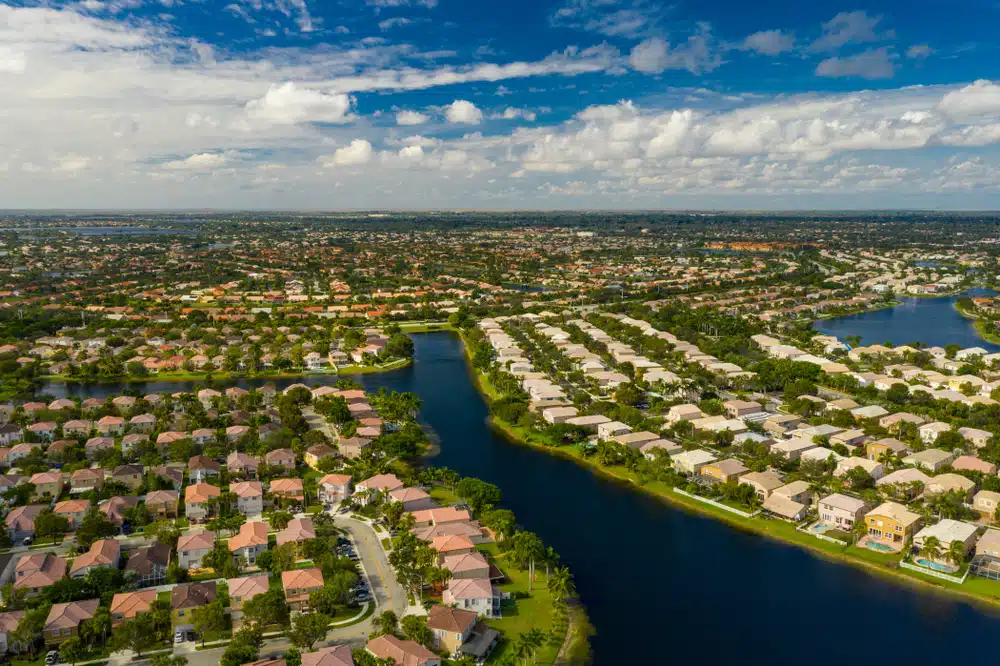
Pembroke Pines sits in FEMA Zone AE across most of its developed footprint, the most common high-risk flood zone designation in the city. With 62 inches of average annual rainfall, humidity regularly exceeding 70%, and groundwater just 2 to 4 feet below surface, water intrusion creates ideal conditions for rapid mold colonization. Hurricane season runs from June 1 to November 30, with most activity between mid-August and mid-October. Homeowners across the state face similar subtropical climate challenges, and many turn to licensed water damage specialists when flooding or leaks occur.
Zone AE flood risk and the 24-48 hour mold window
Pembroke Pines sits inside Zone AE or VE across most of its developed footprint. In 30 years, 16.1% of properties in Pembroke Pines will have risk of flooding, compared to 10.1% currently. Hurricane Wilma in October 2005 impacted 288 properties, and Hurricane Irma in September 2017 impacted 121 properties. Standing water after a storm, roof leaks following hurricane-force winds, and plumbing failures inside older concrete block homes create ideal conditions for rapid mold colonization. Mold can begin growing within 24 to 48 hours in Pembroke Pines' humid climate after water intrusion. A licensed water damage pro will extract standing water, set up industrial dehumidifiers, and document the loss for your insurance claim. If mold is already visible, a Pembroke Pines mold specialist can test and clean up affected areas following IICRC S520 standards.
Hurricane season and storm surge preparation
Hurricane season in Pembroke Pines runs from June 1 to November 30, with most activity between mid-August and mid-October. September 10 is the climatological peak. A 2017 study showed that Pembroke Pines is one of the U.S. cities most at risk from coastal flooding, with about 116,000 residents living in areas that could flood. Broward County has been included in 26 federal flood-related disaster declarations since 2004. If a hurricane causes roof damage that leads to water intrusion, a Pembroke Pines roofing contractor can tarp and repair the roof while a water damage pro dries the interior. Residents can call the City of Pembroke Pines at 954-518-9040 to find which flood zone a property is located in.
Groundwater depth and plumbing failures
In coastal Broward County including Pembroke Pines, the average groundwater depth is 2 to 4 feet below surface. Broward County groundwater ranges from hard to very hard. The City of Pembroke Pines provides water utility service and publishes annual Consumer Confidence Reports on water quality. Plumbing failures inside older concrete block homes are common. If a burst or leaking pipe causes flooding, a Pembroke Pines plumbing contractor can repair the line while a water damage pro extracts standing water and dries affected areas. If an air conditioning condensate leak causes ceiling water damage, a Pembroke Pines HVAC technician can fix the drain line.
Permits, HOA review, and IICRC standards
Structural repairs and water damage restoration work in Pembroke Pines require permits from the City Building Division, though drying and non-structural material removal typically do not. Most Pembroke Pines homes are in HOA-governed communities that require Architectural Review Committee approval before exterior restoration work begins. Emergency water extraction can begin immediately, but visible exterior repairs typically require HOA approval before work starts. All water damage restoration must follow IICRC S500 standards for professional water damage restoration and IICRC S520 standards for mold remediation. Homeowners, call now and we will match you to a licensed local pro.
Serving Pembroke Pines neighborhoods
We dispatch licensed plumbers across these Pembroke Pines neighborhoods:
- Central Pines
- West Pines
- Silver Lakes
- Chapel Trail
- Pembroke Falls
- Isles at Pembroke
- Grand Palms
- Pasadena Lakes
- Pembroke Shores
- Towngate
- Hollybrook
- Century Village
- Flamingo Lakes
- Palm Aire
- Pembroke Lakes
- Sunset Lakes
- Sheridan Park
- Pembroke Isles
- Pembroke Landings
- Country Isles
Frequently asked questions
-
Does it cost anything to call?
No. The call is free and we are paid by the water damage company you are connected to, not by you. -
How do you choose which water damage pro to recommend?
We check that the contractor holds an active Florida license, that general liability insurance is on file, and that the pro handles your specific job and neighborhood. For Pembroke Pines we prefer pros with IICRC certification, experience with Zone AE flood risk, and familiarity with the 24 to 48 hour mold window in subtropical climates. We match you to a pro who understands the city's high-risk flood zone designation, shallow groundwater depth, and HOA architectural review requirements common in most Pembroke Pines communities. -
How fast does mold grow after water damage in Pembroke Pines?
Mold can begin growing within 24 to 48 hours in Pembroke Pines' humid climate after water intrusion. The subtropical climate with humidity levels regularly exceeding 70% creates ideal conditions for rapid mold colonization. Standing water after a storm, roof leaks following hurricane-force winds, and plumbing failures inside older concrete block homes accelerate the timeline. A licensed water damage pro will extract standing water, set up industrial dehumidifiers, and document the loss for your insurance claim. If mold is already visible, a mold specialist can test and clean up affected areas following IICRC S520 standards. -
Do I need a permit for water damage restoration in Pembroke Pines?
Structural repairs and water damage restoration work in Pembroke Pines require permits from the City Building Division, though drying and non-structural material removal typically do not. Most Pembroke Pines homes are in HOA-governed communities that require Architectural Review Committee approval before exterior restoration work begins. Emergency water extraction can begin immediately, but visible exterior repairs typically require HOA approval before work starts. Your water damage pro should pull the permit when the job requires one and coordinate with your HOA if exterior work is needed. -
What flood zone is my Pembroke Pines home in?
Pembroke Pines sits inside Zone AE or VE across most of its developed footprint. Zone AE is the most common high-risk flood zone designation in the city. Residents can call the City of Pembroke Pines at 954-518-9040 and provide a property's address to find which flood zone a property is located in. In 30 years, 16.1% of properties in Pembroke Pines will have risk of flooding, compared to 10.1% currently. A 2017 study showed that Pembroke Pines is one of the U.S. cities most at risk from coastal flooding, with about 116,000 residents living in areas that could flood. -
When is hurricane season in Pembroke Pines?
Hurricane season in Pembroke Pines runs from June 1 to November 30. Most activity falls between mid-August and mid-October, and September 10 is the climatological peak. Hurricane Wilma in October 2005 impacted 288 properties in Pembroke Pines, and Hurricane Irma in September 2017 impacted 121 properties. Broward County has been included in 26 federal flood-related disaster declarations since 2004. If a hurricane causes roof damage that leads to water intrusion, a roofing contractor can tarp and repair the roof while a water damage pro dries the interior. -
Will my number be sold to a bunch of contractors?
No. We connect you with one licensed water damage pro on the same call. Your number is not sold to a list of contractors. We match you to a pro who handles your specific job and neighborhood, then connect you directly. The call is free and we are paid by the water damage company, not by you.
Sources
Need a Pembroke Pines water damage now?
One call. One licensed local pro. Free to you.