Why Is My Ceiling Leaking Water When It Rains?
Ceiling leaks during rain usually start with a breach in roofing materials, not the paint or drywall you see. Missing or cracked shingles allow wind-driven rain to reach the underlayment and nail penetrations. Damaged flashing around chimneys, skylights, and wall intersections is another frequent path for water. Clogged gutters can push rain beneath the shingle edge, saturating fascia and backing water up into the roof deck. In cold climates, ice dams trap meltwater and force it under the roofing surface even on clear days. Inside the attic, insufficient ventilation or bathroom fan exhausts routed there can condense and mimic a roof leak.
Water often travels along rafters, trusses, or drywall seams before it finally drops onto the ceiling. That is why the wet spot rarely aligns perfectly with the exterior entry point. Heavy rain, paired with wind, changes the angle of intrusion and may reveal weaknesses that light rain never exposes. Age also matters, because sealants shrink, pipe boots crack, and fasteners loosen over time. Regular inspections catch small failures early, while timely cleaning prevents debris from forcing water sideways. A smart schedule of routine residential roof maintenance can reduce emergency surprises and extend system life.
How Are Roof Leaks Detected?
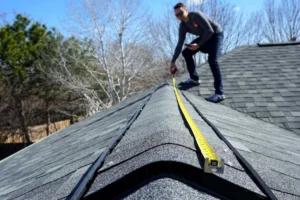
Roof leak detection blends systematic inspection, moisture measurement, and controlled testing to isolate the entry point. Pros start outside, scanning for missing shingles, lifted edges, punctures, failed sealant, and rusted flashing. They check penetrations like vents, chimneys, satellite mounts, and skylight perimeters where water often sneaks in. Inside, the attic tells a story through stained sheathing, rusty nails, damp insulation, and daylight peeking at joints. Thermal cameras can highlight cold, wet zones, while pin and pinless meters quantify moisture to confirm suspicions. When storms prevent exterior work, tarp stabilization and interior containment protect finishes until it is safe.
Controlled hose testing starts low and moves upward to avoid masking the true source. Sections are soaked for several minutes, then the attic or ceiling is monitored for fresh droplets. Dye testing and UV tracers can reveal hidden travel paths in complex assemblies. Technicians document findings with photos and notes to support warranty claims or insurance conversations. If multiple issues exist, they are prioritized by risk, access, and cost, so the most significant leak is resolved first. For broader repairs, homeowners can compare roofing services to align inspection, repair, and follow-up maintenance. The process involves these steps:
- Start outside after rain with binoculars to avoid dangerous climbs.
- Photograph every suspect area before and after temporary stabilization.
- Mark attic drips with painter’s tape to track movement during tests.
- Bag and label wet insulation sections for later drying and mold checks.
- Save meter readings and timestamps to compare moisture reduction over days.
What Is the Permanent Solution for Roof Leakage?
Roof leak detection identifies the failure, but permanence comes from addressing root causes, not just the stain. If a shingle or flashing element is damaged, targeted replacement and resealing often stop intrusion immediately. Where the underlayment has deteriorated, a larger section may need removal from the deck and reinstallation. Around chimneys or walls, metal step flashing and properly lapped counterflashing deliver durable, code-compliant protection. Vent boots should be replaced if cracked, and fasteners should be upgraded or reset with compatible sealant. Insulation saturated beyond salvage must be removed, dried areas disinfected, and ventilation corrected to prevent recurrence.
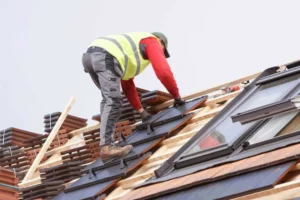
Some roofs reach the end of their service life, showing widespread granule loss, curling, and chronic leaks. In those cases, piecemeal patches merely delay bigger costs and risk interior damage. A scoped replacement with modern underlayments, ice barriers, and proper ventilation delivers a reliable reset. Homeowners comparing bids should see details on materials, flashing sequences, ventilation math, and warranties in writing. For aging systems with recurring issues, professional reroofing often offers the only durable and cost-effective solution. Discuss disposal plans, deck repairs, and site protection so your property stays safe and orderly during work. The contractor will typically follow these steps when undergoing the reroofing process:
- Replace failing pipe boots, step flashing, and sealant with manufacturer-approved parts.
- Upgrade underlayment to ice and water shield in valleys and eaves.
- Improve attic ventilation to meet code and reduce condensation risk.
- Choose shingles or panels rated for your climate and wind zone.
- Get written scope, materials list, and warranty terms from each bidder.
How Long Can You Leave a Leaking Ceiling?
You should not leave an active ceiling leak for more than hours, not days. Water weakens drywall, swells framing, and can overload fasteners until a section collapses without warning. Wet insulation loses R-value and becomes a sponge that feeds mold growth. Electric fixtures and junction boxes near the leak present shock or fire hazards if energized. Active drips can also stain hardwood floors and ruin finishes long before the source is found. Act quickly, but focus on safety first, so you do not create a second emergency.
Contain water with a bucket or pan, and puncture a small hole in the bulging drywall to relieve pressure. Move valuables, roll back rugs, and cover furniture with plastic sheeting. Shut off power to affected lighting circuits at the breaker panel until the area is dry. Ventilate the space with fans and dehumidifiers, and take moisture meter readings to track progress. Photograph damage, save receipts for emergency supplies, and contact your insurer if coverage may apply. Then schedule qualified help promptly, confirming the earliest safe on-site evaluation.
Key Takeaways on Roof Leak Detection
- Ceiling stains rarely align with exterior entry; water travels before dripping.
- Early containment prevents collapse, mold, and electrical hazards in wet zones.
- Visual checks, thermal imaging, meters, and controlled hose tests isolate sources.
- Targeted repairs are effective for localized failures; larger-scale deterioration needs planned replacement.
- Documentation and clear scopes simplify insurance claims and contractor comparisons.
- Routine inspections and timely maintenance extend the life of the roof and reduce the need for emergencies.
- Prioritize safety whenever ceilings bulge or sag.
- Document meter readings and drying progress daily.
Every leak has a cause, and careful investigation turns panic into a clear plan. Use the roof leak detection guidance above to stabilize, verify, and choose repairs that fit your roof’s age and condition. Keep receipts and photos organized to support warranties and insurance conversations.
Need trusted help fast? Connect with local pros through American Home Quotes to compare estimates side by side, with no obligation. Call 1-877-299-0515 or request assistance online; we match your ZIP and project to qualified specialists, confirm availability, and make it simple to schedule. You get clarity, choice, and peace of mind while we handle the legwork.