Timing a remodel is about balancing weather, contractor availability, and your daily routine, not guessing a calendar date. The best time of year to start remodeling depends on the type of project, material lead times, and whether work happens inside or outside, but planning a few months ahead helps you avoid premium pricing, delays, and mid-project disruptions. Professionals build schedules around temperature, humidity, and cure times while coordinating trades so demolition, deliveries, and inspections happen smoothly. That foresight lowers the risk of water intrusion, poor finishes, and warranty issues.
Licensed contractors map critical path tasks, secure permits, and stage materials before work begins, which keeps your home safe and reduces expensive change orders. If your project affects structural elements, electrical, or plumbing, credentialed pros are essential for code compliance and insurance coverage. A brief consultation and site walk can clarify scope, budget ranges, and the most efficient start window for your home. The quickest next step is to compare bids from vetted contractors and choose a crew with the right licenses, insurance, and scheduling capacity to start safely.
What Seasons Are Best for Indoor vs. Outdoor Remodeling?
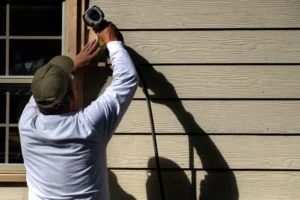
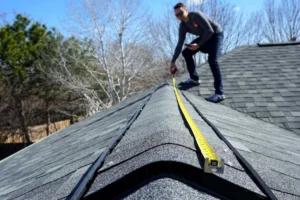
Choosing by season starts with whether crews will be inside conditioned space or exposed to weather. Interior projects such as kitchens, baths, basements, flooring, and home offices can run year-round with proper ventilation and dust control, though many homeowners prefer spring or fall to avoid holiday stress. Exterior work is more sensitive: roofing, siding, window swaps, and decks generally perform best in mild spring and fall temperatures that allow sealants and adhesives to set correctly.
Summer suits exterior painting and staining in many regions, but extreme heat can cause flashing failures, blistering, or rapid-dry lap marks. Winter may slow exterior work in colder climates, yet interior upgrades often move faster because contractors have more open calendars. If your home is in a hurricane, wildfire, or freeze-prone area, shoulder seasons reduce weather risks and insurance complications. When in doubt, ask contractors how temperature and humidity ranges affect your exact materials and finishes.
Professionals schedule work to avoid moisture exposure during tear-offs, secure temporary weather protection, and stage materials to prevent warping or contamination. They also plan trades in the right order so structural, mechanical, and finish work do not conflict, protecting warranties and ensuring inspections pass on the first try. Permit timelines and HOA rules can add weeks, so padding the calendar prevents rushed decisions. Using a vetted matching platform like American Home Quotes saves time by shortlisting licensed, insured pros with relevant experience and reliable timelines.
To build a realistic timeline quickly, compare scopes, seasonal pricing, and lead times across multiple contractors, then hold a kickoff meeting to set milestones. For planning support that aligns phases to your climate and calendar, you can use resources to plan your project timeline and finalize targeted start dates. Making seasonally informed choices reduces rework, keeps your household functioning, and helps you book quality crews before peak demand hits.
Use this quick checklist to align project type with season:
- Schedule roofing, siding, and windows in spring or fall for safer installations.
- Book exterior painting in mild, dry periods to prevent adhesion issues.
- Plan concrete, masonry, and hardscape for consistent temperatures above freezing.
- Target HVAC changeouts and ductwork for shoulder seasons to minimize downtime.
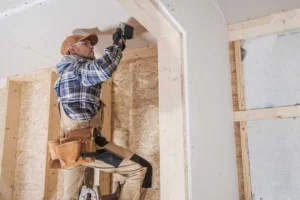
- Run kitchens, baths, flooring, and basements year-round with dust containment.
How Does Weather Affect Remodeling Schedules?
Weather drives cure times, safety decisions, and the order of operations for most trades. Asphalt shingles need warm, dry conditions to seal properly, while some membranes require specific temperature ranges for adhesion. Paint and stain performance depends on dew point and humidity, not just air temperature, and ignoring those limits can lead to peeling or blistering.
Concrete and mortar need consistent temperatures and controlled moisture to hit design strength, so crews often use blankets or additives in colder months. Heavy rain complicates excavation and drainage work, while high winds affect crane and lift safety. Even indoor work can be influenced by humidity swings that cause drywall mud to crack or hardwood to cup. A thoughtful schedule protects your home and helps you finish last.
Pros document manufacturer specs for temperature and humidity, then build weather contingencies into the calendar. They monitor forecasts, sequence tasks to keep the building envelope secure, and install temporary barriers to control moisture and dust. When surprises happen, experienced contractors know whether to pause, tent, heat, or dehumidify to keep materials within spec. With larger jobs, project managers add float days to absorb delays without pushing completion past school breaks or holidays.
Coordinating permits and inspections early prevents weather-lost days from compounding with paperwork stalls. Using American Home Quotes makes it easier to find contractors who explain these constraints clearly and provide options when the forecast shifts, and you can also review scope ideas and timelines as you explore bathroom remodeling choices. If you want to pinpoint the best time of year to start remodeling for your climate, ask each bidder about temperatures, dew point limits, and their plan for weather protection.

Can Starting Early in the Year Save Money?
Starting before peak season can lower costs and shorten timelines because demand and labor constraints drive pricing. In many markets, January through March offers better access to crews and faster permit slots for interior work, while late winter deposits can secure prime spring dates for exterior projects. Suppliers often run promotions on appliances, flooring, and fixtures early in the year, and locking selections early protects you from mid-season price increases.
By booking ahead, you also reduce the risk of overtime or rush fees tied to compressed schedules. Shipping and special-order lead times fluctuate, so placing orders sooner gives manufacturers time to deliver without paying expedited freight. Early planning also creates space for value engineering, allowing you to compare materials that maintain performance without sacrificing durability. Those small optimizations add up across a full remodel.
Reputable contractors outline allowances, long-lead items, and potential cost drivers so you can make smart decisions before demolition. They build contingency buffers into both the budget and the calendar, which reduces change orders and protects completion dates. Transparent bids will show labor rates, material costs, and exclusions, helping you plan financing and reserve funds for surprises.
If energy upgrades are part of your project, starting earlier can help you capture rebates or tax credits before funding caps are reached. A platform like American Home Quotes surfaces multiple vetted bids quickly, making it easier to find fair pricing from crews with strong schedules and references. For cost clarity as you refine scope and sequence, it helps to compare options and compare renovation services by warranty terms, availability, and material lead times. Early action increases your choices, which lowers stress and helps you stay on budget.
Use these simple ways to turn early planning into savings:
- Lock a schedule and deposit before peak season to avoid surge pricing.
- Order long-lead materials early to skip expedited shipping fees.
- Bundle scopes to minimize repeat mobilization and permit costs.
- Choose in-stock or quick-ship finishes to prevent delays.
- Coordinate rebates, inspections, and utility appointments in advance.
How Should You Plan Around Contractor Availability?
Contractor calendars vary by region, trade, and season, so start with realistic lead times and a short list of qualified pros. High-demand periods include late spring through early fall for exterior work, school breaks for interior projects, and the months before major holidays. The best firms book out weeks or months because they maintain rigorous quality and safety standards, not because they overextend.
Securing three to four vetted bids ensures you compare labor capacity, crew size, and projected start dates side by side. Ask about who will be on site daily, how overlapping trades are coordinated, and how change orders are handled. Confirm license numbers, insurance certificates, and references before signing, and ensure the contract includes a payment schedule and target milestones. This due diligence helps you avoid delays, budget creep, and unlicensed work.
Experienced contractors build detailed schedules that show dependencies, inspection dates, and material deliveries, so everyone knows when to expect noise, dust, or brief utility interruptions. They use daily logs, photos, and punch lists to keep progress on track and minimize disruption to your family routine. If you need flexibility, discuss phased construction or temporary setups to maintain kitchen or bathroom access.
A reputable platform like American Home Quotes streamlines availability checks by matching you with licensed, insured contractors who can commit to realistic start windows. To see which categories have open slots and how quickly crews can mobilize, you can browse available bathroom remodeling services and compare timelines, warranties, and reviews. Choosing the right team early gives you room to handle small surprises without losing weeks. With a clear plan, your project moves consistently from demolition to inspection to finish day.
Frequently Asked Questions About Seasonal Remodeling Planning
Here are straightforward answers to the most common questions homeowners ask when scheduling a remodel:
-
What projects are least affected by weather?
Interior projects like bathrooms, kitchens, flooring, and basements are less weather-dependent. Crews manage dust, humidity, and ventilation to keep materials within safe ranges.
-
How far in advance should I book a contractor?
Plan to book six to ten weeks ahead for typical projects, and longer if aiming for spring or fall. Complex scopes or specialty trades can require a three-month lead time.
-
Do shoulder seasons really reduce costs?
They often do because demand is lower and schedules are more flexible. You may also save on temporary weather protection and avoid overtime to beat storms or heat waves.
-
How do pros protect my home during exterior work?
Contractors stage materials, install temporary coverings, and sequence tasks so the envelope stays secure. They pause or modify methods if winds, rain, or temperature shifts threaten finishes.
-
What permits or approvals affect scheduling?
Common requirements include building permits, electrical and plumbing inspections, and HOA notifications. Early applications and complete drawings keep these steps from delaying start dates.
-
How can I minimize disruption to daily life?
Set work hours, designate paths, and plan temporary setups for kitchens or baths. Daily communication and a clear sequence reduce surprises and keep routines intact.
Key Takeaways on the Best Time of Year to Start Remodeling
- Match project type to climate: interiors year-round, exteriors in mild seasons.
- Weather affects adhesion, cure times, and safety, so schedules must follow specs.
- Booking early expands contractor choices, reduces delays, and protects budgets.
- Transparent bids, permits, and realistic milestones keep projects on track.
- Vetted contractors provide better quality control, warranties, and communication.
- Comparing multiple quotes helps balance cost, timing, and workmanship.
Strong planning and the right team make your remodel smoother, safer, and more predictable. For scope-specific timing, discuss material lead times, inspection windows, and regional weather with your short-listed contractors, and consider whether to review tub installation options as part of your project phasing.
Need qualified help quickly? American Home Quotes connects you with licensed, insured contractors who are pre-screened for quality, availability, and fair pricing. Speak with a friendly specialist at 1-877-461-3751 to describe your goals and timeline, or use American Home Quotes to request free, no-obligation estimates. Compare bids side by side, understand schedules clearly, and choose the right pro with confidence. Get started today and keep your project moving on your terms.
External Sources
- U.S. Department of Energy: Efficient Home Design
- Better Business Bureau (BBB): Hiring Construction and Remodeling Services You Can Trust
- This Old House (PBS-affiliated educational resource): Home Renovation Trends and Tips 2025