Old steel water lines can quietly corrode from the inside out, restricting flow, staining fixtures, and hiding health hazards. If your home was built before the 1970s, you may be weighing the cost, risk, and timing of dealing with galvanized steel plumbing. Professional assessment is crucial because water quality, pressure, and leak risks depend on pipe condition that is not obvious to the eye. Skilled plumbers use non-invasive tools to verify pipe material, measure corrosion, and recommend targeted repairs or full repiping where needed.
The fastest and safest path forward is to hire vetted experts who can diagnose, price, and complete the work with minimal disruption and clear warranties.
Certified contractors protect your home, budget, and water quality by following code, pulling permits, and using approved materials. A pro can stage work to limit downtime, protect finishes, and ensure accurate shutoffs and tie-ins. Expect straightforward recommendations with line-item estimates so you can prioritize urgent sections and plan future upgrades. When experienced, vetted plumbers handle the project, you get reliable results, better water flow, and peace of mind.
What Is Galvanized Steel Plumbing?
Galvanized supply lines are steel pipes coated with zinc to slow rust, commonly installed in homes before copper and modern plastics became standard. Over time, the zinc layer wears off, and mineral buildup narrows the pipe’s interior, reducing water pressure and increasing leak risk. Corrosion can occur inside walls and under floors where you cannot see it, which is why professional evaluation matters. Licensed plumbers identify pipe type at exposed locations, test pressure, and examine discoloration, scale, or deposits that signal advanced deterioration.
When issues are found, they explain options ranging from selective replacement to whole-home repiping using approved materials like PEX, copper, or CPVC.
Professional contractors focus on safety by shutting off and draining lines correctly, protecting electrical systems near work areas, and complying with local code. They also consider fixture counts, pipe diameters, and municipal pressure to size replacements that restore flow without causing water hammer or premature wear. If walls must be opened, pros minimize damage and coordinate patching for a clean finish.
Choosing an experienced team reduces surprises and ensures accurate timelines. For an easy start, you can use a trusted matching service to find licensed plumbing specialists who are already screened for credentials and reputation.
Finding the right path depends on a thorough inspection combined with clear pricing. A good contractor documents findings with photos and explains what can wait and what cannot. You should receive a written estimate that outlines materials, labor, permits, and cleanup. Ask for product warranties and workmanship guarantees so you know your investment is protected. Transparent communication and documented scopes keep the project aligned with your budget and timeline.
Common Signs Galvanized Pipes Are Failing
Aging steel lines telegraph problems through your fixtures, water color, and pressure. Frequent clogs, slow taps, and inconsistent showers often signal internal buildup restricting flow. Brown or yellow water after periods of no use can point to rust, while metallic tastes may indicate corrosion byproducts. Taps that sputter, showerheads that clog quickly, or water that never quite runs clear are warning signs worth investigating.
If you notice these symptoms, a professional can test pressure, sample water, and examine accessible sections to determine the extent of deterioration.
There are several practical indicators homeowners can check before calling a plumber, which can help prioritize the inspection path and repairs:
- Low or inconsistent water pressure at multiple fixtures.
- Rust-colored water, especially after the water has been off.
- Frequent clogs or quickly re-clogging aerators and showerheads.
- Visible flaking, pitting, or white mineral crust on exposed pipes.
- Leaks at threaded joints or damp spots on ceilings and walls.
- Older home records or neighbors confirming original steel lines.
Licensed plumbers confirm material type, cut small test sections if needed, and use camera scopes to assess hidden conditions. If a leak is suspected but not visible, consider scheduling professional leak detection services to pinpoint the source without unnecessary demolition. With verified findings, a contractor will recommend targeted fixture re-pipes, replacement of trunk lines, or a whole-home repipe to stop recurring issues.
Including galvanized steel plumbing in your conversation helps ensure accurate materials identification and clear expectations about lifespan and upgrade value. Using a vetted matching platform streamlines quotes, shortens timelines, and reduces the risk of hiring an unqualified provider.
Health Risks Associated With Corroded Galvanized Pipes
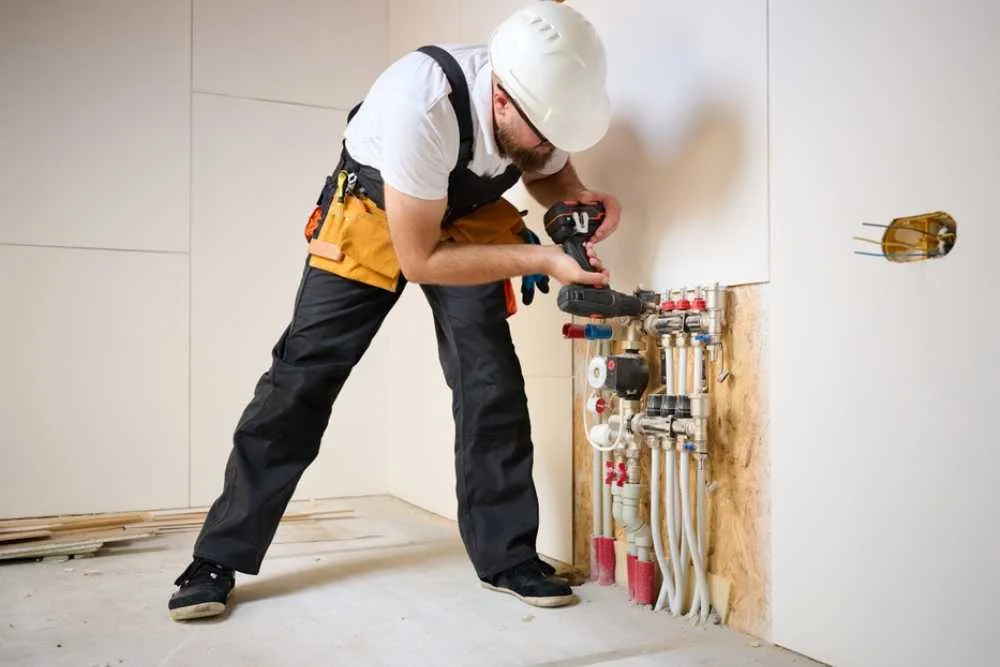
When zinc coatings degrade, steel pipes can release rust and trap contaminants that discolor water and stain fixtures. Some older systems may have connected to lead service lines or used lead-based solder in neighboring sections, increasing the chance of trace lead in tap water. Corrosion can create rough interiors where bacteria accumulate, especially in low-use branches. These conditions are not always visible, which is why water testing and expert evaluation matter. A licensed pro can collect samples, recommend certified labs, and interpret results in the context of your plumbing layout.
Experienced contractors prioritize health by eliminating corrosion sources, replacing outdated materials, and flushing lines to restore water clarity. They often recommend point-of-use filters or whole-home filtration during transition periods to provide added safety. If lead risks are suspected, professional guidance ensures proper sequencing of replacement work and post-repipe flushing. Reputable plumbers follow local reporting requirements and safety protocols to protect families, pets, and vulnerable occupants. To understand how pipe age, materials, and water chemistry interact, it helps to review documented common issues in home plumbing infrastructure and discuss them with your contractor.
Health-driven upgrades often start with high-risk areas like kitchen and bathroom supplies. Contractors can stage work to limit water downtime and coordinate any necessary wall access with repair teams. Expect clear guidance on safe re-occupancy after line replacements and flushing procedures. The end goal is clean, reliable water with measured pressure and modern materials. With expert oversight, you reduce exposure risks while improving everyday comfort and home value.
Why Professional Inspection Matters for Galvanized Plumbing
A professional inspection moves guesswork into facts: material identification, pressure readings, corrosion mapping, and prioritized solutions. With specialized tools, plumbers can isolate problem sections and distinguish between fixture issues and system-wide restrictions. Documentation helps you compare bids on equal terms and avoid scope creep or hidden costs. Accurate findings also protect against cosmetic-only fixes that leave underlying pipe failures unaddressed. Thorough pros explain code requirements, permit expectations, and realistic timelines from the start.
Homeowners benefit from a structured process that includes condition reports, options by urgency, and transparent pricing. Vetted contractors carry insurance, verify licensing, and provide references you can check. They coordinate access, protect finishes, and keep work areas clean with daily progress updates. Clear communication reduces stress and drives predictable results. Exploring full-service plumbing solutions helps align materials, warranty options, and scheduling with your goals.
Before scheduling work, it helps to review a concise checklist so you know what to expect during an inspection and how to evaluate bids:
- Confirm license, insurance, and recent galvanized-to-PEX or copper experience.
- Ask for written findings with photos and pressure readings.
- Compare line-item scopes, materials, permits, and cleanup details.
- Verify warranties, start dates, and daily work hours.
- Request contingency plans for hidden conditions and patching standards.
- Ensure all changes are documented with signed change orders.
With this approach, you can weigh partial replacements against full repipes and understand lifecycle costs. Using the term galvanized steel plumbing during estimates helps avoid confusion about materials and keeps discussions precise. The right team delivers safer water, stronger flow, and fewer emergencies through careful planning and code-compliant execution. When professionals handle testing, documentation, and installation, your upgrade stays on budget and on schedule. That level of rigor pays off in performance and long-term peace of mind.
Frequently Asked Questions About Galvanized Pipe Replacement and Inspection
Quick answers to the most common homeowner questions help you plan with clarity and confidence:
-
How long do old galvanized pipes typically last?
Most systems installed before the 1960s reach the end of life after 40 to 60 years. Actual lifespan depends on water chemistry, usage, and maintenance history.
-
What are the first signs that my pipes are deteriorating?
Low pressure, rusty water after periods of non-use, and frequent clogs are common early warnings. Staining on fixtures and recurring leaks at threaded joints also indicate trouble.
-
Is full repiping always necessary?
Not always; targeted replacements can address high-risk sections while planning a staged upgrade. A professional inspection reveals whether localized fixes or whole-home solutions make the most sense.
-
How do plumbers test for hidden issues without opening walls?
They use pressure testing, flow measurements, and inspection cameras to evaluate interior conditions. Non-invasive moisture meters and thermal tools can also identify leak pathways.
-
What materials are preferred for replacements?
Licensed plumbers commonly install PEX or copper based on local code, water chemistry, and budget. Pros explain pros and cons, including durability, freeze behavior, and warranty terms.
-
How should I compare multiple bids fairly?
Request line-item scopes with identical materials, permits, and cleanup so you can compare apples to apples. Check credentials, references, and warranty coverage alongside price.
Key takeaways on Galvanized Steel Plumbing
Keep these essentials in mind when deciding whether to repair or replace aging steel lines:
- Older steel supply lines corrode internally, causing low pressure, discolored water, and leak risks.
- Professional inspection confirms pipe type, measures corrosion, and documents findings for accurate bids.
- Health concerns include rust particles, potential lead from legacy connections, and bacterial buildup in rough interiors.
- Targeted repairs or full repiping should be code-compliant, permitted, and backed by clear warranties.
- Using a vetted matching service saves time and reduces the risk of hiring unqualified contractors.
- Discuss galvanized steel plumbing precisely to align scope, material choices, and lifecycle costs.
Replacing deteriorated pipes improves water quality, restores strong flow, and reduces emergency calls. Clear documentation, skilled installation, and proper materials create a durable system that supports your home for decades. With the right plan, you can balance cost, timing, and minimal disruption.
To strengthen your budgeting and negotiation strategy, it helps to understand how to negotiate with a general contractor before you sign. If you are ready to get matched, American Home Quotes connects homeowners to pre-screened, licensed professionals for fast, no-obligation estimates. Speak with a specialist at 1-877-792-5461 to discuss your timeline and goals. Expect transparent options, verified credentials, and side-by-side quotes that make your decision simpler and safer.