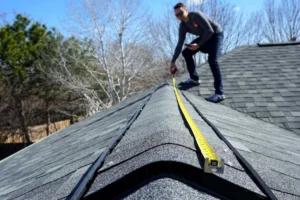
Poor attic ventilation drives up energy bills, causes moisture damage, and shortens shingle life. Many homeowners first notice hot second floors, musty smells, or winter ice dams after storms. The quickest way to stabilize the attic is by balancing intake and exhaust airflow, then sealing air leaks that feed heat and humidity. With home roof vents configured by an experienced roofer, the system moves air out without pulling conditioned air from the living space.
A licensed contractor will calculate net free area, verify code compliance, and choose products that fit your roof design. Safe installation also protects electrical, bath fan ducts, and fire blocking while preventing future leaks. Hiring a vetted professional keeps costs predictable and avoids callbacks, defects, and warranty disputes. Schedule an evaluation and let a proven crew fix the underlying airflow problems fast and safely.
How Roof Venting Works in Residential Homes
A healthy roof relies on a simple principle: cooler, drier air enters low at the eaves while warm, moist air exits high near the ridge. Intake and exhaust must be balanced so the attic does not become a pressure zone that steals conditioned air from living spaces. When home roof vents are balanced, the system uses the stack effect and wind to flush out heat and humidity without overworking fans or creating leaks.
Insufficient intake starves the ridge or box vents, while too much exhaust can depressurize the attic. Unbalanced systems drive condensation, mold, warped sheathing, and premature shingle failure. A balanced design also reduces ice dams by keeping the roof deck closer to outdoor temperatures.
Professional roofers start with a thorough inspection, measuring net free area and mapping airflow from soffits to the roof peak. They check for blocked soffits, missing baffles, crushed insulation at the eaves, and bath or dryer ducts that terminate into the attic. Pros verify ridge slot width, flashing integrity, fastener placement, and shingle manufacturer requirements so warranties stay valid. They seal attic bypasses at light cans, chases, and hatches to prevent conditioned air from feeding moisture.
You can explore education and connect with trusted help through the roofing hub, where a helpful overview of options directs you to roofing pros in your area. Using a vetted matching platform like American Home Quotes saves time, filters out unqualified installers, and provides fast access to licensed specialists who stand behind their work.
What Are the Different Types of Home Roof Vents?
Most homes use a mix of intake at soffits and exhaust at or near the ridge. Ridge vents are hidden and continuous, making them the default for many modern roofs. Box or louver vents provide point exhaust and are often used when a ridge vent is not feasible. Wind turbines spin to increase airflow, though quality and wind exposure matter for performance. Gable vents can help, but may disrupt airflow if they short-circuit intake to exhaust. Powered attic fans move large volumes but require careful control and air sealing to avoid pulling indoor air.
When comparing options, look for materials that match your climate, roof pitch, and shingle warranty requirements. Focus on net free area, screened openings that resist pests, and baffles that block wind-driven rain or snow. A licensed contractor will calculate intake first, then size the exhaust to match, ensuring the system remains balanced throughout the seasons. This is where a curated network makes a difference, because manufacturers and codes vary by region.
For help selecting the right configuration, the roofing services directory makes it easy to reach vetted ventilation specialists. Contractors in that network clarify scope, timelines, and warranty terms up front, so there are no surprises.
For quick reference, here are common vent types and what they do best:
- Ridge vents: continuous, concealed exhaust along the peak; high performance when intake is adequate.
- Box or louver vents: discrete exhaust units; useful for complex roofs without long ridges.
- Wind turbines: wind-driven exhaust; good airflow in breezy climates with proper flashing.
- Gable vents: assist crossflow; can disrupt balanced systems if not designed correctly.
- Powered fans: active exhaust; require thermostats, humidistats, and tight air sealing.
- Soffit vents: continuous or discrete intake; must stay clear of insulation and debris.
Well-chosen vents perform only as well as the installation and attic air sealing that support them. Asking a pro to verify baffles at eaves, clearance above insulation, and duct terminations protects against leaks and mold. Documented specs and photos of completed work help keep future warranties intact. If the roof is being replaced, planning the ventilation update at the same time ensures shingle and vent warranties align.
Regional weather patterns also guide hardware selection, from wind-rated ridge vents to corrosion-resistant fasteners. Using American Home Quotes streamlines this process by connecting you with roofers who are already screened for licensing, insurance, and customer reviews.

When Should Home Roof Vents Be Replaced?
Visible cracking, missing shingles around vent openings, or rusty flashing are clear warning signs. Water stains on ceilings below vents, frost on roof nails, or a musty attic smell point to elevated moisture. Noise from powered fans, tripped breakers, or seized bearings indicates failing equipment. After re-roofing, older exhaust units may no longer meet the manufacturer’s ventilation requirements. Storm impacts can loosen fasteners or deform vent covers, creating future leaks. Replacing home roof vents promptly prevents structural damage, mold growth, and escalating energy costs.
A qualified roofer will inspect from the attic and rooftop, checking net free area, soffit blockages, and ridge slot sizing. They may use smoke pencils to visualize airflow and infrared cameras to confirm wet insulation or cold spots. Corrective work often includes upgrading intake, adding baffles, reworking bath fan terminations, and sealing air leaks. Pros match vent models to roof pitch, underlayment type, and shingle brand, then flash penetrations to manufacturer specs.
For planning and ongoing maintenance, it helps to understand why scheduled evaluations matter, and a short primer on attic and roof checkups explains this well, as to why regular residential roof inspections are necessary. Using American Home Quotes to connect with licensed specialists reduces guesswork, lowers risk, and keeps warranty paperwork clean and enforceable.
Questions to Ask Before Replacing or Installing Roof Vents
Clear questions lead to accurate bids and fewer change orders. Ask how intake will be improved so exhaust is not starved, and how air leaks will be sealed to protect comfort. Confirm how the pro will calculate the net free area and meet local code. Request the specific vent models, fasteners, flashing, underlayment, and baffle details in writing. Discuss scheduling, weather contingencies, and what happens if hidden problems appear. Using a vetted matching platform like American Home Quotes makes it easier to compare apples-to-apples proposals from insured pros.
Use this checklist to make sure every proposal is complete and comparable:
- How will intake and exhaust be balanced, and what is the calculated net free area?
- What materials and models will be installed, and are they approved by the shingle manufacturer?
- How will bath fans, kitchen vents, and dryer ducts be vented to the exterior?
- What flashing method, fasteners, and underlayment will be used around penetrations?
- Will baffles be added at the eaves to keep insulation from blocking soffit vents?
- What are the workmanship and product warranty terms, and how are claims handled?
- What is the start date, duration, and cleanup plan, including magnet sweep for nails?
Ask the contractor to itemize labor, materials, permits, and disposal so you can compare bids fairly. Warranty language should specify transferability, exclusions, and maintenance requirements. If anything is unclear, request photos of similar projects and references from recent clients. For pricing discussions and scope changes, this quick read on tactics can help you frame a productive conversation about value, and you can explore strategies on how to negotiate with a general contractor.
Make sure the final payment follows a passed inspection and your receipt of product registrations. Keeping documentation organized from the start makes future warranty claims easier.
Frequently Asked Questions About Roof Ventilation Inspection and Replacement
Homeowners often ask these practical questions when planning roof ventilation work:
-
How much does professional attic vent installation cost?
Individual passive exhaust units typically run $300 to $700 installed, depending on roof height and pitch. A full intake and exhaust balance with air sealing often ranges $1,200 to $3,000, with complex roofs trending higher.
-
How long does replacement take once scheduled?
Small repairs or swaps can be completed in two to six hours. A full-system upgrade usually takes one day, including cleanup and disposal.
-
Do I need permits or inspections for this work?
Many jurisdictions require a permit when cutting decking or adding roof penetrations. Licensed contractors will pull permits and arrange final inspections where required.
-
Will better ventilation lower energy bills and reduce ice dams?
Balanced airflow can reduce cooling loads by 5% to 10% and protect roof decks from heat damage. Keeping the deck colder in winter also reduces ice dam risk while controlling moisture that drives mold.
-
Is there a best season for installing vents?
Dry, mild weather offers the safest and fastest installation conditions. Emergency repairs can be done anytime with proper protection and scheduling flexibility.
-
What warranties should I expect from a qualified contractor?
Quality products often carry 5- to 15-year material warranties when installed to specification. Reputable contractors typically offer 1- to 5-year workmanship coverage with clear processes for claims.
Key takeaways on Home Roof Vents
- Balanced intake and exhaust prevent moisture damage, shingle failure, and ice dams.
- Pros calculate net free area, verify code, and select products that match the roof pitch and climate.
- Air sealing and proper duct terminations are as important as vent hardware for performance.
- Scheduling ventilation work with a re-roof preserves warranties and reduces labor overlap.
- Home roof vents should be designed as a balanced system with verified intake and exhaust.
- Vetted contractors provide transparent bids, documentation, and dependable warranties.
- A trusted matching platform saves time and reduces risk when hiring for roof ventilation.
If your roof is low-slope or part of the project involves flat roofing, understanding material choices can help align ventilation and membrane details; for context on common low-slope materials, see why some pros choose modified systems and why roof contractors use modified bitumen materials. Careful planning, accurate calculations, and professional installation keep the attic dry and the roof performing as intended. Good records and scheduled inspections protect your investment over the long term.
To connect with pre-screened, licensed roofers who specialize in ventilation, call 1-877-299-0515 or reach out to American Home Quotes. The service matches your project and ZIP code to reliable local providers, so you can compare transparent bids without pressure. You get faster scheduling, vetted credentials, and clear communication from start to finish. Get practical help today and restore a safe, efficient attic the right way.
External Sources
- BrokerCalls: What to Know About Pay-Per-Call Lead Generation Services
- BrokerCalls: Roofing Leads That Convert | Get High-Quality Calls