When water starts seeping through your ceiling near a chimney, skylight, or roof valley, damaged flashing is often the cause. Roof flashing repair addresses one of the most overlooked yet critical vulnerabilities in your home’s waterproofing system. Flashing is the thin metal material installed at joints and transitions across your roof, and when it fails, water finds its way in quickly. Left unaddressed, even a small flashing failure can lead to structural rot, mold growth, and costly interior damage.
Hiring a licensed roofing professional to assess and correct flashing issues is the fastest way to protect your home from compounding water damage. Skilled contractors use proven techniques to reseal, reposition, or fully replace flashing sections without disrupting surrounding shingles or roofing materials. Their experience ensures the fix is done the first time correctly, giving you lasting protection and peace of mind.
What Is Roof Flashing and Why Is It Critical to a Leak-Free Roof?
Roof flashing is a thin layer of corrosion-resistant metal, typically galvanized steel, aluminum, or copper, installed wherever your roof meets a vertical surface or changes direction. Common flashing locations include chimneys, skylights, dormers, roof valleys, and vent pipes.
These transition points are naturally vulnerable to water intrusion because they create seams that roofing materials alone cannot fully seal. Flashing acts as a waterproof barrier that channels water away from these openings and directs it safely down the roof slope.
Without properly installed and maintained flashing, water accumulates at these vulnerable joints during rain, snowmelt, or ice events. Over time, even a tiny gap or lifted edge allows moisture to work under shingles and into the roof deck. The damage that follows, including rotted decking, soaked insulation, and mold-infested attic spaces, is far more expensive to repair than the flashing issue itself.
A professional inspection can catch deteriorating flashing early, before it escalates into a structural problem. Scheduling a professional roof inspection that covers flashing integrity is one of the smartest investments a homeowner can make.
Roofing contractors understand the specific material requirements and installation standards for every flashing type. They know how flashing must be integrated with underlayment and shingles to create a waterproof system, not just a surface patch. That expertise is not easily replicated through a DIY attempt, particularly on steep or complex roof profiles where safety and precision are both essential.
What Are the Common Signs That Roof Flashing Needs Repair or Replacement?
Identifying flashing problems early can save thousands in water damage repair costs. Many homeowners do not notice flashing failure until a leak is already visible indoors, but there are exterior warning signs worth knowing. A proactive visual check after storms or during seasonal maintenance can reveal issues that a contractor can address before they worsen.
Some of the most common indicators that flashing has failed or is failing include visible rust stains or discoloration on metal strips, lifted or separated edges where flashing meets siding or masonry, and cracked or missing sealant along flashing joints. Water stains on interior ceilings near chimneys or skylights are a strong signal that flashing is no longer creating a watertight seal.
Storm damage is another leading cause of flashing displacement, and knowing how to identify storm damage to your roof’s protective layers helps homeowners act quickly after severe weather.
Here are the most telling signs that a professional should evaluate your flashing:
- Rust streaks or discoloration running down from metal roof transitions
- Visible gaps, bends, or separation between flashing and adjacent surfaces
- Cracked, dried-out, or missing caulk around flashing edges
- Water stains or damp spots on interior ceilings near roofline transitions
- Missing or displaced flashing sections after hail or high-wind events
- Granule buildup in gutters near valley or chimney areas, indicating shingle stress
When any of these signs appear, waiting rarely helps. A licensed contractor can determine whether targeted repair or full flashing replacement is the right course of action based on material age, corrosion extent, and underlying deck condition.
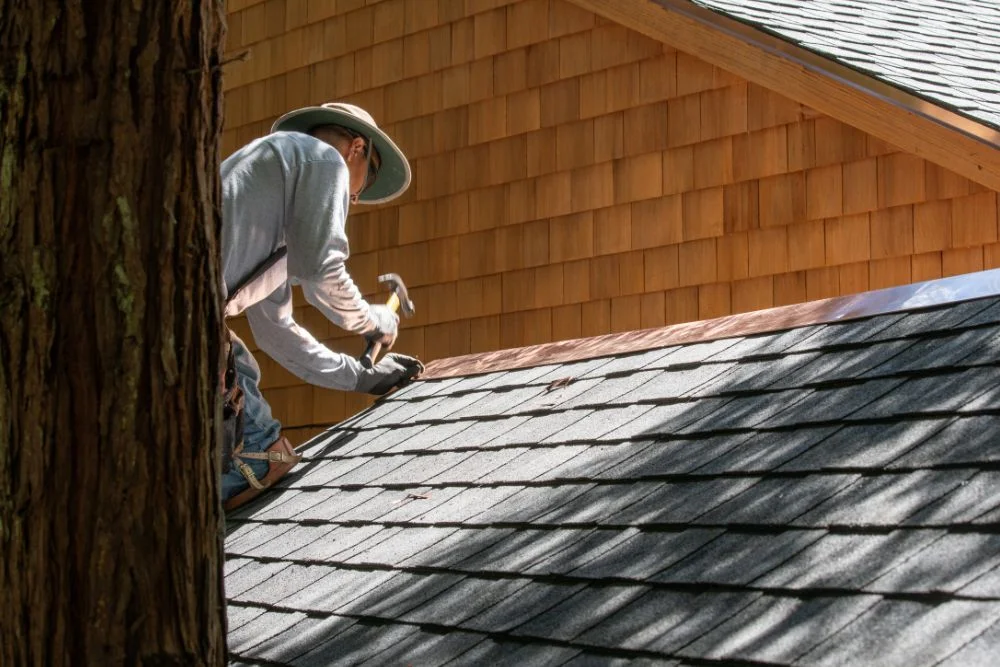
How Do Roofing Contractors Inspect and Repair Damaged Roof Flashing?
A qualified roofing contractor follows a methodical process when evaluating flashing condition. The inspection begins at the ground level with a visual assessment, then moves to a hands-on examination of every transition point on the roof. Contractors look for corrosion, separation, improper overlap, and compromised sealant.
They also check the underlying roof deck for soft spots or discoloration that indicate moisture has already penetrated. Understanding how professional roof leak detection pinpoints hidden water pathways helps homeowners appreciate why a thorough inspection goes far beyond what is visible from the ground.
Once the scope of damage is confirmed, repair work typically involves one or more of the following approaches depending on severity. For minor separation or sealant failure, contractors clean the joint and apply a compatible roofing sealant or flashing cement rated for long-term exterior exposure. When flashing has corroded, bent out of position, or was improperly installed originally, full replacement is the correct solution.
Replacement requires carefully lifting adjacent shingles, removing the old flashing, and installing new material with proper overlap, fastening, and sealant integration. The work demands precision so that reinstalled shingles lie flat and the new flashing creates a continuous water barrier.
Contractors working through a vetted platform bring verified licensing and insurance to every job, which protects homeowners financially if anything goes wrong during the repair. American Home Quotes pre-screens every roofing professional in its network for credentials, insurance coverage, and customer satisfaction history. That vetting process removes the uncertainty of hiring someone found through an unverified referral or an anonymous online listing.
Knowing that your contractor has been checked against professional standards before setting foot on your roof is a meaningful layer of protection for your home and your investment.
Can Homeowners DIY Roof Flashing Repairs or Should They Hire a Pro?
The appeal of DIY flashing repair is understandable when the job looks simple from the ground. However, working on a roof involves significant fall risk, and improper flashing installation can create new leak pathways that are harder to diagnose later.
Flashing must be correctly integrated with the roofing system at a material level, meaning the correct overlap dimensions, fastener placement, and sealant compatibility all matter. A repair that looks complete from the outside can still allow water infiltration if the underlying technique is flawed.
Professional roofers carry fall protection equipment, have the training to navigate steep or wet surfaces safely, and understand building code requirements for flashing installation in your region. If flashing damage is part of a larger roofing issue, a contractor will identify that connection and give you an accurate picture of your roof’s overall health.
Ignoring broader deterioration while patching one section can lead to accelerated failure elsewhere. Reviewing the signs that indicate your roof may need full replacement can help you and your contractor decide whether repair or replacement is the more cost-effective path.
There is also the matter of warranty protection. Many roofing material manufacturers require professional installation to honor product warranties, and improper DIY repairs can void existing coverage. Checking your roof warranty terms before attempting any flashing work is a step homeowners often skip, and it can be a costly oversight.
Hiring a licensed contractor ensures the repair method aligns with manufacturer specifications, keeping coverage intact. For most homeowners, the combination of safety risk, technical complexity, and warranty implications makes professional repair the clearly responsible choice.
Frequently Asked Questions About Roof Flashing Repair and Leak Prevention
These questions address the most common concerns homeowners have when dealing with flashing damage, contractor selection, and waterproofing decisions:
-
How long does flashing typically last before it needs to be replaced?
Galvanized steel flashing generally lasts 20 to 30 years, while copper flashing can last 50 years or more with proper maintenance. Exposure to harsh weather, salt air, or acidic moss growth can shorten that lifespan significantly.
-
What does it cost to have a professional repair damaged flashing?
Minor flashing repairs often range from $150 to $400 depending on location and severity, while full chimney or skylight flashing replacement can run $300 to $1,500 or more. Material choice, roof complexity, and regional labor rates all affect the final price.
-
Can damaged flashing cause mold inside my home?
Yes, persistent moisture from failed flashing creates ideal conditions for mold growth in attic insulation, roof decking, and wall cavities. Addressing flashing failures promptly limits moisture exposure and reduces the risk of expensive mold remediation.
-
How do I know if a contractor is qualified to work on flashing?
Look for contractors who hold a current state roofing license, carry general liability insurance, and have documented experience with metal flashing installation. Platforms that pre-screen contractors for these credentials take the guesswork out of vetting.
-
Is flashing damage covered by homeowners insurance?
Coverage depends on the cause of damage; storm-related flashing displacement is typically covered, while deterioration from age or lack of maintenance is usually excluded. Reviewing your policy and filing promptly after storm events gives you the best chance of a successful claim.
-
How soon after a storm should flashing be inspected?
A professional inspection within two to three days of a significant storm is recommended, especially if you notice water stains or visible damage to the ground. Early detection limits interior water damage and strengthens insurance documentation if a claim is needed.
Key Takeaways on Roof Flashing Repair
- Roof flashing repair is essential for preventing water intrusion at chimneys, skylights, valleys, and other vulnerable roof transitions.
- Early warning signs include rust stains, separated flashing edges, missing sealant, and water stains on interior ceilings.
- Licensed roofing contractors follow a structured inspection and repair process that addresses both surface damage and underlying moisture issues.
- DIY flashing work carries fall risk, technical complexity, and potential warranty voidance that make professional repair the safer choice for most homeowners.
- Flashing lifespan varies by material, and regular professional inspections help homeowners stay ahead of deterioration before leaks develop.
- Using a vetted contractor matching platform connects homeowners with pre-screened professionals who carry proper licensing, insurance, and verifiable track records.
Flashing failures rarely announce themselves until water damage is already spreading inside your home. Acting at the first sign of a problem, rather than waiting for visible leaks, keeps repair costs manageable and protects the structural integrity of your roof. A qualified roofing contractor can assess your flashing condition accurately and recommend a repair strategy that fits both your roof type and your budget.
When you are ready to connect with a licensed professional, American Home Quotes makes the process straightforward by matching you with pre-screened roofing contractors in your area at no cost and with no obligation. Every professional in the network has been vetted for licensing, insurance, and performance history so you can move forward with confidence. Call 1-877-299-0515 to speak with a representative and get matched with qualified contractors who are ready to protect your home today.
External Sources
- BrokerCalls: How Pay-Per-Call Generates Quality Roofing Leads in 2024
- BrokerCalls: Everything You Need to Know About Generating Roofing Leads
- BrokerCalls: Roofing Leads