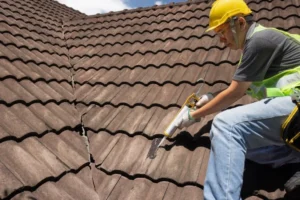
Your roof is one of the most important structural elements of your home, and neglecting it can lead to expensive water damage, mold growth, and structural failures that are far costlier than preventive care. Following practical roof maintenance tips helps homeowners catch small problems early, before a missing shingle or clogged gutter becomes a major repair bill.
A well-maintained roof protects everything beneath it, and the difference between a roof that lasts 20 years and one that lasts 35 often comes down to consistent upkeep. Trusting licensed roofing professionals for inspections and repairs means work is done safely, correctly, and with materials suited to your specific roof system.
Many homeowners underestimate how quickly minor roof issues can escalate, especially after severe weather or extended neglect. A small crack in flashing, debris buildup in a valley, or a handful of compromised shingles can each allow moisture to penetrate your attic and walls within a single season. Professional roofers know exactly where to look, what warning signs mean, and how to address problems before they multiply. Getting expert eyes on your roof at regular intervals is the most reliable way to protect your home’s value and your family’s safety.
How Often Should Homeowners Inspect Their Roof?
Most roofing professionals recommend scheduling a formal roof inspection at least twice a year, typically in the spring and fall. These two seasons provide the best windows for identifying winter storm damage and preparing your roof before harsh summer heat or freezing temperatures arrive with roof maintenance tips.
A spring inspection catches ice dam damage, lifted shingles, and cracked flashing that winter conditions often create. A fall inspection ensures gutters are clear, sealants are intact, and your roof is ready to handle rain and snow loads without issues.
Beyond scheduled inspections, you should also have your roof evaluated after any significant weather event, such as a hailstorm, high winds, or a heavy snow accumulation. Waiting months after storm damage allows moisture infiltration to compound, leading to rot, mold, and compromised decking that costs far more to repair.
A qualified roofing contractor can spot hidden damage that is not visible from the ground and provide documentation useful for insurance claims. Understanding why regular residential roof inspections are necessary gives homeowners a clearer picture of the long-term value these checkups provide for protecting their investment.
Homeowners who take a proactive approach to inspections consistently spend less on roofing over time. Professional inspectors use detailed checklists, moisture meters, and visual assessments to evaluate every component of your roof system, from the ridge cap down to the drip edge.
Using a verified contractor matching service removes the uncertainty of searching for a trustworthy roofer on your own, connecting you with pre-screened professionals who carry the proper licensing and insurance your inspection requires.
What Seasonal Roof Maintenance Tasks Matter Most?
Each season brings distinct challenges to a roof, and knowing which tasks are most critical at each time of year helps homeowners prioritize where to direct their attention and resources. Roofing needs shift with temperature changes, precipitation patterns, and the growth of biological material like moss and algae.
Addressing these tasks on a seasonal schedule prevents cumulative wear that shortens roof lifespan. A licensed roofing contractor can handle every one of these tasks safely and efficiently, without the fall hazards that DIY attempts often introduce.
The most impactful seasonal maintenance tasks are organized by what each period demands of your roof system. Each item below addresses a real risk that, if ignored, can lead to structural damage or premature failure:
- Spring: Clear debris from gutters and downspouts, inspect for lifted or missing shingles, check flashing around chimneys and skylights for cracks.
- Summer: Inspect attic ventilation to prevent heat buildup, check for blistering or buckling shingles caused by UV exposure.
- Fall: Remove leaves from valleys and gutters before the first freeze, reseal any exposed nail heads or compromised sealant, trim overhanging branches.
- Winter: Monitor for ice dams along eaves, watch for sagging areas under snow load, ensure attic insulation is adequate to prevent heat loss through the roof deck.
Applying a protective roof coating to extend shingle life is another seasonal task that many homeowners overlook until damage has already begun. Coatings reflect UV rays, seal minor surface cracks, and slow the oxidation of asphalt shingles. A professional applicator ensures the right product is selected for your roof type and that the coating is applied under correct weather conditions for maximum adhesion and longevity.
Can Regular Maintenance Extend the Life of a Roof?
The short answer is yes, significantly. Roofing industry data consistently shows that well-maintained roofs outlast neglected ones by a decade or more, regardless of the original material quality. Asphalt shingles rated for 25 to 30 years can exceed those projections when properly maintained, while ignored roofs often fail well before that window. The key is catching minor degradation early, before moisture, UV damage, and biological growth have a chance to compromise the underlying structure.
Professional maintenance preserves the integrity of every component in your roofing system, not just the shingles on the surface. Flashing, underlayment, decking, ventilation systems, and sealants all require periodic attention to perform as intended. Roofers trained in full-system maintenance know how these components interact and can identify failure patterns that an untrained eye would miss entirely.
Choosing the right professionals through a verified contractor matching platform like American Home Quotes roofing services gives homeowners confidence that the contractor arriving at their home has been pre-screened for licensing, insurance, and verified customer reviews.
Regular maintenance also protects the manufacturer’s warranty on many roofing products. Some shingle warranties require documented professional inspections at specified intervals, and failing to meet those requirements can void coverage when you need it most.
Investing in consistent professional care is one of the smartest financial decisions a homeowner can make, and it keeps warranty documentation current in case a claim becomes necessary down the road.
When Should You Call a Professional Instead of DIY?
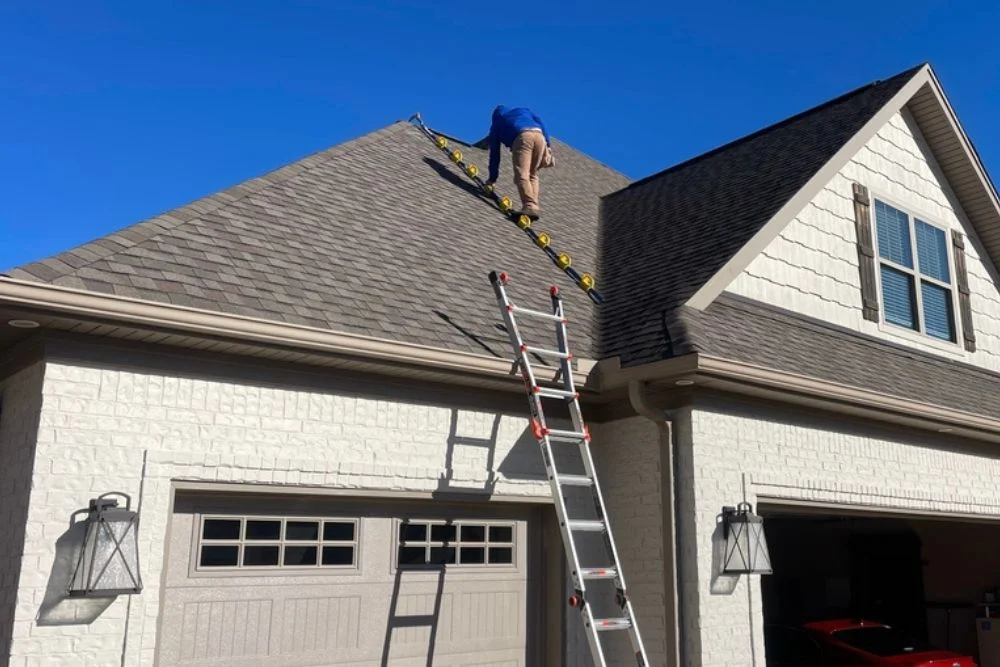
Some basic tasks, like clearing gutters from the ground with a blower or checking for visible damage with binoculars, are reasonable for most homeowners to handle. But the moment any repair requires walking on the roof surface, handling materials, or diagnosing structural issues, the risks shift dramatically.
Falls from roofs are among the leading causes of serious injury and death for do-it-yourself homeowners each year. The cost of a professional repair is always less than the cost of a hospital visit, and the quality of the work is not comparable.
Certain situations make professional intervention not just advisable but necessary. These include any of the following conditions that signal the problem is beyond the scope of safe DIY work:
- Active leaks or water stains on interior ceilings or walls
- Visible sagging, soft spots, or areas of structural compromise
- Multiple missing or damaged shingles across a wide area
- Flashing that has separated, rusted, or pulled away from seams
- Moss, algae, or lichen growth covering significant roof surface area
- Any damage identified after a severe weather event
Homeowners also benefit from knowing what questions to ask about roof vent systems, which are a frequent source of moisture intrusion and energy inefficiency when improperly maintained. Reviewing what homeowners should know before replacing or installing roof vents helps clarify when ventilation work is part of a broader maintenance or repair need.
Connecting with a vetted contractor through a trusted platform means you can get a clear, itemized assessment of your roof’s condition without worrying about whether the roofer showing up is qualified to diagnose it accurately. A pre-screened professional brings both the tools and the liability coverage to handle the job correctly, protecting you from additional expenses caused by substandard workmanship.
You can review roof vent installation and replacement to understand how ventilation connects to overall roof health before scheduling your next professional assessment.
Frequently Asked Questions About Roof Longevity and Upkeep
These are some of the most common questions homeowners ask when thinking through their roofing care responsibilities:
How many years does a roof typically last?
Most asphalt shingle roofs last between 20 and 30 years, depending on climate, installation quality, and how consistently the roof has been maintained. Metal and tile roofs can last 40 to 70 years with proper care and periodic professional inspections.
Does a 30-year shingle actually last 30 years?
The 30-year rating refers to the shingle’s potential lifespan under ideal conditions, including proper installation, adequate ventilation, and regular maintenance. In practice, many 30-year shingles need replacement sooner due to harsh weather, poor attic ventilation, or deferred repairs.
What is the number one cause of roof leaks?
Failed or improperly installed flashing around chimneys, skylights, vents, and valleys is the most common source of roof leaks. Even a small gap in flashing allows water to penetrate beneath the surface layer and damage the decking and insulation below.
What damages a roof the most over time?
Prolonged moisture exposure, combined with UV radiation and temperature cycling, causes the most cumulative damage to roofing materials. Biological growth like moss and algae accelerates this process by trapping moisture against the surface and lifting shingle edges over time.
What can homeowners spray on a roof to help it last longer?
Zinc sulfate solutions and algae-resistant roof sprays are commonly applied to slow moss and algae growth on shingle surfaces. Roof coatings designed for asphalt or flat roofs can also seal micro-cracks and reflect heat, extending material life when applied by a trained professional.
Is it normal for a roof to leak during heavy rain?
A properly functioning roof should never leak, even during heavy rain, so any leak during a storm is a sign of existing damage that requires prompt professional attention. Common causes include cracked flashing, missing sealant, or shingles that have lifted or deteriorated enough to allow water infiltration.
Key Takeaways on Roof Maintenance Tips
- Following consistent roof maintenance tips, including biannual professional inspections, is the most effective way to extend your roof’s service life and prevent costly repairs.
- Each season brings specific roofing risks, and addressing them on a scheduled basis prevents the kind of cumulative damage that shortens a roof’s lifespan significantly.
- Regular upkeep by licensed professionals protects manufacturer warranties and provides documentation useful for insurance claims after storm events.
- DIY roof work carries serious fall hazards; any task involving walking on the roof surface or diagnosing structural issues should always be handled by a qualified contractor.
- Roof coatings, moss treatments, and ventilation improvements are all professional-level maintenance tasks that add measurable years to a roof’s functional life.
- Using a pre-screened contractor matching service eliminates the guesswork of finding a trustworthy, licensed roofer and ensures the work is backed by proper insurance coverage.
Your roof works continuously to protect your home, and giving it consistent professional attention is one of the highest-return investments a homeowner can make. Small maintenance costs today prevent major structural expenses tomorrow, and the relationship you build with a trusted roofing contractor pays dividends over the full life of your home.
When you are ready to connect with a licensed roofing professional in your area, American Home Quotes makes the process straightforward and stress-free by matching homeowners with pre-screened, vetted contractors who carry verified credentials and customer reviews.
You can also call 1-877-299-0515 to speak directly with a representative who can help you find qualified roofing professionals in your ZIP code. American Home Quotes is free to use, with no obligation, and connects you with multiple contractors so you can compare quotes and make a confident, informed decision. Getting the right professional on your roof starts with one simple step.
External Sources
- Better Business Bureau: Tips to find a reliable and trustworthy general contractor