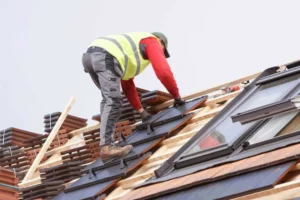
Seeing wear on a roof raises urgent questions about safety, water intrusion, and unexpected costs. The clearest signs roof needs to be replaced typically include widespread shingle failure, frequent leaks after storms, sagging decking, and daylight visible in the attic.
A licensed roofing contractor can confirm whether repairs will safely extend life or if full replacement is the smarter investment, using ladder inspections, attic checks, moisture readings, and documented photos. Acting now limits interior damage, protects resale value, and can reduce total costs by avoiding emergency tear-offs.
Professional crews follow manufacturer specifications, use fall protection, and provide written scopes and warranties so you know exactly what is being installed and why. That level of transparency is hard to achieve with unvetted providers who may skip permits or overlook ventilation, leading to premature failure. Partnering with a reputable contractor means safer work sites, reliable materials, and fewer surprises on the final invoice. If your roof is showing broad deterioration, scheduling a qualified assessment is the quickest path to a safe, code-compliant solution.
Visible Roof Damage That Signals Immediate Replacement
Signs roof needs to be replaced: major surface failures usually mean the roof has reached the end of its service life or suffered storm trauma that repair cannot reliably correct. Look for shingle fields with curling, cracking, granule loss, exposing asphalt, missing tabs, or large patches blown away, as well as brittle or loose flashing around chimneys and vents. On tile or slate, multiple broken or slipped pieces across planes indicate compromised water shedding and higher leak risk.
Metal systems with widespread corrosion, open seams, or punctures from debris can also require panel replacement rather than patches. When decking feels soft underfoot or a ridge appears bowed, the structure underneath may be compromised. A licensed roofer will inspect the roof, and the attic to verify the source and scope of damage before recommending replacement. Using a vetted matching platform like American Home Quotes helps you quickly connect with insured pros who document findings and provide clear, comparable proposals.
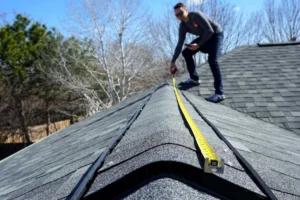
Experienced contractors know where failure often hides and which issues demand a full tear-off to restore performance and warranty coverage. Expect them to check underlayment condition, fastener patterns, flashing terminations, and ventilation balance, then align recommendations with local code and manufacturer requirements. They will photograph defects, measure slopes and planes, and estimate material quantities to eliminate guesswork in pricing and scheduling.
Routine checkups keep damage from compounding, and the case for urgency becomes stronger when multiple problem types appear together. For guidance on preventative assessments, it helps to review why inspections matter, and the point is reinforced in this resource on regular residential roof inspections and their value. Clear, photo-backed bids, detailed scope notes, and proof of licensing and insurance build confidence that you are making the correct decision.
Reputable, pre-screened contractors also outline timelines, site protection plans, and what to expect on installation day so you can plan around weather and home access.
When you are weighing urgent surface issues, use this quick replacement readiness check to focus your next steps:
- Multiple leaks are showing in different rooms
- Widespread missing, cracked, or curled shingles
- Soft decking or visible roof sagging
- Damaged flashing across several penetrations
Persistent Roof Leaks and Water Damage Inside Your Home
Recurring interior stains point to failures that sealants and spot repairs rarely fix for long. Water follows gravity and structure, so a stain in a hallway can originate at a valley, skylight curb, or ridge several feet away, making leak tracing risky for DIY attempts. Professionals test suspect areas, lift select shingles to inspect underlayment, probe wood with moisture meters, and examine attic insulation for dampness patterns.
If leaks appear after every moderate rain or in multiple locations, the roof system may be too deteriorated to justify piecemeal patches. Chronic moisture also invites mold growth, rusted fasteners, and insulation clumping that reduces thermal performance. A vetted contractor provides a root-cause analysis, separating flashing defects from systemic shingle or membrane failure to determine if replacement is the dependable solution.
Matching through American Home Quotes helps ensure the pro you choose is licensed, insured, and experienced with complex leak diagnostics on both steep-slope and low-slope roofs.
When a roof is beyond practical repair, contractors specify a replacement that solves the water path, strengthens flashing details, and restores underlayment integrity. They will review ventilation upgrades, ice and water barrier placement, and durable flashing metals to avoid repeating the same problems.
For certain low-slope areas or additions, a specialty system can improve waterproofing, and you can learn how a fluid-applied option works by reviewing this explainer on spray foam roof installation basics. Experienced crews stage tarps and interior protection, schedule tear-off windows during dry weather, and maintain open communication if conditions change mid-project. Transparent contractors show you photos of deck condition once exposed and secure approval if scope changes are needed to maintain quality.
With vetted bids in hand, you can compare labor, materials, warranties, and cleanup commitments before authorizing work. This approach reduces disruption, protects your belongings, and gives you a lasting, watertight result.

Age of Your Roof and Widespread Shingle Deterioration
Most asphalt shingle roofs last 15 to 30 years, depending on climate, ventilation, and material grade, and reaching the upper end of that range demands closer monitoring. When a roof nears its expected life and shows balding shingles, thermal cracking, and loss of pliability, full replacement often outperforms repeated repairs.
Aging systems are more vulnerable to wind uplift, nail pull-through, and flashing fatigue, which can escalate minor issues into interior water damage. A licensed roofer will evaluate multiple planes and orientations, since south- and west-facing slopes typically degrade faster under UV exposure.
They will also check attic ventilation and intake-to-exhaust balance, because heat buildup can cook shingles and shorten service life. If lifespans are nearly exhausted across the field, replacing now helps you control timing and budget instead of reacting to the next storm. Using American Home Quotes to find prescreened contractors adds a layer of accountability that protects you from low bids with cut corners.
Budget planning is easier when you understand how material choices affect pricing, warranties, and durability, and reputable pros will help compare apples to apples. They often present good, better, and best packages that clarify underlayment upgrades, enhanced flashing kits, and ventilation corrections. To estimate a realistic price range for your home and material type, you can reference this guide on the average cost of roof replacement by material.
Full replacement also gives you the opportunity to correct prior installation mistakes and bring the system up to current code requirements.
Clear contracts should outline tear-off, deck repairs, ice barrier placement, valley treatments, and disposal, with any allowance items listed for transparency. Ask about crew size, daily start and stop times, and weather contingencies so you know how many days to expect for completion. If you notice common signs roof needs to be replaced while your roof is already near its lifespan, replacement is typically the safest and most cost-effective path.
Rising Energy Bills and Structural Roof Warning Signs
Unexpected energy spikes can signal roof system issues that allow heat to enter in summer and escape in winter. Poor ventilation, heat-soaked attics, and wet or depleted insulation force HVAC systems to run longer, increasing utility costs and wear on equipment. Contractors evaluate vents, baffles, and soffit intake, then recommend balanced solutions that reduce attic temperature and moisture levels. They also inspect for rafter sag, ridge dips, and sheathing deflection, which suggest structural load or long-term moisture problems best solved during replacement.
A thorough proposal should address insulation, air sealing at penetrations, and proper underlayment to protect the building envelope. For homeowners targeting efficiency gains with a re-roof, it helps to review options, and that perspective is covered in this resource on exterior roof insulation benefits, costs, and installation. Matching with vetted pros through American Home Quotes streamlines selection, ensuring the contractor you hire is qualified to correct both thermal and structural concerns.
During replacement, reputable roofers integrate ventilation upgrades, seal attic bypasses, and verify that insulation remains dry and properly distributed around can lights and chases. They replace compromised sheathing and correct framing irregularities, setting a flat, strong plane for the new roofing material. Expect them to propose ridge and soffit ventilation sized to code and manufacturer specs, improving comfort and shingle life.
Energy efficiency improvements often qualify for utility rebates or tax incentives, and knowledgeable contractors can point you toward applicable programs. If your roof was storm-damaged, they can coordinate with insurance adjusters and supply documentation that supports scope and pricing. Transparent bids should break out labor, materials, disposal, and optional upgrades so you can make informed tradeoffs. With the right partner, you get a safer structure, a cooler attic, and energy bills that trend back to normal.
When balancing comfort and cost, use this practical checklist to decide if efficiency upgrades should be included with a re-roof:
- Balanced ridge and soffit ventilation
- Air sealing at attic penetrations
- Appropriate insulation R-value
- Reflective or high-SRI shingles were suitable
Frequently Asked Questions About Roof Replacement Warning Signs
Use these concise answers to make confident decisions during your roof assessment and contractor selection:
-
What interior clues suggest the roof is failing?
Look for new or expanding ceiling stains, peeling paint, musty odors, or damp attic insulation after rain. Daylight visible at the roof deck or around penetrations also indicates water pathways.
-
How fast should a replacement be scheduled after storm damage?
Schedule a licensed inspection within 24 to 72 hours to document damage before it worsens. If multiple slopes are compromised, plan replacement as soon as weather and materials allow.
-
Can targeted repairs extend the life of an older roof?
Repairs can buy time if damage is isolated and the field shingles remain pliable and well-bonded. When deterioration is widespread, a full replacement is more reliable and cost-effective.
-
What warranties should come with a new roof?
Expect a manufacturer’s material warranty plus a labor warranty from the installer, both in writing. Enhanced warranties may require certified installers and specific underlayment or ventilation details.
-
How do contractors diagnose hidden moisture issues?
They combine attic inspections, moisture meters, infrared cameras, and controlled water tests to trace leaks. Photo documentation and clear explanations help separate cosmetic issues from system failures.
-
What permits or code items matter during replacement?
Most jurisdictions require a roofing permit, proper ice and water barriers, and compliant ventilation. A reputable contractor will handle permitting and schedule inspections to close out the job.
Key Takeaways on Signs Roof Needs to be Replaced
Keep these points in mind when deciding between repair and replacement:
- Widespread surface damage, chronic leaks, or sagging often indicate a roof is beyond practical repair.
- Licensed contractors provide safe inspections, clear documentation, and code-compliant solutions backed by warranties.
- Prescreened matches save time and reduce risk by connecting you to vetted, insured professionals quickly.
- Budgeting improves when bids are detailed, photo-backed, and transparent about labor, materials, and contingencies.
- Efficiency upgrades during replacement can lower utility bills and improve indoor comfort.
- Proactive action prevents interior damage, mold growth, and emergency tear-offs in bad weather.
Understanding your options and verifying the true condition of your roof protects your home and your budget when seeing signs roof needs to be replaced. You can also learn about material choices for low-slope areas by reviewing how modern membranes perform in this overview of PVC roofing systems and their durability. With a trusted pro, the path from diagnosis to installation becomes clear and predictable.
For fast, reliable help connecting to qualified contractors, call 1-877-299-0515 or visit American Home Quotes. The platform prescreens licensing, insurance, and reviews so you receive competitive, comparable bids without the guesswork. Compare options, confirm timelines, and choose a pro who meets your standards for safety, quality, and value. Getting expert support today helps prevent costly damage tomorrow.
External Sources
- BrokerCalls: How Roofing Contractors Build a Reliable Lead Pipeline
- BrokerCalls: Can Roofing Contractors Get Leads Directly from Insurers?
- BrokerCalls: Roofing Leads