
Pittsburgh Homeowner’s Guide to Hiring and Working With General Contractors
How do local codes affect energy-efficient construction in Pittsburgh?
In Pennsylvania, contractors coordinate all trades for seamless results. That coordination is essential in Pittsburgh, where older brick and wood-frame homes meet river-valley humidity, winter cold snaps, and quick spring thaws. While specific code details are handled during plan review, energy-minded work typically centers on a tight building envelope, balanced ventilation, and moisture control so the home stays comfortable through seasonal swings without inviting condensation or mold. A good general contractor will line up the right trades—insulation, HVAC, electrical, roofing—and schedule them so air sealing and weatherproofing are completed before finishes, preventing callbacks and protecting budgets.
For many Pittsburgh houses, air leaks concentrate at rim joists, attics, and around original windows and doors. Careful sealing and appropriately rated insulation make a noticeable difference, but so does attention to venting in attics and bath areas to keep moist interior air from reaching cold surfaces. Masonry exteriors common in city neighborhoods also require breathable strategies, so the wall assembly can dry to at least one side. In hilly neighborhoods, wind-driven rain tests siding and flashing, so contractors prioritize durable details at roof edges, chimneys, and step flashing. Expect conversations about blower-door testing, right-sized HVAC, and insulation choices that suit the home’s age and materials. The result is a tighter, drier house that rides out Pittsburgh’s freeze–thaw cycles while controlling utility costs.
How do general contractors estimate project costs in Pittsburgh?
Most Pittsburgh estimates begin with scope clarity, site conditions, and the home’s age. A contractor then layers in local labor, material availability, and seasonal scheduling realities.
From there, a competitive Pittsburgh estimate generally includes line items for demolition, structural work, trades, finishes, and project management. Allowances are used where final selections are pending—tile, fixtures, or appliances—so the number can be refined without reworking the entire bid. Older city homes often require contingency planning for hidden conditions behind plaster or under flooring, so responsible bids include a reasonable reserve and spell out how change orders are priced. Lead times matter in the region; river-valley weather can squeeze exterior schedules, and specialty items may arrive slower during winter. Reputable contractors document assumptions, list exclusions, and reference a preliminary timeline to help homeowners see how cost tracks with sequence. Clarity reduces surprises and gives Pittsburgh homeowners a reliable yardstick when comparing multiple bids.
- Ask for a line-item estimate with clear allowances and unit costs for common changes.
- Request at least one site walkthrough focused on access, staging, and material delivery constraints.
- Confirm a contingency plan for hidden conditions typical of older Pittsburgh homes.
- Review a draft schedule that reflects seasonal weather and supplier lead times.
What payment schedule protects homeowners during renovations in Pittsburgh?
A steady, milestone-based schedule keeps work moving while safeguarding homeowner funds. A modest deposit can reserve the calendar and order long-lead materials; after that, payments should correspond to visible progress such as completion of framing, rough-ins, drywall, and finishes. Holding a small retainage until the punch list is resolved keeps quality top of mind. For example, a homeowner renovating a 1920s kitchen might tie draws to demo/rough-in completion, passed inspections, cabinet installation, and final fixtures—rather than paying simply by weeks on site.
Clear paperwork protects everyone. Each invoice should reference the estimate, list completed milestones, and attach change orders if scope shifted. Collecting lien waivers from subcontractors with every progress payment helps ensure all parties are paid. Avoid large upfront payments that exceed mobilization and materials needs, and insist on written proof that special-order items have been purchased before releasing funds. The aim is simple: steady progress, proper documentation, and a predictable closeout with a well-defined punch list and warranty handoff.
How to inspect storm-damaged structures before renovation in Pittsburgh? (explained for local homeowners)
After wind, hail, or heavy downpours along the rivers, a careful assessment sets the stage for safe, efficient repairs. A general contractor can coordinate a structured check that prioritizes hazards, documents damages, and sequences restoration work before cosmetic upgrades begin.
Roof and exterior shell: Start with roofing, flashing, gutters, and downspouts—areas stressed by freeze–thaw and wind over the city’s hills. Look for missing shingles, bent drip edge, clogged leaders, and step-flashing gaps at dormers and chimneys common to older Pittsburgh homes. Masonry and foundations: Inspect brick and stone for spalling, hairline cracking, and mortar washout, then confirm that grading and downspout extensions push water away from foundations to prevent river-valley runoff from entering basements. Interiors and systems: Inside, check attic sheathing for dark stains, ceilings for fresh cracks, and around windows for dampness. Electrical panels and mechanical equipment should be evaluated if any water intrusion is suspected. Proper sequencing means stabilizing structure and weatherproofing first, then addressing mechanicals, insulation, and finishes. Keep your home protected with regular contractor check-ins in Pittsburgh. Find local general contractors in Pittsburgh for your next renovation.
Frequently Asked Questions About general contractors in Pittsburgh, Pennsylvania
-
What insulation and air-sealing upgrades make sense for drafty Pittsburgh brick homes?
Air sealing at rim joists, attics, and window/door openings often delivers the fastest comfort gains in older city houses. Contractors typically pair targeted sealing with appropriate insulation and balanced ventilation so masonry walls can dry and winter condensation is avoided. Attention to flashing and attic venting helps the home ride out freeze–thaw cycles common in the region.
-
How do Pittsburgh contractors build a reliable budget when material prices change?
Detailed line items, clearly labeled allowances, and a documented contingency allow budgets to flex without derailing the project. Reputable contractors also identify assumptions, supplier lead times, and weather-sensitive phases so timelines and costs stay aligned. Regular check-ins and written change orders keep decisions transparent as selections are finalized.
-
Is a small deposit and milestone billing standard for renovations in the city?
Yes, a modest deposit for scheduling and materials followed by milestone-based progress payments is a homeowner-friendly approach. Draws tied to visible achievements—rough-ins passed, drywall complete, finishes installed—reduce risk. Holding retainage until the punch list is complete and collecting lien waivers adds another layer of protection.
-
After a river-valley thunderstorm, what damage should be checked before starting repairs?
Roofing, flashing, gutters, and downspouts should be reviewed first, followed by masonry, grading, and foundation drainage. Inside, look for moisture at ceilings, around windows, and near mechanicals if water intrusion is suspected. A contractor-led inspection documents issues and sequences stabilization before cosmetic work.
-
When is the best season to schedule exterior work in Pittsburgh’s climate?
Exterior projects typically run most smoothly from late spring through early fall, when temperatures and humidity are more predictable. Contractors plan roofing, siding, and masonry work around rain patterns and freeze–thaw cycles, reserving colder months for interior tasks. Scheduling buffers help accommodate sudden weather shifts common in the region.
Top Rated General Contractor Contractors in Pittsburgh
Based on verified ratings, recent review activity and license standing. How we pick
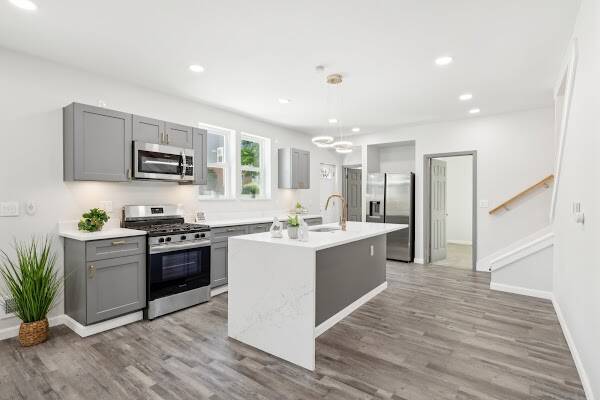 +3 photos
L&C builders Contractors
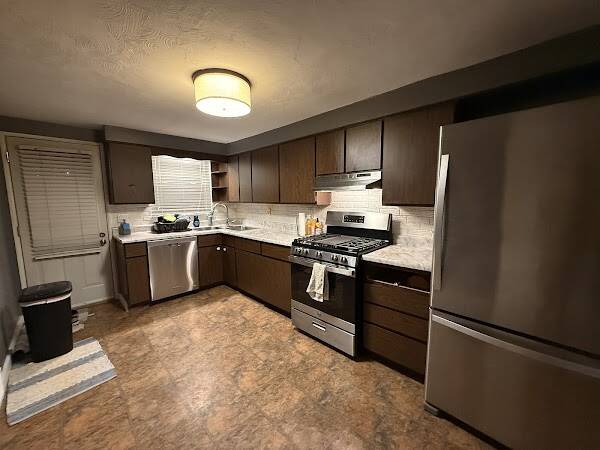
Renewed Homes – Kitchen Remodeling Pittsburgh
Why: Strongest review activity in the last 90 days.
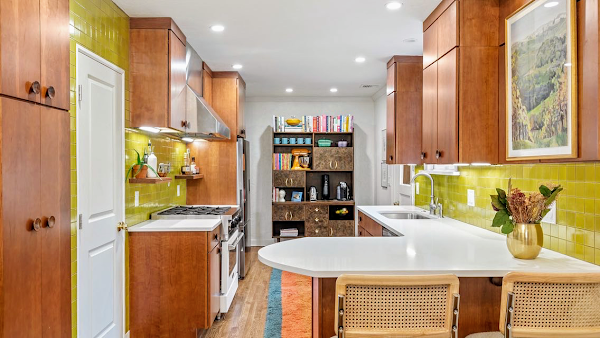
Integrated Contracting and Renovations
Why: Specialist with a long local track record.
All General Contractors contractors in Pennsylvania
General Contractors contractors in other Pennsylvania cities
- Abington
- Allentown
- Bensalem
- Bethlehem
- Center City
- Erie
- Harrisburg
- Lancaster
- Levittown
- Philadelphia
- Reading
- Scranton

