
Mesa Homeowner’s Guide to General Contractors and Smarter Projects
Which roofing and exterior materials reflect heat best in Mesa?
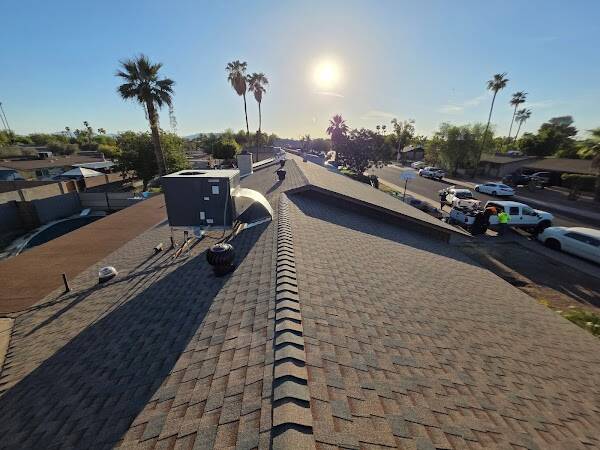
In Arizona, project management is key to construction success. That starts at the top—your roof—and the way it handles our long, bright summers and the sudden wind-and-rain bursts that come with the monsoon. In Mesa, light-colored, high-reflectance roofing surfaces make a noticeable difference because they bounce back a lot of solar energy before it can soak into your attic. If your home has a flat or low-slope roof (common on older ranch houses and some townhomes east of Tempe and near the Salt River Pima–Maricopa Indian Community), a spray polyurethane foam roof finished with a bright white elastomeric coating is a proven local choice; it reflects heat and seals tiny cracks that show up as the stucco and parapets expand and contract. For the many tile-roof homes you see from Gilbert Road to Las Sendas, consider lighter concrete or clay tiles installed over raised battens—those small air gaps help vent heat and can keep attic temps more manageable. If you’re considering shingles, ask your contractor about “cool roof” shingle lines in lighter beiges or off-whites, and pair them with a radiant barrier or high-performance underlayment that stands up to UV exposure and the dust that rolls in during monsoon season.
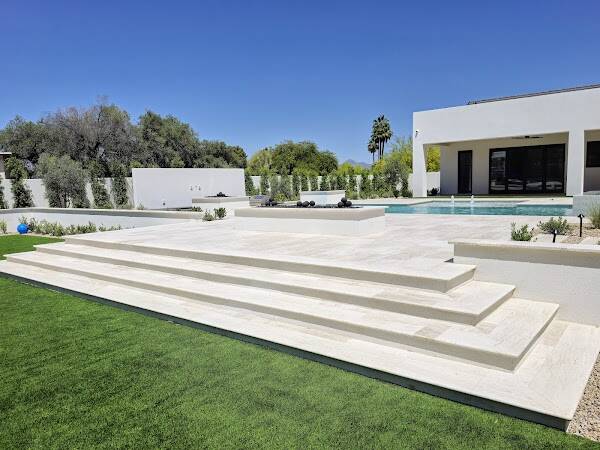
Exterior walls matter, too. Mesa has a lot of stucco over block and wood-frame construction, and repainting with a quality light-toned, UV-stable coating reduces heat absorption while protecting hairline stucco cracks that tend to show as the day swings from hot afternoons to cooler nights. Upgrading windows to spectrally selective low-e glass helps, but shade is the local hero—fixed awnings, well-placed pergolas, and professionally installed shade screens on western exposures cut late-day heat without boxing you in. Don’t overlook attic ventilation; balanced intake at the eaves and efficient exhaust at the ridge or high gables reduce trapped heat that bakes your ceiling drywall. Around patios and pool decks, choose lighter pavers or concrete finishes that stay kinder underfoot and reflect rather than store heat. A simple local test I like: set sample tiles, shingles, or paint swatches in direct Mesa sun at midday and touch them after 20 minutes—you’ll feel the difference your home will live with for years.
How to phase interior remodels to maintain comfort in Mesa heat?
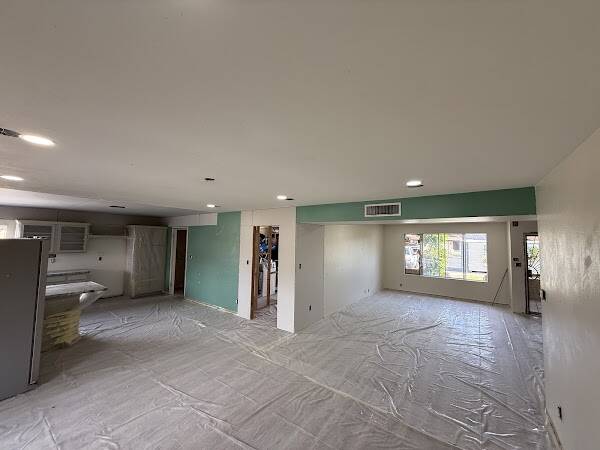
Keeping a home livable during a remodel in Mesa is all about sequencing work around our climate and the way our houses hold heat. Start by dividing the project into zones so you’re never without a functional kitchen and at least one bathroom; in many East Valley homes, a hall bath can be finished first to give you a comfortable fallback while the main suite is under construction. When crews need the attic—running new ductwork over those older block homes, for instance—schedule that work for early mornings, then shift to shaded interior spaces after lunch when roof decks and garages are radiating heat. Protect your cooling system by isolating return-air grilles with temporary plastic and swapping in a fresh, higher-quality filter weekly during heavy dust-producing work, because Mesa’s fine desert dust finds its way everywhere. Plan noisy or open-door tasks, like demo or material deliveries, for the coolest part of the day to keep conditioned air from rushing out and to avoid working against your thermostat. If a full HVAC shutdown is unavoidable, a portable AC for one closed-off room gives you a cool retreat for kids, pets, and sanity.
Simple habits go a long way during a summer remodel here. Keep window coverings closed on west-facing rooms after late morning, and ask your contractor to install zipper-door barriers to limit hot air and dust migration between zones. Stage tools and saws outside under a canopy to keep indoor heat loads down, and use LED work lights instead of halogens that add unnecessary warmth. For flooring replacements, complete rooms in a leapfrog pattern—living room one week, bedrooms the next—so furniture can rotate and you’re never scrambling in a hot garage at 5 p.m. In older Mesa ranch homes with low-slope roofs, let spaces cool overnight before taping and mudding drywall, which sets more predictably when the room isn’t heat-soaked. A good general contractor will build this kind of phasing into the calendar, adjusting for the monsoon window when humidity and sudden storms complicate open walls and attic work.
What should a general contracting agreement include in Mesa?
A clear, local-savvy contract protects your budget and your timeline. It should spell out a detailed scope of work by room or system, with named materials and allowance amounts for items that you’ll choose later, like tile or fixtures, so there’s no guesswork when selections land. Include a realistic schedule that accounts for Mesa’s climate—roof tear-offs and exterior paint should be timed outside of active monsoon cells when possible, and attic-intensive tasks should be slotted in mornings. The agreement needs to state who handles permit applications and inspections, how change orders are requested and priced, and the documentation you’ll receive at each progress billing, including signed lien waivers from the contractor and any major subcontractors. Proof of current general liability and workers’ comp coverage is non-negotiable, and the contract should confirm the contractor’s Arizona license classification and number. I also like to see jobsite protection called out: dust control inside the home, daily cleanup so that fine desert grit isn’t tracked through the house, and a plan for securing materials from sudden winds common in the East Valley.
Neighbor and HOA considerations are worth naming because Mesa lots run the gamut—from quiet cul-de-sacs near Chandler and Gilbert to more rural edges toward Apache Junction. Your agreement can specify work hours, parking areas, and any wall or gate access to keep the peace. For products with longer lead times, such as custom windows or specialty doors, put the ordering trigger and expected timelines in writing so the calendar doesn’t slip after demo. Warranties should be listed by trade—roofing, stucco, mechanical, and finishes—with who services them if an issue pops up. Finally, agree on a punch-list process and final documentation set with manuals, paint formulas, and photo records of concealed work before it’s covered. If you’re comparing options, American Home Quotes (AHQ) is a straightforward way to request bids from multiple licensed Mesa contractors and see how their scopes, schedules, and communication styles stack up side by side.
Which construction projects legally require a licensed contractor in Mesa?
In Mesa and across Arizona, the line is simple in spirit: work that affects life safety, building systems, or requires a permit is expected to be handled by a properly licensed contractor. That commonly includes structural changes like removing or altering load-bearing walls, additions, and major roof work beyond basic maintenance. Electrical, plumbing, and HVAC alterations—adding circuits, relocating outlets, setting a new service panel, replacing a water heater, running gas lines, or rerouting ducts—fall in the licensed category because they touch regulated systems. Window and door replacements that change sizes or framing, new pools or hardscape with integrated lighting, and masonry or retaining walls of significance also typically call for licensed pros. Even when a task seems small, if the city requires an inspection, you’ll want the person doing the work to be licensed, insured, and ready to meet the inspector on your behalf. Because neighborhoods in Mesa range from older mid-century blocks to newer master-planned communities, conditions behind the walls can vary widely, making licensed expertise even more important when surprises come up.
The safest way to confirm is to check your specific address and scope with the City of Mesa before work begins and verify licensure with the Arizona Registrar of Contractors. A reputable general contractor will tell you upfront which parts they will self-perform and which licensed trades they will bring in, and they’ll coordinate inspections so you don’t have to. If you’re collecting bids, ask each contractor to note in writing where permits are anticipated and how those fees and scheduling are handled in the timeline. For small cosmetic projects that truly don’t touch structure or systems, a handyman may be appropriate, but it’s still wise to confirm insurance and references given our desert environment’s unique stresses on materials. If you need a quick comparison of qualified teams, use AHQ to solicit proposals and validate license status before you choose. Don’t let project problems disrupt your life—call a pro in Mesa. Get a fast quote for construction in Mesa.
Top Rated General Contractor Contractors in Mesa
Based on verified ratings, recent review activity and license standing. How we pick
 +3 photos
Guardian Contracting Group
GreenMart Design & Landscape
Why: Strongest review activity in the last 90 days.
Arce’s Construction
Why: Specialist with a long local track record.
All General Contractors contractors in Arizona
General Contractors contractors in other Arizona cities
- Peoria
- Maryvale
- Phoenix
- Lake Havasu City
- San Tan Valley
- Goodyear
- Scottsdale
- Glendale
- Surprise
- Gilbert
- Tempe
- Flagstaff
- Tempe Junction
- Encanto
- Tucson
- Deer Valley
- Yuma
- Chandler
- Ahwatukee Foothills
- Central City

