
Longmont Homeowners’ Guide to Hiring a General Contractor
Which construction techniques make homes more storm-resistant in Longmont?
In Colorado, safety and compliance are always top priorities. In Longmont, that starts with building for wind, hail, freeze–thaw cycles, and the spring snow that can load a roof even when the streets look clear. With Longs Peak visible on the skyline and open plains to the east, gusty fronts can work uplift on weak roof edges, so I look for a continuous load path: properly sized anchors at the foundation, metal connectors at floor and roof framing, and tight nailing patterns on roof and wall sheathing. A sealed roof deck with taped seams or underlayment plus ice-and-water protection at eaves, valleys, and along roof-to-wall joints helps prevent leaks when wind-driven rain or wet snow backs up. Impact-resistant roofing (Class 4 asphalt or standing-seam metal) and reinforced garage doors reduce hail damage and pressure failures, while balanced attic ventilation paired with solid air sealing minimizes ice dams during sunny winter days and cold nights. Good wall assemblies matter here too; fiber-cement or engineered wood siding over a ventilated rainscreen dries out better after sideways rain than direct-applied finishes, and proper pan flashing at windows keeps meltwater from sneaking into sheathing. Quick comparison, pros and cons: Class 4 asphalt shingles—pros: cost-effective, easier repairs; cons: shorter lifespan than metal, granule loss after hail. Standing-seam metal—pros: sheds snow, resists hail denting better than thin aluminum; cons: higher upfront cost, noise if not detailed. Fiber-cement siding—pros: hail and fire resistant; cons: heavier, needs precise flashing. Vinyl—pros: economical; cons: brittle in hail and UV. If you’re near the St. Vrain Creek corridor or in areas with higher groundwater, pair storm detailing with drainage: continuous gutters, 5–10 feet of downspout extensions, positive grading, and a sump with a reliable discharge route.
How long does it take to get a building permit approved in Longmont?
Longmont is a home-rule city, so your permit is reviewed locally, and actual timelines depend on scope, season, and how complete your submittal is on day one. Simple, like-for-like repairs with clear documentation can move faster than additions, structural work, or projects in areas that trigger floodplain, utility, or zoning reviews. Properties within the city limits but on the Weld County side sometimes involve different utility coordination than the Boulder side, which can add steps even though the city still administers the permit. After a hailstorm, application volume spikes and plan queues grow, so planning ahead—and booking inspections early—saves weeks of back-and-forth. The fastest approvals I see share three traits: a clean set of drawings that match the scope, product cut sheets for key items like roofing and windows, and a contractor who responds promptly to plan-check comments. A practical path is to schedule a pre-application conversation with the city, verify whether your project touches easements or the St. Vrain floodplain, and confirm the current target review times posted by the building department before you set your start date. Pros and cons of who pulls the permit: contractor-managed—pros: fewer surprises, coordinated responses to reviewers; cons: you rely on their pace. Owner-pulled—pros: direct visibility; cons: you own questions about codes and submittals, which can slow things if you’re new to the process.
Which red flags indicate poor contractor communication in Longmont?
When I’m called to diagnose projects that went sideways in Longmont, the clues usually appeared before demolition ever started. A major red flag is a contractor who minimizes permits or “doesn’t think the city needs to see this,” despite Longmont’s local oversight and inspection schedule. Another is silence on local conditions—if they can’t articulate how they’ll handle wind uplift at roof edges, hail-resistant materials, or freeze–thaw drainage, they’re not planning for our climate. Vague scopes with big allowances but no line-item detail lead to surprise costs, and so do proposals that skip site protection plans for snow, mud, and high winds that can rip off tarps along the Front Range. Watch for thin communication habits: no target schedule with milestones, no single point of contact, and no written change-order process, especially on homes near the St. Vrain where hidden moisture or grading issues are common. If references aren’t truly local or they can’t describe past projects on both the Boulder and Weld sides of the city, proceed carefully. For a quick reality check, you can use American Home Quotes (AHQ) to compare licensed contractors, request sample contracts and daily logs, and see how they document materials and schedule impacts. Small local crews vs. large regional firms in Longmont: small crew pros—stronger accountability and local subs; cons—limited bandwidth during storm season. Large firm pros—more manpower and admin; cons—more handoffs and potential miscommunication.
How to inspect storm-damaged structures before renovation in Longmont?
Where do you start after hail and a wind event rolls off the foothills and across Longmont? Begin with safety: if there’s roof sagging, the smell of gas, or live electrical near water, get utilities secured and keep people out until it’s stabilized. From the exterior, scan roofs facing west and north for shingle bruising, popped fasteners at ridge caps, bent drip edge, and soft spots along eaves where ice dams form; then check the attic for daylight at penetrations, wet insulation, and sheathing stains that track back to flashing. Look at soffits, fascia, and siding for impact spalls and wind-driven water tracks; at windows and doors, inspect the corners for sealant failure and look for condensation between panes that signals broken seals. Inside, map any ceiling stains, stair-step cracks at drywall corners, and uneven floors near exterior walls—the freeze–thaw cycle and expansive soils common along the Front Range can amplify movement after heavy moisture. Don’t forget drainage: clogged gutters dump water right at the foundation, and flat grading or short downspouts near the St. Vrain corridor can push runoff toward basements. Document with photos, measure moisture at suspect areas, and get temporary drying and covers in place before a full remodel plan; then coordinate with your insurer and the city if structural framing, exterior walls, or floodplain concerns are involved. Protect your home with expert construction in Colorado. Contact us for emergency repairs in Colorado.
Top Rated General Contractor Contractors in Longmont
Based on verified ratings, recent review activity and license standing. How we pick
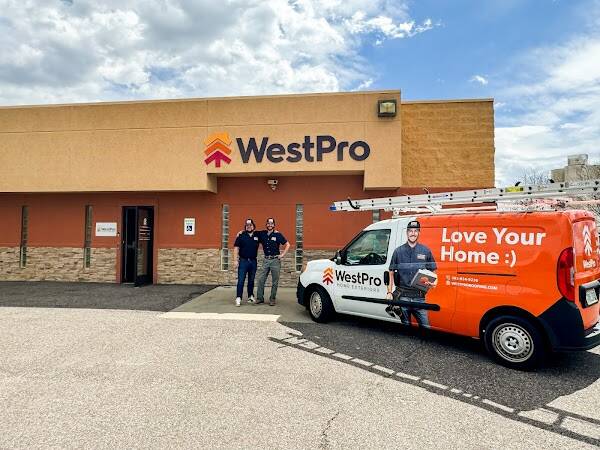 +3 photos
WestPro Home Exteriors
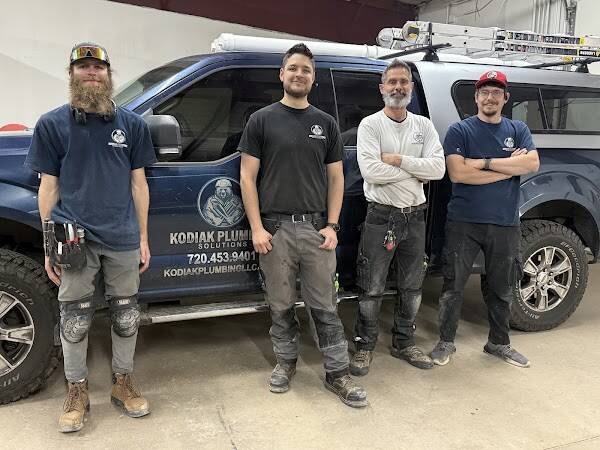
Kodiak Plumbing Solutions, LLC
Why: Strongest review activity in the last 90 days, with 139+ reviews.
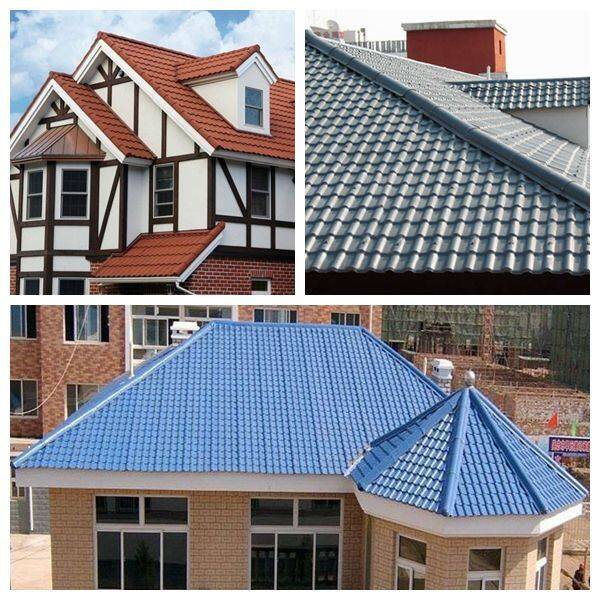
Safe Plus Roofing
Why: Specialist with a long local track record.
All General Contractors contractors in Colorado
General Contractors contractors in other Colorado cities
- Arvada
- Aurora
- Boulder
- Broomfield
- Castle Rock
- Centennial
- Colorado Springs
- Commerce City
- Denver
- Fort Collins
- Grand Junction
- Greeley
- Highlands Ranch
- Lakewood
- Loveland
- Pueblo
- Thornton
- Westminster

