
General Contractors in Springfield, Illinois: A Homeowner’s Guide
Across Illinois, homeowners rely on licensed contractors for remodels, additions, and major repairs, and Springfield residents are no exception. As the state capital and the most populous city in Central Illinois, Springfield serves a metro area of roughly 208,000, with neighborhoods that range from historic blocks near the Capitol to mid-century subdivisions and newer lakeside communities. The city’s location on a broad plain near the Sangamon River, just north of Lake Springfield, brings four distinct seasons and weather that can swing from heavy spring storms to winter freeze–thaw cycles. Those conditions, along with the area’s mix of older and newer homes, shape how projects are planned, permitted, and built. Homeowners often weigh weather resilience, drainage, and long-term maintenance alongside aesthetics. Selecting a contractor who understands these local realities helps projects perform better and last longer in Springfield’s climate and soil conditions.
What happens during a city building inspection in Springfield?
City building inspections in Springfield confirm that permitted work matches approved plans and basic safety standards, and they occur at defined milestones. Early visits often include footing and foundation checks, followed by inspections of framing, electrical, plumbing, and HVAC rough-ins before walls are closed. Inspectors typically look for proper structural connections, safe wiring and venting, correct pipe sizing and support, and appropriate fire-blocking and egress paths. Insulation and air-sealing may be reviewed prior to drywall, while finals verify fixtures, appliances, guardrails, smoke and carbon monoxide detectors, and overall workmanship. Given Springfield’s flat topography and seasonal downpours, site grading, sump discharge, and water management details may draw attention to help reduce moisture issues. Homeowners should ensure safe access, tidy job sites, and the presence of approved plans and permits, as missed details can trigger correction notices and a reinspection.
Which construction techniques make homes more storm-resistant in Springfield?
Storm resilience in Springfield begins with a continuous load path that ties roof, walls, and foundation together using properly sized fasteners, metal connectors, and hold-downs. Roof systems benefit from architectural shingles with enhanced wind ratings, tight roof-deck nailing patterns, sealed sheathing, and ice‑and‑water barriers at eaves and valleys to handle wind-driven rain and freeze–thaw conditions. Quality flashing around chimneys, skylights, and wall intersections, combined with a reliable water‑resistive barrier and rain‑screen details behind siding, helps keep wind-blown moisture out of wall cavities. Impact‑resistant roofing and reinforced windows or storm-rated shutters can improve performance during hail and severe thunderstorms common in Central Illinois. At grade and below, reliable drainage—clean gutters, extended downspouts, sloped soil away from foundations, and a sump pump with battery backup—reduces basement flooding risk during spring cloudbursts. Proper attic ventilation also limits ice dams in winter, while whole‑home surge protection and backup power can improve safety and comfort during outages.
How can Springfield homeowners avoid unexpected construction costs?
Cost surprises are less likely when projects start with a complete, written scope of work, precise drawings, and a line‑item estimate that separates allowances from fixed costs. Homeowners should ask contractors to convert vague allowances—for cabinets, tile, fixtures—into brand, model, and quantity selections before work begins, minimizing price creep. Pre‑construction discovery, such as opening small test areas and planning for possible legacy materials in older homes, reduces change orders once walls come down. Weather and lead times also matter in Springfield; building in buffers for spring storms and ordering long‑lead items early helps crews stay productive and avoid costly delays. Utility locates through Illinois’ 811 service (JULIE) before digging can prevent damage fees and schedule setbacks. Transparent scope, documented changes, and disciplined scheduling are the three pillars of a no‑surprise remodel in Springfield.
What documentation should a contractor provide after final inspection in Springfield?
After final inspection, homeowners should receive proof that the project passed—such as a signed permit card or final approval notice—and copies of any revisions to the approved plans. A complete packet typically includes product manuals, finish schedules, paint and grout formulas, and maintenance instructions for roofing, siding, and exterior sealants. Warranties for roofing, windows, HVAC equipment, and appliances should be transferred with clear start dates and registration details. Final, unconditional lien waivers from the general contractor, subcontractors, and major suppliers help protect the property from future payment claims under Illinois’ mechanic’s lien laws. As‑built drawings or marked‑up plans, along with photo documentation of concealed work (framing, insulation, and rough‑ins), provide a helpful reference for future maintenance or renovations. A reconciled final invoice that accounts for allowances, approved change orders, and credits closes the job cleanly for insurance and resale records.
Your home deserves the best—choose a trusted contractor in Springfield. Book a project planning session in Illinois.
Frequently Asked Questions About general contractors in Springfield, Illinois
-
How long do Springfield home inspections take and what helps them pass on the first try?
Most single‑trade inspections are brief, while multi‑trade or final inspections take longer depending on project size and readiness. Clear access, tidy sites, on‑site approved plans, and completed checklists for framing, MEP rough‑ins, insulation, and safety devices help avoid reinspections.
-
Which roofing and siding choices hold up best to Central Illinois wind and hail?
Architectural shingles with higher wind ratings, sealed roof decks, and impact‑resistant options perform better during severe storms. Quality flashing, a reliable water‑resistive barrier, and proper fastening of siding systems reduce water intrusion and wind damage.
-
What paperwork should homeowners keep after a remodel for insurance and resale in Springfield?
Keep the final inspection approval, signed permit documents, warranties, manuals, and as‑built plans or photos of concealed work. Unconditional lien waivers from contractors and suppliers are also important to protect title and streamline future transactions.
-
What are the most common budget overruns in Springfield renovations and how can they be prevented?
Allowances that are not fully specified, hidden conditions in older homes, and weather‑related delays are frequent drivers of extra cost. Detailed selections, early discovery work, realistic scheduling buffers, and written change‑order procedures help keep spending on track.
Top Rated General Contractor Contractors in Springfield
Based on verified ratings, recent review activity and license standing. How we pick
 +3 photos
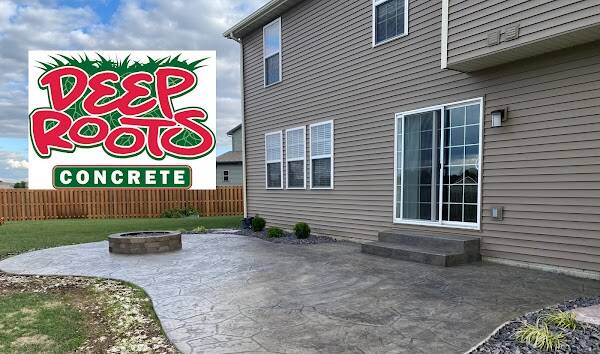
Deep Roots Concrete
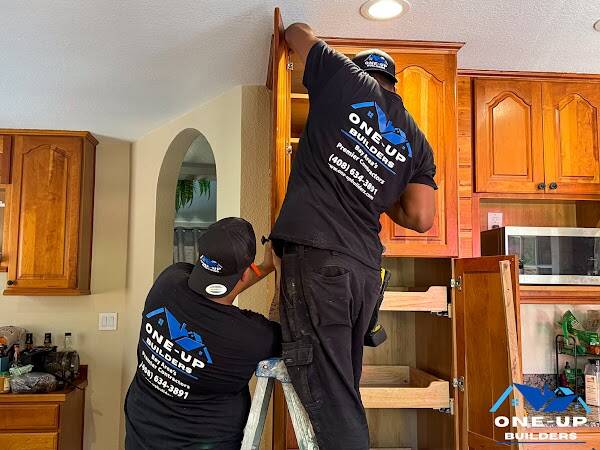
Oneupconstructionandremodeling
Why: Strongest review activity in the last 90 days.
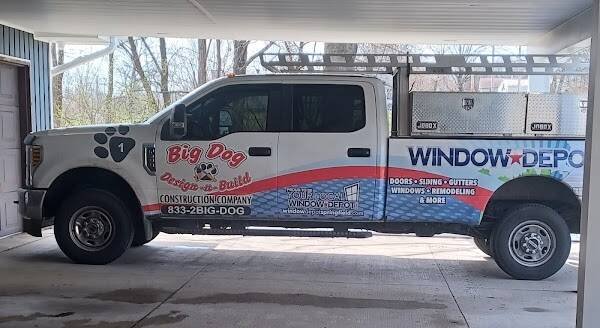
Big Dog Construction: Your Local Window Depot Springfield, IL
Why: Specialist with a long local track record.
All General Contractors contractors in Illinois
General Contractors contractors in other Illinois cities
- Waukegan
- South Lawndale
- West Ridge
- Schaumburg
- West Town
- Rockford
- Arlington Heights
- Peoria
- Aurora
- Palatine
- Belmont Cragin
- North Peoria
- Bloomington
- Near North Side
- Bolingbrook
- Naperville
- Champaign
- Logan Square
- Chicago
- Joliet

