
Your Essential Guide to Mold Services in Springfield, Illinois
Which foundation wall details reduce seepage in Springfield’s soils?
Springfield, Illinois, is known for its clay-rich soils, which can expand and contract significantly with changing moisture levels. This characteristic makes it essential for homeowners to pay attention to foundation wall details that can help reduce seepage. A key aspect is ensuring proper drainage around the foundation. Installing a robust drainage system, such as French drains, can effectively redirect water away from your home, minimizing the risk of seepage. Moreover, sealing foundation walls with a high-quality waterproof sealant can form a protective barrier against moisture intrusion. Regular maintenance of gutter systems to ensure that downspouts direct water at least five feet away from the foundation is also critical. Furthermore, grading the landscape to slope away from the house can prevent water accumulation around the foundation. These strategies are vital in Springfield to protect homes from the prevalent moisture issues caused by the local soil conditions.
Which exterior finish failures in Springfield let water in?
In Springfield, the varied weather patterns, from humid summers to cold, snowy winters, can take a toll on a home’s exterior finishes, leading to potential water infiltration. One common issue is the deterioration of siding materials, such as wood or vinyl, which can warp or crack over time, creating entry points for water. Additionally, improperly installed or aging flashing around windows and doors can lead to water seepage during heavy rains. The mortar used in brick exteriors can also degrade in the freeze-thaw cycle typical of Springfield winters, leading to gaps that allow moisture penetration. Regular inspections and timely repairs of these exterior components are essential to prevent water from entering and causing mold growth. Ensuring that caulking is intact and that any paint or sealant used on wood siding is well-maintained can also help safeguard against moisture intrusion.
Where does condensation typically appear in Springfield homes?
Condensation is a common issue in Springfield homes, often appearing in areas with poor ventilation or significant temperature differentials. During the colder months, you might notice condensation forming on windows, especially single-paned ones, due to the contrast between the warm indoor air and the cold glass surface. Bathrooms and kitchens, where humidity levels are naturally higher, are also prone to condensation if not adequately ventilated. In basements, which are prevalent in Springfield’s older homes, condensation can occur on walls and floors due to the cooler underground temperatures. To mitigate this issue, homeowners can invest in double-glazed windows, use exhaust fans in high-moisture areas, and ensure that basement spaces are well-ventilated. Proper insulation and the use of dehumidifiers can also help maintain a balanced indoor environment, reducing the risk of mold growth associated with persistent condensation.
Which appliances often leak in Springfield homes?
In Springfield homes, several appliances are notorious for leaking, potentially leading to water damage and mold growth if not addressed promptly. Water heaters, especially in older homes, can develop leaks over time due to sediment build-up and corrosion. Washing machines are another common culprit, with hoses and seals that may degrade, particularly in homes with hard water. Dishwashers can also leak, often due to worn gaskets or improper installation. Refrigerators with built-in ice makers or water dispensers can develop leaks if water lines are not securely connected. Regular maintenance checks of these appliances, including inspecting hoses and connections for any signs of wear or damage, can help prevent leaks. Addressing any issues quickly is crucial to avoiding the costly consequences of water damage and the subsequent risk of mold proliferation.
How do flash floods or storm surge spark mold in Springfield?
Flash floods and storm surges, though not frequent, can occur in Springfield, particularly during intense storms that overwhelm drainage systems. When such events happen, water can quickly infiltrate basements and lower levels of homes, creating a prime environment for mold growth. The rapid influx of water can saturate building materials, such as drywall and wood, which, if not dried out promptly, provide a perfect breeding ground for mold spores. Inadequate response to flooding, such as delayed removal of water or insufficient drying, exacerbates the problem. It is imperative for Springfield homeowners to have a flood response plan that includes immediate water extraction and thorough drying. Utilizing professional water damage restoration services can ensure that affected areas are properly dried and treated, significantly reducing the risk of mold development. Paying attention to local weather warnings and keeping up with home maintenance can help mitigate the impact of such natural events.
Top Rated Mold Remediation Contractors in Springfield
Based on verified ratings, recent review activity and license standing. How we pick
 +3 photos
Flooring America Springfield
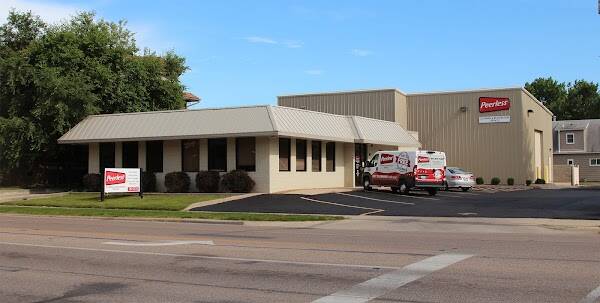
Peerless Cleaning & Restoration Services
Why: Strongest review activity in the last 90 days.

Full Blast Pressure Washing
Why: Specialist with a long local track record.
All Mold Remediation contractors in Illinois
Mold Remediation contractors in other Illinois cities
- Waukegan
- South Lawndale
- West Ridge
- Schaumburg
- West Town
- Rockford
- Arlington Heights
- Peoria
- Aurora
- Palatine
- Belmont Cragin
- North Peoria
- Bloomington
- Near North Side
- Bolingbrook
- Naperville
- Champaign
- Logan Square
- Chicago
- Joliet

