
Fall River, MA Homeowner’s Guide to Working with General Contractors
How do general contractors estimate project costs in Fall River?
Across Massachusetts, homeowners rely on licensed contractors for remodels, additions, and major repairs. In Fall River, estimating begins with the age and condition of the structure, because many homes here pre-date modern building systems and can hide surprises behind plaster and lath. Contractors walk the property to assess access on tight city lots, proximity to neighbors in dense neighborhoods, and whether ledge or steep grades will complicate excavation—real factors in a city known for its granite and hills above the Taunton River and Mount Hope Bay. They also look for legacy issues common in older housing, such as outdated wiring, marginal framing, or past moisture leaks, and they build realistic contingencies to cover any discoveries once walls open. Material pricing is tied to current market availability along the I-195 corridor and nearby suppliers in Bristol County and over the Rhode Island line in Tiverton, which can improve lead times but still requires planning for special-order items. Finally, a Fall River estimate typically separates labor, materials, allowances for finishes, trade partner quotes, site work, and permitting/utility coordination with the City of Fall River, giving you a clear roadmap for scope, schedule, and decision milestones.
How do weather conditions in Fall River affect material selection?
Fall River’s coastal-influenced climate brings salt-laden air, nor’easter winds, humid summers, and freeze–thaw winters, so materials are chosen for corrosion resistance and durability. On roofs, contractors favor shingles with higher wind ratings and underlayments that include ice and water barriers at eaves and valleys to deal with coastal storms and winter ice dams. For cladding, fiber-cement, engineered wood with factory finishes, or masonry veneers stand up well to moisture and temperature swings, while trim and fasteners are typically stainless or hot-dip galvanized to avoid rust from bay breezes. In basements and lower levels common to older Fall River homes, vapor-aware assemblies—rigid foam or closed-cell spray foam against foundation walls, capillary breaks under slabs, and dehumidification plans—help manage seasonal humidity. Exterior concrete is often specified with air entrainment and proper drainage to reduce spalling through repeated freeze–thaw cycles. Window and door packages often include coastal-rated hardware and robust flashing systems, given the city’s exposure and the way wind-driven rain moves off Mount Hope Bay.
Which construction techniques make homes more storm-resistant in Fall River?
Contractors in Fall River lean on continuous load paths and moisture management to handle nor’easter gusts and heavy rain events that move up the bay. Structural ties—hurricane clips at rafters, hold-downs at critical shear walls, and proper anchor bolts—help keep the roof and walls tied to the foundation when winds push across open water. Roof decks are often fully taped or sealed before shingles, which reduces water intrusion if shingles lift during a storm, and soffit and ridge vents are detailed to limit wind-driven rain entry. At the exterior, meticulous flashing at siding transitions, window head flashings, and kick-out diverters keep bulk water out of older wall assemblies common in the city’s triple-deckers and historic houses. Site drainage—regrading away from foundations, adding gutters with adequately sized downspouts, and using dry wells or permeable paving—manages the intense downpours we see in shoulder seasons. For homes close to the Taunton River or low-lying areas, contractors will discuss elevating mechanicals, adding backwater valves, and specifying sump systems with battery backups to maintain service during power interruptions.
What local programs support energy-efficient building in Fall River?
Massachusetts offers strong statewide support that Fall River homeowners can tap when planning efficiency upgrades or renovations. The Mass Save program provides no-cost energy assessments, recommended weatherization scopes, and rebates for measures like insulation, air sealing, high-efficiency heat pumps, and advanced thermostats; many projects also qualify for 0% financing through affiliated loan programs. General contractors coordinate with energy auditors early so air sealing and insulation details align with the renovation schedule, which is especially helpful in older homes where dense-pack cellulose or spray foam can dramatically improve comfort and cut drafts. For larger additions or whole-home rehabs, teams often align equipment sizing and duct layouts with the auditor’s findings to avoid oversizing HVAC in this coastal climate. Federal incentives can stack with state offerings, so contractors will help clients document eligible improvements for available tax credits under current federal laws. Working in a city that’s the tenth-largest in Massachusetts and borders Tiverton, Rhode Island, local pros also plan procurement and install timing to meet program inspection requirements without delaying your schedule. Trust the pros in Massachusetts for fast, effective project delivery. Request a free consultation for your build in Fall River.
Top Rated General Contractor Contractors in Fall River
Based on verified ratings, recent review activity and license standing. How we pick
 +3 photos
Floor Coverings International of Fall River, MA
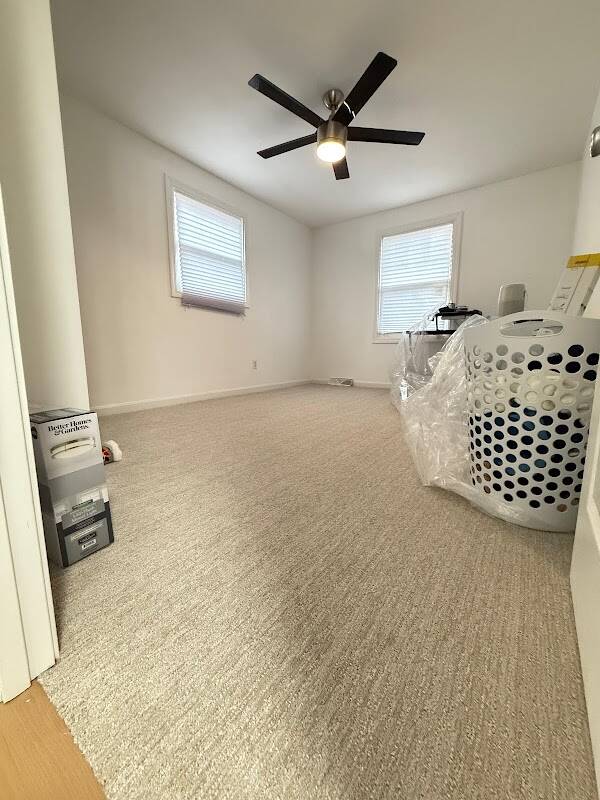
Pessotti Construction
Why: Strongest review activity in the last 90 days.
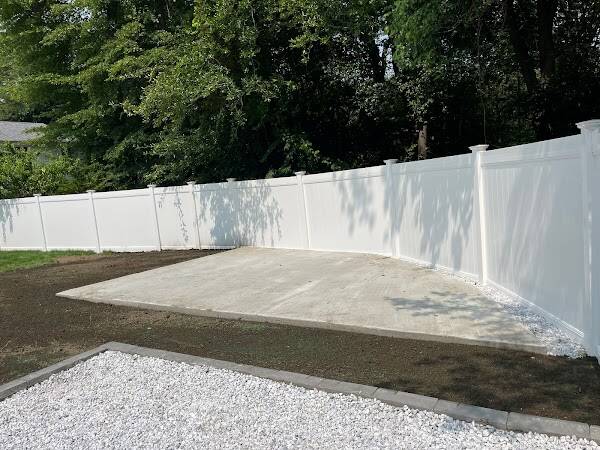
Alves family Construction and Site Work
Why: Specialist with a long local track record.
All General Contractors contractors in Massachusetts
General Contractors contractors in other Massachusetts cities
- Framingham Center
- Dorchester
- Framingham
- Chicopee
- Haverhill
- Cambridge
- Lawrence
- Brookline
- Lowell
- Brockton
- Lynn
- Boston
- Malden
- Worcester
- Medford
- Waltham
- New Bedford
- Taunton
- Newton
- Springfield

