Delaney — General Contractor in Medford, Massachusetts
How does Delaney manage water damage restoration for homeowners seeking fast relief?
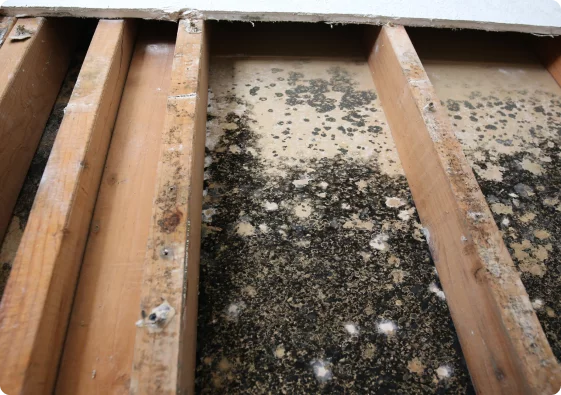
Delaney approaches residential water damage with a plan that starts at assessment and ends at a fully dry, ready‑to‑live‑in home. Certified technicians map moisture with thermal imaging and hygrometers, then remove standing water using truck‑mounted extraction before deploying balanced air movement and desiccant dehumidification. Materials are triaged rather than automatically torn out, which preserves finishes when feasible and keeps costs predictable. Antimicrobial treatments, HEPA air filtration, and targeted cavity drying limit the chance of mold growth while protecting indoor air quality.
From the first visit, Delaney outlines a timeline, a line‑item budget, and a daily check‑in schedule so families know what happens next and when rooms will be usable again. That clarity—paired with photo documentation for insurers—reduces uncertainty and stress. Homeowners can visit Delaney to request service or call 781-523-2314. The team serves residents from 92 High St suite 716, Medford, MA 02155, and is open Monday through Friday from 9:00 am to 5:00 pm for scheduling and support.
What makes Delaney a reliable choice for structural drying and foundation repairs after leaks?
When water undermines subfloors, framing, or foundation elements, Delaney couples structural know‑how with careful sequencing. Technicians start by isolating affected zones, then use floor and wall drying systems—such as panel extraction and heat‑assisted mats—to draw moisture from joist bays, sill plates, and masonry without unnecessary demolition. Moisture readings are logged until wood returns to target levels, preventing future cupping, warping, or microbial issues. If evaluation reveals compromised members, Delaney coordinates repair scope that may include sistering joists, replacing damaged sill plates, re‑seating rim boards, or repointing saturated foundation walls.
Every step is grounded in a written plan that aligns structural priorities with a homeowner’s budget and calendar. Permits and inspections are scheduled early to avoid idle days, and work is grouped by phase so rooms return to service as quickly as possible. Clear milestone billing, pre‑approved change orders, and end‑of‑phase walkthroughs eliminate surprises. By stabilizing the structure while keeping timelines and costs visible, Delaney helps families move past the disruption faster and with confidence.
How does Delaney handle fire and smoke damage reconstruction in a home?
Delaney’s residential fire recovery begins with safety and stabilization, then moves methodically into deodorization and rebuild. Crews secure the site, arrange roof tarping or board‑ups where needed, and perform a detailed contents inventory to protect belongings. Dry soot is captured with HEPA vacuums before residue‑specific cleaning: alkaline solutions on protein soot, solvent gels on oily deposits, and gentle media blasting on durable substrates. Odor is treated with hydroxyl generators and targeted sealers rather than heavy masking, and HVAC systems are cleaned to prevent re‑distribution.
Once the environment is neutralized, reconstruction proceeds in planned stages—framing, insulation, drywall, finishes—with code updates addressed as part of the scope. Documentation supports insurance requirements while a project calendar outlines when each room will re‑open, which allows families to plan routines with minimal upheaval. Transparent estimates define material options at different price points, and weekly progress checkpoints keep budgets steady. By coordinating approvals, trades, and finish selections in advance, Delaney turns a disruptive event into a structured, predictable rebuild that restores comfort without last‑minute surprises.
Can Delaney refresh interiors and exteriors with paint stain and finishing?
Finishes do more than look good—they seal in prior damage repairs and protect surfaces for the long term. Delaney prepares interiors with meticulous masking and surface repair, then verifies moisture content so coatings bond correctly after water or smoke events. Low‑odor, low‑VOC paints are specified for living areas, while scuff‑resistant formulas suit high‑traffic halls and trim. Cabinets and millwork can be lacquered or enamelled after thorough degreasing and sanding, and floors are finished with moisture‑curing or waterborne urethanes chosen to match durability and sheen goals. Color matching and sample boards help homeowners visualize results before work begins.
Outside, crews address chalking, peeling, and failed caulks with proper scraping, sanding, priming, and joint sealing, then apply weather‑appropriate paints or penetrating stains for siding, decks, and doors. Scheduling is coordinated around family routines and favorable weather windows, with staged room rotations indoors so daily life continues. Clear allowances for product tiers let homeowners balance aesthetics and budget without pressure. The result is a cohesive finish system that locks in restoration gains, elevates curb appeal, and reduces maintenance demands over time.
General Contractor Guides & Articles
Explore general contractor guides that explain a slew of relevant tips before hiring them.
- Building Permits: Who’s Responsible? You or the Contractor?
- Best Contractor Apps to Track Project Progress
- What Does a Home Improvement Contractor Do?
Other General Contractor Contractors in Medford, MA