
Charlotte, NC Homeowner’s Guide to Working with General Contractors
Which storm and humidity concerns shape material choices in Charlotte renovations?
In North Carolina, contractors coordinate all trades for seamless results. In Charlotte—the most populous city in the state and the seat of Mecklenburg County—summer humidity, fast-moving thunderstorms, and the occasional tropical system shape smart material choices as much as style does. Fiber-cement siding and brick veneer hold up well when afternoon downpours hit and temperatures swing, while PVC or composite exterior trim avoids the rot that can plague older Craftsman bungalows in Dilworth or classic ranches from the 1960s. For roofing, architectural shingles with robust wind ratings and proper ice-and-water shielding in valleys perform better when a late-season cold snap brings freezing rain. Stainless or hot-dipped galvanized fasteners, plus meticulous flashing details around windows and deck ledgers, help prevent corrosion and leaks in our damp summers. In crawlspace homes common across Charlotte’s older neighborhoods, a sealed crawl with a dedicated dehumidifier often outperforms vented spaces, reducing cupped floors and musty odors. Pros: fiber-cement and composite trim resist moisture, insects, and warping; Cons: they’re heavier, need accurate fastening schedules, and benefit from crews experienced with precise flashing and cutting. “After one summer thunderstorm warped our porch boards, we switched to composite and haven’t looked back—storm season is now a non-event for that space.” Add gutters sized for intense cloudbursts and consider leaf protection if your lot has the mature canopy many Myers Park and Plaza Midwood streets enjoy, and choose DP-rated windows with low-e glass to handle gusty fronts while keeping interiors comfortable.
How should Charlotte homeowners compare bids for major additions?
Start by aligning scope and specs so bids truly compare apples to apples—Charlotte’s housing stock ranges from uptown townhomes to mid-century ranches and new builds in Ballantyne, and the structural and finish needs differ. Look for clear line items on foundations and footings that address our dense red clay, masonry allowances that realistically match Charlotte’s prevalent brick facades, and exterior cladding called out by brand and thickness instead of generic “siding.” HVAC bids should reflect dehumidification strategy, not just tonnage; right-sizing equipment, sealing ductwork, and managing fresh air matter in our sticky summers. Ask how each contractor sequences inspections from Mecklenburg County and whether engineered headers, beam calcs for opened floor plans, and energy documents are included—missing details here commonly cause change orders. Check allowances for windows, cabinets, and tile against the style you want; low allowances can make a bid look great until selections push the price up. Pros: design-build teams in Charlotte can compress design, permitting, and construction coordination; Cons: competitive bid-build may yield a better price but requires more homeowner oversight to maintain spec consistency. It’s also wise to request alternates—for example, a price for encapsulating an existing crawlspace or upgrading to fiber-cement trim—so you can compare lifetime performance in our weather against upfront cost.
How long does it take to get a building permit approved in Charlotte?
Charlotte-Mecklenburg uses an online system for residential permits, and timelines hinge on project complexity, plan completeness, and whether zoning or site reviews are triggered by the addition’s footprint. A straightforward interior renovation with no structural changes can move relatively quickly once complete drawings are uploaded, while multi-room additions, structural wall removals, and exterior alterations typically require full plan review and can take longer. Homes located within a local historic district add a separate design review step for exterior changes, and that schedule runs alongside the building permit process. Your contractor will usually bundle trade permits under the main building permit, but missing details—like engineered beam specifications for opening up a 1950s ranch or energy compliance documentation for new conditioned space—can prompt resubmittals and add time. You can help by providing a current survey showing setbacks, confirming HOA requirements in parallel (since the HOA is a separate approval), and making timely selections that affect drawings, such as window sizes and door swings. Some projects may qualify for an expedited review option by appointment, but availability and eligibility vary. The most reliable way to compress the timeline is simple: complete, coordinated plans at submission and a contractor who tracks review comments promptly and responds with precise corrections.
How to manage multiple subcontractors during large renovations in Charlotte?
On sizeable projects in Charlotte—think second-story additions on a ranch in Madison Park or a kitchen expansion in an older bungalow—success hinges on sequencing, humidity management, and inspections that fit our local pace. A seasoned general contractor will schedule demo, framing, and rough-ins to line up with Mecklenburg County inspections, then time insulation, drywall, and paint so high-humidity weeks don’t trap moisture behind finishes. Materials need care here: hardwood flooring should acclimate on-site with dehumidification running, and cabinets and trim should be stored conditioned to avoid swelling when afternoon storms roll through. Weather contingency days belong in the calendar; lightning delays rooftop work and heavy downpours can idle exterior crews, so subs should be staggered to keep interior tasks moving. Logistics also matter on tight urban lots—coordinating dumpster swaps, material deliveries, and street parking near popular neighborhoods can prevent costly idle time. Pros: self-managing subs can shave markup for experienced owners with time on their hands; Cons: the coordination risk is high in our climate, and mistakes with sequencing or inspections can erase any savings. Keep your project on track with a skilled contractor in Charlotte. Get a second opinion on your renovation in Charlotte.
Top Rated General Contractor Contractors in Charlotte
Based on verified ratings, recent review activity and license standing. How we pick
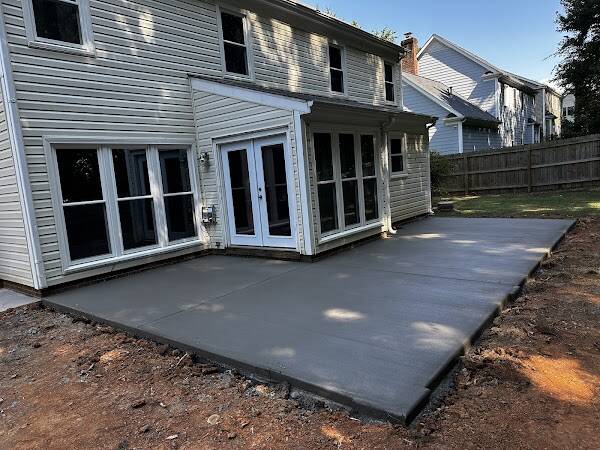 +3 photos
Venture Concrete Charlotte
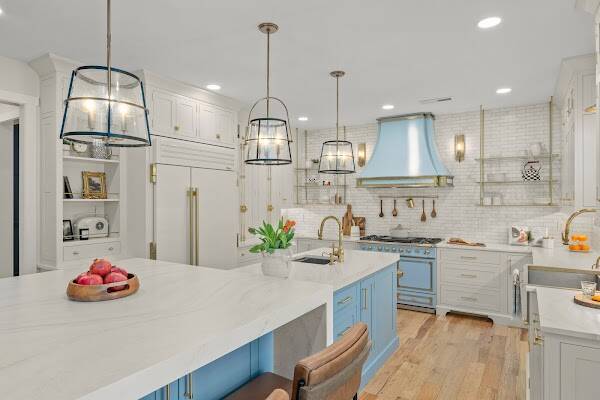
DGK Design and Build
Why: Strongest review activity in the last 90 days, with 101+ reviews.
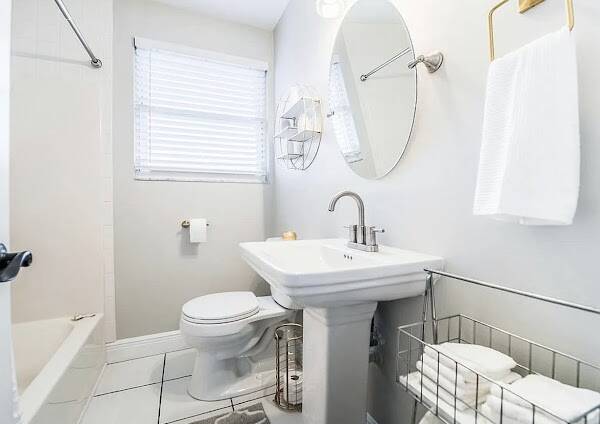
Bottom Line Renovations
Why: Specialist with a long local track record.
All General Contractors contractors in North Carolina
General Contractors contractors in other North Carolina cities
- Asheville
- Burlington
- Cary
- Chapel Hill
- Concord
- Durham
- Fayetteville
- Gastonia
- Greensboro
- Greenville
- High Point
- Huntersville
- Jacksonville
- Raleigh
- Rocky Mount
- West Raleigh
- Wilmington
- Winston-Salem

