
Your Fayetteville Guide to Hiring a General Contractor
From small updates to major renovations, Fayetteville contractors deliver. This is a military town with deep roots, and the housing reflects it—mid-century ranches, sturdy brick homes from the post-war era, and newer developments built for families connected to Fort Bragg. Our summers run hot and humid, our winters are forgiving, and sudden thunderstorms can test a roof, a crawlspace, and a grading plan in a single afternoon. A good contractor here reads the weather and the soil as closely as the plans, balancing moisture control with energy performance. The best work respects the age and character of Fayetteville’s homes while upgrading them to modern expectations. Think practical, local, and durable—because in Cumberland County, projects don’t just pass inspection; they stand up to the climate and the calendar.
How do local codes affect energy-efficient construction in Fayetteville?
In Fayetteville, contractors build and remodel under statewide rules administered locally, so energy-minded choices are coordinated with inspections from the start rather than bolted on at the end. That means your air sealing, insulation, and ventilation strategies are considered together, which matters in our humid summers where tight homes still need controlled fresh air. Expect discussion of balanced ventilation, right-sized HVAC, and moisture management in attics and crawlspaces, because those elements are inspected alongside framing and electrical. For older brick ranches common around town, energy upgrades often focus on bringing the envelope up to modern standards without trapping moisture—a careful dance in a climate that can swing from foggy mornings to blazing afternoons. Quick comparison in plain text: a sealed crawlspace often offers better humidity control and cleaner ducts; a vented crawlspace can cost less up front but may require more seasonal maintenance to stay dry. Pros and cons aside, the throughline is coordination—your contractor will plan the insulation type, window specs, and duct layout as a system so that energy features pass inspection and perform in Fayetteville’s weather.
When is a structural engineer required for remodeling in Fayetteville?
A structural engineer becomes essential any time a remodel changes how loads move through your home—think removing a wall in a one-story ranch, cutting new openings for larger windows, or converting an old carport to enclosed space. In neighborhoods with older framing, engineers help verify what’s truly load-bearing versus what looks like it, preventing surprises once drywall comes down. If you’re considering a second-story addition, a bigger back porch roof, or re-framing a sagging section where past repairs were patchwork, an engineer’s calculations guide the beams, posts, and connections that inspectors will review. Fayetteville’s mix of older houses and newer truss-framed homes means there isn’t a one-size-fits-all answer; your contractor will flag when stamped drawings are prudent or required for permitting. Plain-text pros and cons: hiring an engineer adds design time and a professional fee, but it reduces change orders, limits risk during inspection, and helps keep schedule and budget on track. In short, if the remodel affects structure or foundation, bring an engineer in early so the plan fits both your house’s history and today’s standards.
“We opened up our 1960s living room, and our contractor brought in an engineer before the first cut—best decision we made, because the beam plan sailed through review and the room feels solid.”
Which eco-friendly materials are available for new builds in Fayetteville?
Builders here increasingly source materials that balance sustainability with performance in heat and humidity. Durable roofing like reflective metal can lower attic temperatures in August, while high-quality asphalt shingles offer a familiar look with improved longevity; metal costs more up front but often lasts longer. Brick and fiber-cement siding both handle summer storms well—brick adds thermal mass and timeless curb appeal, while fiber cement resists rot and takes paint beautifully with low upkeep. Inside, low-VOC paints and adhesives keep indoor air fresher during long, closed-window cooling seasons, and waterwise fixtures help during summer peak usage. For insulation, dense-pack cellulose brings recycled content and good sound control, while spray foam offers strong air sealing; cellulose is often more budget-friendly, while foam can boost efficiency in tricky rooflines. Many builders also use regionally sourced lumber and concrete mixes that incorporate supplementary materials, reducing environmental impact while meeting the structural demands of North Carolina builds.
What payment schedule protects homeowners during renovations in Fayetteville?
The most protective payment plan breaks a project into clear milestones that match visible progress and scheduled inspections, rather than large sums paid early. A modest deposit can reserve the start date and initial materials, with subsequent draws tied to framing completion, rough-in approvals, and finishes installed. This rhythm gives your contractor steady cash flow while keeping you aligned with what’s been accomplished—especially useful when weather delays pop up in summer storm season. Keep allowances for items like flooring or tile documented so changes can be priced transparently; this reduces last-minute surprises that disrupt schedules. Plain-text pros and cons: fewer, larger draws simplify bookkeeping but reduce leverage if quality slips; more frequent, smaller draws add paperwork but keep both sides focused on workmanship and timelines. Stay ahead of issues with regular project updates in North Carolina. Book a project planning session in North Carolina.
Top Rated General Contractor Contractors in Fayetteville
Based on verified ratings, recent review activity and license standing. How we pick
 +3 photos
Brown Family Builders LLC
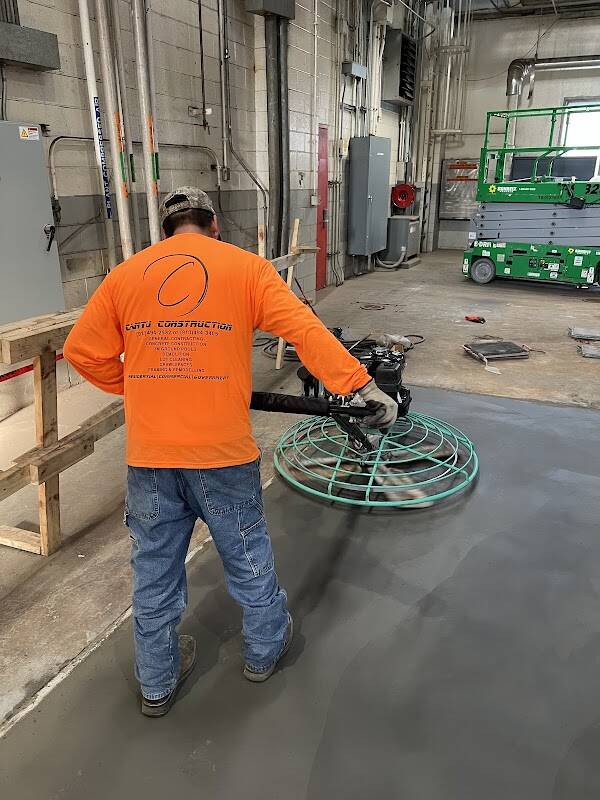
Cantu Concrete Construction LLC
Why: Strongest review activity in the last 90 days.
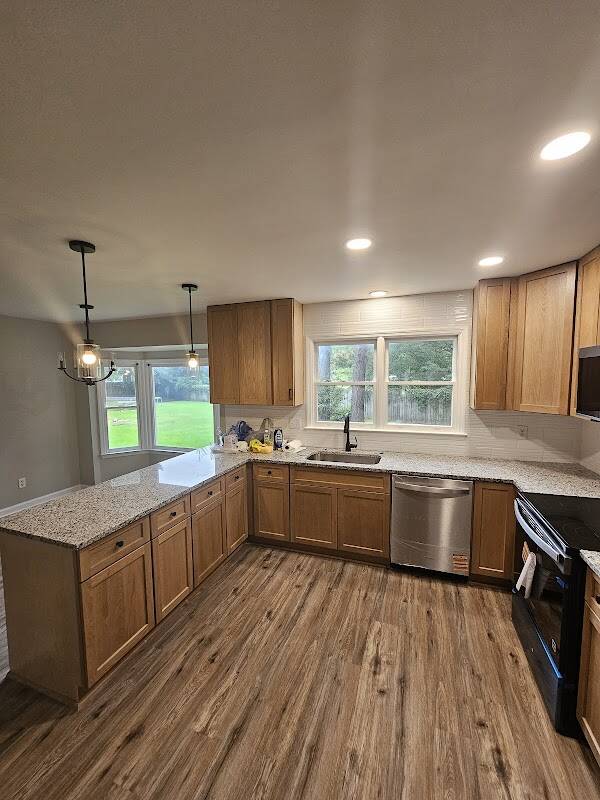
TriBlue Construction
Why: Specialist with a long local track record.
All General Contractors contractors in North Carolina
General Contractors contractors in other North Carolina cities
- Asheville
- Burlington
- Cary
- Chapel Hill
- Charlotte
- Concord
- Durham
- Gastonia
- Greensboro
- Greenville
- High Point
- Huntersville
- Jacksonville
- Raleigh
- Rocky Mount
- West Raleigh
- Wilmington
- Winston-Salem

