
Cleveland Homeowner’s Guide to Hiring and Managing General Contractors
Which basement waterproofing and egress rules apply in Cleveland?
Successful construction in Cleveland starts with strong project planning and trustworthy general contractors. For basements, the process begins by defining use: storage only, finished living area, or a sleeping room. That decision determines permitting requirements, waterproofing scope, and whether emergency egress must be included. First, a licensed contractor should perform a moisture and structure assessment—checking exterior grading, downspout discharge distance, existing seepage, and the foundation type common in older Cleveland homes. The contractor will then outline a permit path, prepare a clear scope of work, and coordinate inspections with city reviewers. Second, waterproofing design is tailored to local conditions along Lake Erie, where seasonal rains and snowmelt can stress foundations. Options may include exterior drainage improvements, interior perimeter drains that daylight to a sump basin, sump pumps with check valves, and vapor control on walls and floors. Discharge must route away from the foundation and not create icing hazards during freeze–thaw periods. Third, if the project adds a bedroom or converts the basement to habitable space, an emergency escape and rescue opening to the exterior is typically required, along with proper stair geometry and smoke/CO alarm integration; the contractor should detail the egress approach, window well protection, and any guard or cover needed. Finally, plan for staged inspections—framing and rough-in after waterproofing and egress framing, then insulation, and a final—so documentation and compliance are verified before finishes go in. The goal is a dry, code-compliant basement that performs year-round in Cleveland’s variable climate.
How do GCs plan winter construction sequences in Cleveland?
Cleveland’s winters bring freeze–thaw cycles, lake-effect snow, and brisk winds off Lake Erie. Good sequencing keeps work moving while protecting materials and finished surfaces. A licensed general contractor will map the calendar around weather windows, inspections, and lead times so crews stay productive when temperatures drop. Exterior-critical tasks—roofing, flashing, gutters, siding tie-ins, and masonry repairs—are prioritized before consistent freezes. Concrete work is scheduled with weather monitoring, thermal blankets, and curing protection in mind. Once the building is “dried in,” interior rough-ins (mechanical, electrical, plumbing), insulation, and drywall proceed with temporary, properly vented heat and humidity control to prevent condensation. Windows and doors are installed early in the sequence to control interior conditions, while air-sealing and draft management reduce energy loss during cold snaps. Deliveries are timed to avoid material exposure; moisture-sensitive goods like flooring acclimate indoors. Jobsite safety plans address snow removal, slip hazards, and staged thaw cycles that affect scaffolding and excavations. The contractor also builds in inspection flexibility, padding the schedule for storm delays that can affect city offices and site access. Allowances are added for winter protection—ground thawing, heated enclosures, and overtime mobilizations—so costs are transparent. This disciplined approach keeps quality high, protects warranties, and aligns with Cleveland’s predictable but challenging winter rhythms.
What should a general contracting agreement include in Cleveland? (explained for local homeowners)
A clear, complete agreement lowers risk and helps projects in Cleveland stay on schedule. The contract should define scope in plain language, reference any drawings or specifications, and list selections with an approval timeline so materials arrive before weather-sensitive phases. It should also include transparent allowances for items not yet selected and a written process for substitutions. Key protections include a milestone-based payment schedule, change-order procedures with signed approval before work proceeds, and a realistic schedule that accounts for seasonal weather swings common along Lake Erie. Provisions for concealed conditions are important with older homes—if aging wiring, sagging framing, or deteriorated masonry is discovered, the contract should explain how pricing and time are adjusted. Compliance responsibilities must be explicit: which party pulls permits, coordinates inspections, and maintains site safety. Proof of current insurance and worker coverage, lien-release requirements for subcontractors, and warranty terms (labor and materials) should be attached. Final elements include daily cleanup standards, protection of adjacent areas, documentation handoff (manuals, care guides), and a punch-list process tied to final payment. To compare multiple licensed contractors efficiently, homeowners may use services like American Home Quotes (AHQ) to review qualifications, request bids on identical scopes, and verify experience before signing.
In Cleveland, what should be included in a contractor’s bid in Cleveland?
Strong bids read like roadmaps: clear, complete, and easy to compare. At minimum, each bid should list a detailed scope of work, the specific materials proposed (brand/series or performance level), and any alternates that could save cost without sacrificing durability in Cleveland’s climate. Transparent line items for labor, materials, equipment, and waste hauling help identify differences between bidders. Allowances for undecided finishes should be realistic, and exclusions must be spelled out so surprises do not surface later. The bid should name responsible parties for permits, inspections, and utility coordination, and show a milestone schedule that sequences weather-dependent tasks before the coldest months. Jobsite protections—temporary heat, dehumidification, floor and landscape protection, snow/ice management—should be priced explicitly. A list of key subcontractors, supervision hours on site, and the communication plan (meeting cadence, response times) brings accountability. Documentation deliverables, such as submittals, product data, warranties, and closeout manuals, belong in the bid so there is no ambiguity later. Homeowner tip: ask bidders to include unit prices (per square foot of drywall, per linear foot of drain tile) to simplify change-order comparisons. Thorough bids reduce risk, align expectations, and help homeowners choose value over guesswork. Enjoy stress-free building with expert contractor support in Cleveland. Call now for expert contractor help in Cleveland.
Frequently Asked Questions About general contractors in Cleveland, Ohio
-
Do homeowners need a permit to finish a basement or add a bedroom in Cleveland?
Most projects that change use or add habitable space require a permit and inspections. A sleeping room typically triggers emergency egress and life-safety upgrades. A licensed contractor can outline the submittals needed and coordinate review with the city so work proceeds without compliance delays.
-
What weather limits most often slow construction near Lake Erie?
Freeze–thaw cycles, lake-effect snow, and high winds create challenges for concrete, roofing, and exterior finishes. Contractors plan around temperature thresholds, protect materials, and use temporary heat and moisture control to keep interiors on track. Smart sequencing puts exterior-critical tasks ahead of prolonged cold snaps.
-
How can a homeowner verify a contractor’s qualifications and insurance?
Request proof of current insurance, worker coverage, and relevant licensing or registration as part of the bid package. Ask for recent local references and a list of subcontractors. Tools like American Home Quotes (AHQ) can help compare licensed contractors on the same scope and check experience quickly.
-
What bid red flags suggest future change orders or cost overruns?
Vague scopes, missing material specifications, and unrealistically low allowances often lead to extras later. Lack of a milestone schedule, no site-protection plan, or missing unit prices are additional warnings. A thorough, itemized bid reduces risk and makes comparisons fair.
-
When should a Cleveland homeowner book a project to avoid weather delays?
Design and permitting are best started several months before the desired start date so exterior work can be sequenced ahead of harsh weather. Contractors commonly target dry-in before consistent freezes, keeping interior trades active through winter. Early planning secures materials and inspection slots during busy seasons.
Top Rated General Contractor Contractors in Cleveland
Based on verified ratings, recent review activity and license standing. How we pick
 +3 photos
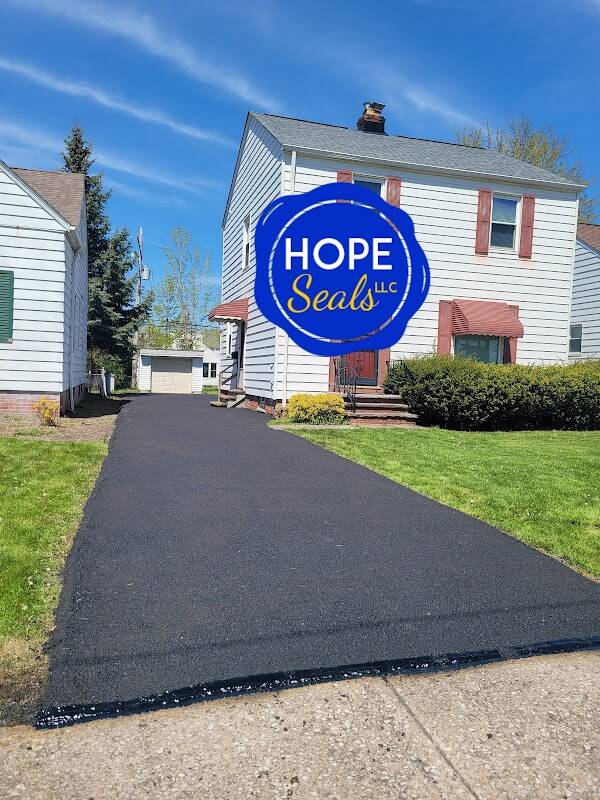
Hope Seals
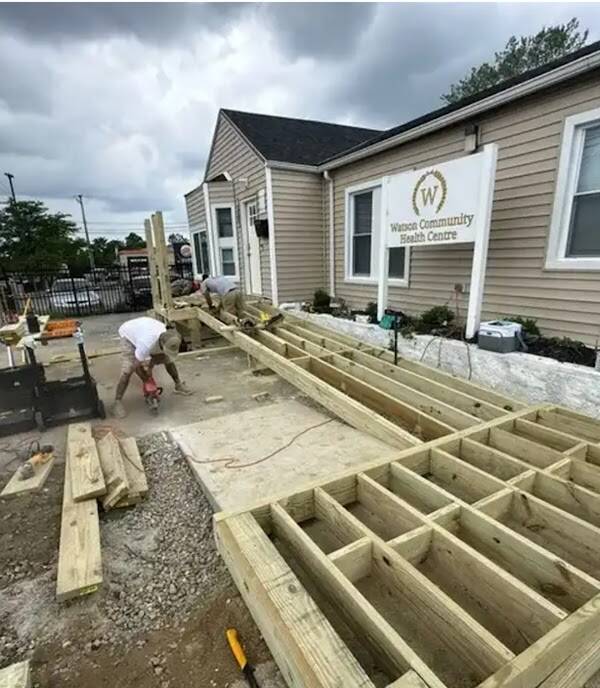
Cleveland’s Own Custom Contracting
Why: Strongest review activity in the last 90 days.

216 Maintenance
Why: Specialist with a long local track record.
All General Contractors contractors in Ohio
General Contractors contractors in other Ohio cities
- Akron
- Canton
- Cincinnati
- Columbus
- Dayton
- Elyria
- Hamilton
- Kettering
- Lakewood
- Lorain
- Parma
- Springfield
- Toledo
- Youngstown

