
Columbus, Ohio General Contractors: A Local Homeowner’s Guide to Craft, Compliance, and Smooth Projects
Which permits and inspections are typical for basement finishes in Columbus? (explained for local homeowners)
From design to completion, Columbus contractors guide you every step of the way. A finished basement in the city typically requires a building permit, with additional electrical, plumbing, or mechanical permits if new circuits, a bathroom, a wet bar, or duct modifications are planned. Expect submittals to include a floor plan, ceiling heights, layout of new rooms, and notes on egress and smoke/CO detector coverage. Inspections commonly occur at rough-in (framing, electrical, plumbing, mechanical), insulation (if added to perimeter walls), and final. In older Columbus homes—think basements in Clintonville, Victorian Village, or German Village—contractors often plan around low beams, uneven floors, and existing masonry, documenting solutions before work begins.
Here is a typical sequence: demo and framing, rough electrical and plumbing, rough mechanical, rough inspection approvals, insulation, drywall, and finals. If a homeowner decides mid-project to add a bathroom and egress window, the contractor drafts a change order, secures the needed permits, and schedules the corresponding inspections to keep the project compliant and on time. Homeowner tip: ask for a simple permit and inspection calendar that shows when the home will be accessed and when each city visit is expected. Clear documentation helps avoid rework, especially when tying new work into existing Columbus-era systems. A compliance-focused contractor will also coordinate required detector upgrades and label circuits neatly, ensuring the final walkthrough is straightforward and the space is safe, functional, and ready to use.
How do contractors winterize exterior work and concrete in Columbus?
Columbus experiences real seasonal swings, so seasoned contractors plan exterior work to handle freeze–thaw cycles and sudden temperature drops. For concrete, they monitor forecasts, use heated water in the mix when appropriate, and protect placements with insulated curing blankets or temporary enclosures. Non-chloride accelerators may be specified to help early strength gain while maintaining rebar integrity. If temperatures plunge, pours are rescheduled—quality and safety come first.
Winterizing exteriors is a mix of timing, protection, and detail work:
- Install housewraps and flashings promptly, then seal penetrations the same day.
- Stage materials off the ground and covered; moisture-sensitive items stay indoors.
- Use temporary heat and ventilation to keep coatings and adhesives within manufacturer ranges.
- Sequence roofing and siding so weather-resistive barriers are never exposed for long.
This approach keeps Columbus homes tight against wind and moisture that sweep across the metro area, from Franklin County into Delaware and Fairfield counties. It also reduces callbacks by preventing cold-related cracking, delamination, or trapped moisture. The right team explains these measures in plain language, adjusts schedules transparently, and prioritizes craftsmanship, so homeowners can relax knowing the exterior envelope and concrete work are protected—even when the forecast wobbles.
Which red flags indicate poor contractor communication in Columbus?
Communication makes or breaks projects in a city as busy as Columbus. Watch for vague scopes that skip finish levels, missing schedules, or quotes that lump “electrical and plumbing” without line items. Slow or inconsistent replies to emails and texts, no single point of contact, and confusing change orders are other warning signs. If a contractor cannot explain permit steps or when inspections will occur, expect coordination trouble later. A lack of written weekly updates—especially during weather swings—often translates to surprise delays.
However, occasional short delays during peak season do not always mean poor service; the key is proactive status updates and solutions. Look for teams that provide selection logs, document approvals, and outline who is on site each day. In Columbus, where many homes blend old systems with new finishes, that level of clarity prevents mismatches and rework. Homeowners who want an easy way to compare responsiveness can use American Home Quotes (AHQ) to review licensed contractors, request multiple bids, and see who provides clear timelines and paperwork up front.
In Columbus, what should a general contracting agreement include in Columbus?
A strong agreement sets expectations before work begins. Step by step, it should define scope, timelines, and how changes are handled. Look for these essentials:
- Detailed scope of work tied to drawings and specifications, including finish levels.
- Schedule with milestones and inspection touchpoints.
- Payment terms tied to progress (e.g., after rough-in approvals), plus lien waiver requirements.
- Change order process (pricing, approvals, and time impacts in writing).
- Permitting responsibility, site protection, and cleanup/dust control plan.
- Proof of insurance, warranty terms, and dispute resolution steps.
Columbus projects benefit from clarity on who coordinates trades and how client selections are tracked. However, overly rigid contracts can slow decisions; a balanced agreement leaves room for documented design tweaks without derailing the schedule. Homeowners comparing proposals through American Home Quotes (AHQ) can review sample contracts, check for these inclusions, and select the team that best aligns with budget, timeline, and quality expectations.
How do Columbus contractors coordinate design selections, lead times, and local suppliers?
Successful teams in the Columbus market build a selections roadmap early, because cabinets, windows, and specialty fixtures can carry multi-week lead times—longer in peak seasons. Contractors issue a selection schedule that lists each item, the decision deadline, and the install date it supports. Allowances are clearly set so homeowners can shop with confidence at local showrooms, then the contractor submits orders and tracks confirmations. Regular check-ins keep everything aligned with inspections and the critical path.
Supply coordination is paired with on-site protection and staging: deliveries are timed to avoid weather exposure, parts are checked for damage, and backorders trigger immediate alternates for approval. This level of craftsmanship-minded logistics matters across the region’s diverse housing—from brick homes near downtown to newer builds on the metro’s edge—so finishes arrive when spaces are ready, not before. Don’t let project problems disrupt your life—call a pro in Columbus. Ask about project management in Ohio.
Frequently Asked Questions About general contractors in Columbus, Ohio
-
How long does a Columbus basement remodel usually take from permit to final inspection?
Most finished basements move from permit approval to final inspection in a few weeks to a few months, depending on scope and selections. Adding a bathroom, moving utilities, or dealing with older foundations can extend timelines. A contractor who shares a milestone schedule and inspection dates helps keep expectations aligned.
-
What temperatures are acceptable for pouring a driveway in central Ohio winters?
Contractors aim to place concrete when temperatures and forecasts support proper curing, protecting slabs with blankets or temporary heat if needed. If a deep freeze is coming, quality-focused teams reschedule rather than risk surface damage or weak early strength. Asking how curing will be protected is a smart pre-pour question.
-
Why do contractors request deposits, and how can homeowners manage risk?
Deposits help lock in materials and secure the schedule, especially for custom items with lead times. Homeowners can manage risk by tying progress payments to completed milestones and collecting lien waivers. Clear contract language on payment triggers prevents misunderstandings.
-
How can a homeowner verify that a Columbus contractor is insured and responsible for permits?
Ask for a certificate of insurance listing current coverage and confirm the contractor will pull required permits under the company’s name. The agreement should explicitly assign permitting responsibility and outline inspection stages. Organized teams provide this documentation up front without hesitation.
-
What’s the best way to compare bids from Columbus general contractors fairly?
Request detailed, apples-to-apples proposals that list scope, allowances, timelines, and change order terms. Platforms like American Home Quotes (AHQ) can help gather multiple licensed bids and highlight differences in communication and process. Choose value and clarity over the lowest line item.
Top Rated General Contractor Contractors in Columbus
Based on verified ratings, recent review activity and license standing. How we pick
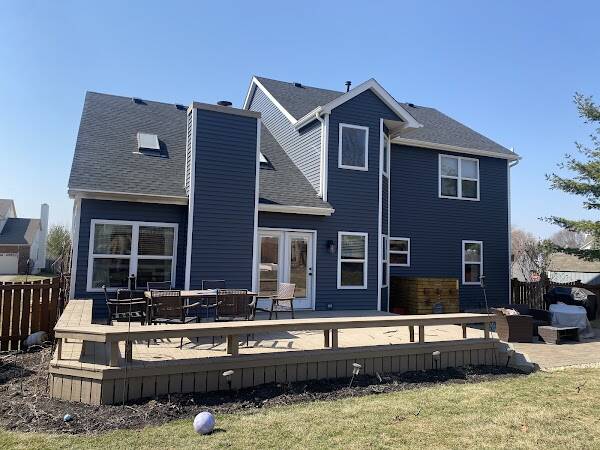 +3 photos
ACI Construction
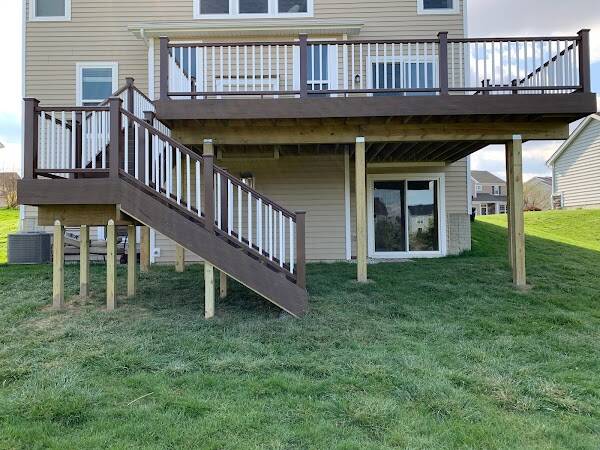
A-1 Quality Carpentry
Why: Strongest review activity in the last 90 days.
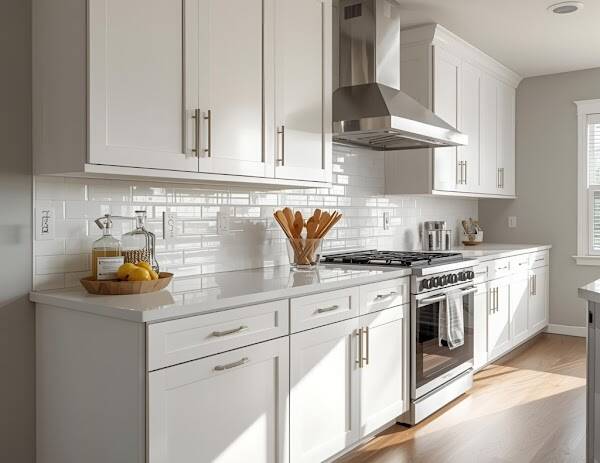
CSS Kitchen Remodeling Columbus
Why: Specialist with a long local track record.
All General Contractors contractors in Ohio
General Contractors contractors in other Ohio cities
- Akron
- Canton
- Cincinnati
- Cleveland
- Dayton
- Elyria
- Hamilton
- Kettering
- Lakewood
- Lorain
- Parma
- Springfield
- Toledo
- Youngstown

