
Federal Way Homeowner’s Guide to Hiring a General Contractor and Managing a Successful Remodel
Which red flags indicate poor contractor communication in Federal Way?
In Washington, clear communication keeps projects running smoothly. In Federal Way, that matters even more because storm-driven moisture can delay schedules and require proactive coordination. When communication is inconsistent, costs rise and timelines stretch.
Early warning signs include vague scopes of work, missing finish schedules, and estimates that lack allowances for moisture mitigation or weather delays. Another red flag is a contractor who cannot outline a basic project calendar, name the primary subcontractors, or explain how inspections are sequenced. If response times slip before a contract is signed, expect slower updates once walls are open. Watch for casual attitudes toward change orders; a professional will state how changes are priced, documented, and approved, and will track them against contingency. In Federal Way’s coastal humidity, ask how the team will protect materials on-site and keep framing dry; unclear answers suggest jobsite risks and warranty issues later. Finally, if a contractor will not confirm permit responsibility, site supervision frequency, or a single point of contact for daily decisions, expect confusion in the field. Homeowners who want added confidence can use American Home Quotes (AHQ) to compare licensed local contractors, check communication practices, and verify that each bid includes schedule updates, meeting notes, and clear escalation paths.
Which construction techniques make homes more storm-resistant in Federal Way?
Federal Way homes benefit from a continuous load path, moisture-first detailing, and durable materials that stand up to coastal humidity. That starts with roof-to-foundation connectors—hurricane ties, hold-downs, and properly sized anchor bolts—so wind forces transfer safely through the structure. A robust water-management assembly is equally critical: a well-detailed weather-resistive barrier (WRB), taped seams, integrated flashings, and rain-screen siding to let assemblies dry after storm-driven rain. In a real-world example, after a week of wind-driven rain off the Sound, proper kick-out flashings and pan-flashed windows keep water out of wall cavities, protecting insulation and framing.
- Choose corrosion-resistant fasteners and hardware (hot-dip galvanized or stainless) to handle humid, marine-influenced air.
- Specify Class A roofing with an ice/water underlayment at eaves and valleys to resist wind-blown rain.
- Use vented rain-screen siding assemblies so walls can shed and dry moisture.
- Seal penetrations meticulously—light fixtures, hose bibs, and vents are frequent leak points.
Project management ties these elements together. A capable general contractor sequences exterior work around weather windows, verifies flashings before siding proceeds, and schedules inspections to avoid rework. That oversight preserves the schedule during the region’s wet seasons and reduces warranty risks later.
How do local building codes affect home additions in Federal Way?
Home additions in Federal Way must meet structural and life-safety standards enforced by local building officials, along with energy and ventilation requirements suited to Washington’s climate. For homeowners, that means plan sets should address structural loads, lateral bracing for wind and seismic forces, proper insulation and air sealing, and safe egress. Reviewing these items early helps keep approvals predictable and construction on schedule.
Codes also influence design choices that matter in this coastal, moisture-prone environment. Expect attention to window flashing details, continuous water barriers, and ventilation strategies that keep new spaces dry. However, code compliance can introduce design trade-offs, such as thicker wall assemblies for insulation or bracing that may slightly adjust window placement. A general contractor with strong project management will coordinate the designer, engineer, and inspectors, build a realistic sub schedule, and stage material deliveries to limit moisture exposure. In a city that ranks among Washington’s most populous, neighborhoods include a mix of mid-century homes and newer subdivisions, so tying new loads into older framing often requires careful detailing. The right contractor anticipates those details, preventing mid-project surprises.
When is a structural engineer required for remodeling in Federal Way?
In Federal Way, a structural engineer is typically consulted whenever load paths may change or when additions introduce new forces on foundations and framing. Step one is scoping: if the project removes or shortens a wall, enlarges openings, adds a second story or dormer, extends a deck, or alters roof geometry, the contractor will flag engineering review. Step two is verification: site measurements, framing inspections, and soil observations help the engineer design beams, posts, shear elements, and connections suited to the home’s age and the area’s storm-driven moisture concerns. Step three is documentation: sealed calculations and details are packaged with permit drawings so field crews can build to the design.
Projects on slopes, near saturated soils, or with settlement concerns may also prompt engineering input for foundations and drainage. However, engineering adds time for analysis and coordination, so strong project management reserves lead time in the schedule and aligns subcontractor tasks around the engineer’s milestones. A well-organized general contractor will queue procurement of specified connectors and materials, sequence inspections, and protect exposed framing from humidity while engineering details are finalized, minimizing costly downtime.
Frequently Asked Questions About general contractors in Federal Way, Washington
-
What should a Federal Way remodeling contract include to avoid change-order disputes?
Clear line items, defined allowances, and a written process for pricing and approving changes protect timelines and budgets. The contract should identify who authorizes changes, how schedule impacts are communicated, and how unforeseen moisture or structural issues are handled. A detailed scope paired with a communication plan reduces surprises.
-
How can a homeowner prep a Puget Sound house for atmospheric river storms before construction starts?
Check roof flashings, clean gutters, and seal exterior penetrations so the site is ready for rain. Discuss material storage and temporary weatherproofing with the contractor to keep framing dry during staging. Early moisture control reduces delays once crews mobilize.
-
Will adding a second story trigger extra seismic or energy requirements in Federal Way?
Significant additions often involve structural and energy upgrades reviewed by local officials to ensure safety and performance. Expect attention to lateral bracing, connections, insulation, and air sealing so the expanded home performs well in Washington’s climate. A general contractor coordinates design, engineering, and inspections to keep approvals on track.
-
Who handles scheduling city inspections during a remodel—the homeowner or the GC?
General contractors typically coordinate inspections as part of the project schedule and meet inspectors on site. This keeps work flowing, ensures corrections are handled quickly, and prevents trades from being delayed. Homeowners receive updates after each inspection.
-
What’s the best way to compare bids from Federal Way general contractors?
Align scopes, finishes, and allowances so each proposal covers the same work, then review schedules and communication plans. Consider using American Home Quotes (AHQ) to compare licensed contractors and request apples-to-apples proposals. The most transparent plan usually protects both budget and timeline.
Experienced contractors in Washington complete remodels safely and efficiently. Book a site inspection for your Federal Way property.
Top Rated General Contractor Contractors in Federal Way
Based on verified ratings, recent review activity and license standing. How we pick
 +3 photos
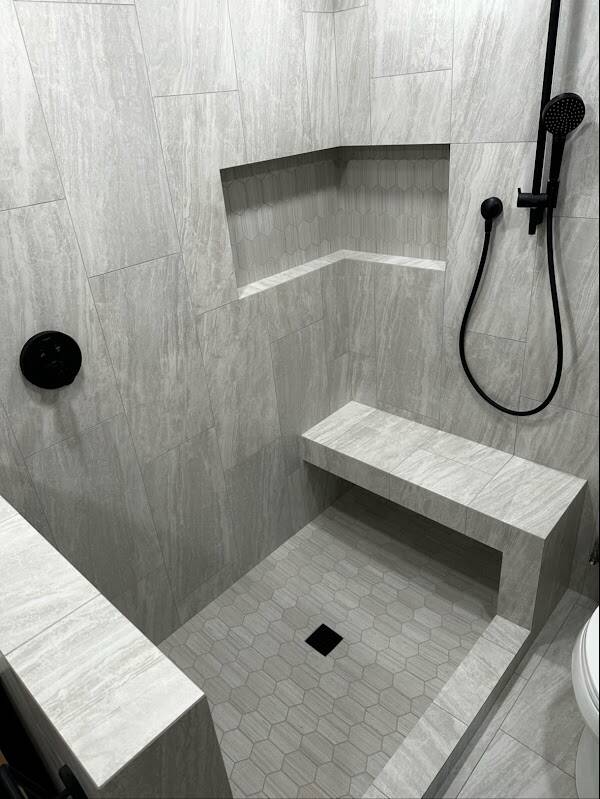
Kov builders
Bastion Water Damage
Why: Strongest review activity in the last 90 days.
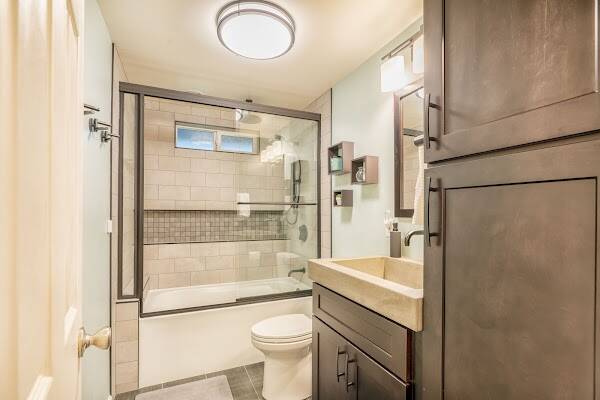
Kitchen and Bath Builders
Why: Specialist with a long local track record.
All General Contractors contractors in Washington
General Contractors contractors in other Washington cities
- Kennewick
- Everett
- Kent
- Bellingham
- Kirkland
- Bellevue
- Lakewood
- Auburn
- Marysville
- Yakima
- Olympia
- Vancouver
- Pasco
- Tri-Cities
- Redmond
- Tacoma
- Renton
- Spokane
- Richland
- Spokane Valley

