Tri-Cities Homeowner’s Guide to Working With a General Contractor
In Tri-Cities, how do contractors handle change orders on projects?
A good contractor in Tri-Cities brings your vision to life. That vision often evolves once walls open up or new ideas surface. Clear, documented change orders keep the project aligned with budget, schedule, and workmanship standards.
The process starts with discovery and scoping: the contractor identifies the trigger (for example, hidden damage in a West Pasco addition or an owner-requested layout tweak in Richland), then drafts a written change order that describes the modification, labor and material impacts, and any schedule shift. Pricing is tied to a transparent schedule of values and current supplier quotes. Homeowners receive the document for review, ask questions, and sign for authorization before any extra work proceeds. The contractor updates drawings if needed, coordinates with subs, and determines whether a new permit revision or inspection is required—especially important when work straddles the borders of Kennewick, Pasco, and Richland, where jurisdiction can change quickly. Field supervisors log the change in daily reports, and accounting tracks it as a separate line item for clean reconciliation at billing. Close-out includes a confirmation that the change passed inspections, photos for records, and warranty notes if different products or assemblies were used. This disciplined sequence protects cost control, maintains craftsmanship standards, and keeps everyone aligned from first sketch to final walk-through.
How do local codes affect energy-efficient construction in Tri-Cities? (explained for local homeowners)
Local building departments in Kennewick, Pasco, Richland, and neighboring communities enforce state-adopted energy standards that shape how homes are designed, insulated, and ventilated. For homeowners, that means energy efficiency is not just a preference; it is a compliance requirement that influences permits, inspections, and material choices.
Envelope and air sealing: Plans and field work must demonstrate continuous insulation, tight air barriers, and correct window and door performance. In practice, that means careful taping of sheathing seams, sealed top plates, and properly flashed openings that stand up to storm-driven moisture migrating along the Columbia Basin. Mechanical systems and ventilation: Right-sized equipment, balanced ventilation, and verified duct sealing reduce energy use and control humidity spikes that can accompany coastal humidity episodes. Expect load calculations, equipment submittals, and commissioning steps to be part of the paperwork and inspections. Documentation and testing: Jurisdictions typically require compliance forms and may call for blower-door testing or duct leakage verification. A diligent contractor schedules these milestones early, coordinates with third-party testers when needed, and sequences insulation and drywall so that testing access points are preserved. Together, these requirements drive higher-performing assemblies—thicker attic insulation, smarter air sealing at knee walls and rim joists, and ventilation strategies that support comfort through hot spells, chilly nights, and the occasional wind-and-mist events that push up the rivers.
How does a general contractor coordinate permits and inspections in Tri-Cities?
Permits and inspections are simpler when one team owns the timeline, paperwork, and coordination. A seasoned contractor maps the jurisdiction first—Kennewick, Pasco, and Richland sit side by side, while projects in West Richland, West Pasco, Finley, or Burbank may involve Benton, Franklin, or even Walla Walla County. That alignment prevents filing in the wrong office and keeps review cycles predictable.
The workflow usually follows a predictable arc: assemble drawings and scope, confirm zoning and setbacks, and submit the permit package with structural notes where required. The contractor then sequences inspections—footing, foundation, framing, rough-in for trades, insulation, and final—into the master schedule so subs know exactly when to be ready. Communication is proactive: field leads post permit cards, maintain clean, safe sites, and keep the inspector’s access clear. If a homeowner in Finley approves a last-minute layout change that affects framing, the contractor submits a revision, updates the inspection plan, and reschedules affected trades to avoid idle time. When inspectors request clarifications, the contractor routes details back to the designer or engineer and returns with concise documentation. The goal is steady momentum without compliance gaps, so the project passes on the first try and moves smoothly to finish work.
Which retrofitting options improve home resilience in Tri-Cities?
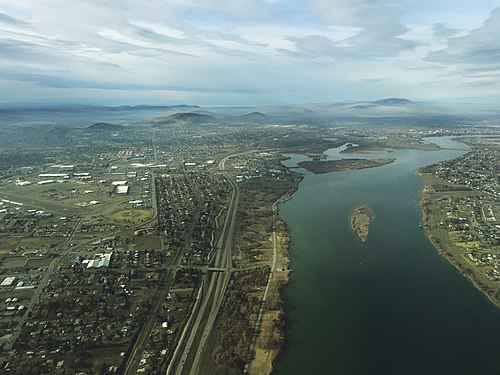
Resilience upgrades protect comfort and investment across the Tri-Cities urban area, where closely linked neighborhoods meet at the confluence of the Yakima, Snake, and Columbia Rivers. A targeted retrofit plan focuses on structure, water management, and building envelope performance so homes handle wind, temperature swings, and bouts of storm-driven moisture.
Structure and connections: Many mid-century and late-20th-century homes benefit from improved load paths—added hold-downs at shear walls, tightened anchor bolts, and reinforced roof-to-wall ties. These measures help the house act as a unified system under gusty conditions and reduce racking at corners and openings. Water management and drying potential: Wind-driven rain along the Columbia Basin demands robust flashing, kick-out diverters, pan flashing at doors, and back-primed trim. Where siding is being replaced, a ventilated rainscreen gap behind new cladding helps bulk water drain and allows incidental moisture to dry safely. Subsurface drainage improvements—cleaned footing drains, redirected downspouts, and properly graded soil—keep foundations out of the splash zone. Envelope and ventilation: Air sealing at attics and crawlspaces paired with balanced, filtered ventilation curbs humidity swings, especially during periods influenced by coastal humidity. Upgrading attic insulation, insulating rim joists, and swapping leaky can lights for sealed fixtures preserve conditioned air and reduce condensation risk. Together, these retrofit strategies bring durability, tighter comfort control, and a quieter, more efficient home for Kennewick, Pasco, Richland, and nearby communities like West Richland and West Pasco.
How should Tri-Cities timelines adapt to weather, rivers, and site conditions?
Successful schedules in the Tri-Cities account for river-influenced microclimates, wind events, and bursts of storm-driven moisture. A thoughtful contractor front-loads weather-sensitive tasks—foundation waterproofing, exterior framing, and roofing underlayment—while sequencing interior work to keep crews productive if conditions shift.
On-site, that looks like rapid dry-in targets, temporary protection at openings, and flexible trade stacking so electrical or plumbing rough-in can proceed under cover if exterior work pauses. Material handling gets equal attention: moisture-sensitive products stay elevated and wrapped; delivery timing avoids forecasted rain-and-wind pairs that travel up the Columbia. Inspection calendars are buffered with float, acknowledging that multiple jurisdictions serve the metro area and appointment slots can fill fast. Throughout, daily logs track temperature, wind, and precipitation so warranty records reflect how assemblies were protected. This disciplined approach safeguards craftsmanship and keeps projects for homes in Richland, Pasco, Kennewick, and beyond moving steadily toward completion.
What should Tri-Cities homeowners look for in bids, contracts, and warranties?
A clear, complete paper trail ensures quality outcomes and protects budgets. Thorough bids should include a detailed scope, allowances with unit costs, alternates, and exclusions that spell out what is and is not included. Contracts should define milestones, payment schedules tied to measurable progress, change-order procedures, and insurance requirements, along with confirmation of licensing applicable within the Tri-Cities metro across Benton and Franklin counties.
Homeowners also benefit from submittal logs (listing products and model numbers), a schedule of values for transparent billing, and lien release procedures that track each payment. Warranties should distinguish between manufacturer coverage and workmanship guarantees, list response times, and explain how service is requested after move-in. Document control matters: digitally stored permits, inspection records, and as-built drawings make future maintenance simpler. This level of organization signals a builder’s attention to detail and commitment to long-term performance. Year-round comfort in Washington starts with quality construction. Book a site inspection for your Tri-Cities property.
Frequently Asked Questions About general contractors in Tri-Cities, Washington
-
How can homeowners prevent budget creep from mid-project changes in Kennewick or Pasco?
Ask for a written change-order policy before work starts, with pricing based on a schedule of values and current supplier quotes. Require signed approvals for scope, cost, and schedule impacts, and request photos or drawings that show what will change. This keeps decisions transparent and billing predictable.
-
Do Tri-Cities remodels need an energy report or tests before insulation and drywall?
Local jurisdictions often require energy compliance documentation and may call for verification tests like blower-door or duct leakage before finishes close up assemblies. A diligent contractor sequences these checkpoints and coordinates third-party testers when needed. That planning avoids rework and supports code compliance.
-
Who pulls the building permit for a home near the Kennewick–Richland border?
The contractor typically identifies the correct jurisdiction based on the property address and submits the permit package to that city or county. Because the Tri-Cities borders meet closely, verifying the authority up front prevents review delays. Clear jurisdiction mapping is one of the first steps in a professional preconstruction plan.
-
What upgrades help homes handle wind-driven rain along the Columbia River corridor?
Robust flashing details, kick-out diverters, and properly integrated waterproofing at windows and doors protect against storm-driven moisture. A ventilated rainscreen behind new siding adds drainage and drying capacity. Together, these measures reduce the risk of water intrusion and long-term damage.
-
Can construction continue through winter in the Tri-Cities?
Yes, with smart sequencing that prioritizes rapid dry-in and interior phases when exterior work is weather-impacted. Temporary protection, conditioned work areas, and adjusted inspection timing maintain momentum. A contractor’s day-by-day planning keeps craftsmanship on track despite shifting conditions.
-
What should be included in a Tri-Cities contractor’s bid and contract package?
Look for detailed scope, allowances, alternates, exclusions, and a schedule of values tied to milestones, plus proof of licensing and insurance. Contracts should define change-order procedures, lien release processes, and warranty terms. These documents set expectations and protect both quality and budget.
All General Contractors contractors in Washington
General Contractors contractors in other Washington cities
- Vancouver
- Tacoma
- Yakima
- Spokane
- Auburn
- Spokane Valley
- Bellevue
- South Hill
- Bellingham
- Shoreline
- Everett
- Seattle
- Federal Way
- Sammamish
- Kennewick
- Richland
- Kent
- Renton
- Kirkland
- Redmond