
Seattle Homeowner’s Guide to Hiring and Working With General Contractors
Which waterproofing systems protect basements from Seattle rain?
In Washington, safety and compliance are always top priorities. Seattle’s coastal humidity and storm-driven moisture make basements especially vulnerable to seepage, wicking, and seasonal groundwater pressure. A robust approach layers defenses: surface water control outside the home, foundation protection at the walls and footing, and interior humidity management. For example, after a week of wind-driven rain, a 1920s basement may show darkened mortar joints and a damp slab perimeter—signs that exterior water is overwhelming interior finishes.
Start outside by grading soil away from the foundation and extending downspouts well beyond splash blocks. Where gardens or narrow walkways run along the house, a shallow French drain can capture roof runoff before it hugs the wall. On older homes common across Seattle neighborhoods, exterior waterproofing membranes paired with a footing (perimeter) drain relieve hydrostatic pressure; this is often the most durable fix but requires excavation. Inside, an interior channel drain and sump system with a sealed lid and battery backup is the workhorse solution when excavation isn’t practical. A continuous vapor barrier behind new finishes helps prevent musty odors, and a dehumidifier sized to the basement’s square footage maintains relative humidity in a healthy range.
- Add backflow preventers to exterior hose bibbs and consider a check valve on the sump discharge to prevent re‑entry during storms.
- Choose vapor‑permeable wall systems so trapped moisture can dry toward the interior without feeding mold.
- Seal rim joists and utility penetrations to stop warm indoor air from condensing on cool basement surfaces.
- Plan egress window wells with drains and covers to keep wind‑driven rain from pooling against the opening.
Expect a professional contractor to propose a phased plan: address site drainage first, then foundation waterproofing, then interior systems. This sequence reduces the chance of chasing symptoms instead of the source.
How to comply with energy and green building codes in Seattle? (explained for local homeowners)
Seattle homeowners benefit from energy-smart upgrades that also handle the city’s marine climate. Compliance typically comes down to three pillars: a tight, well-insulated envelope, high‑efficiency equipment, and responsible site practices that manage stormwater. In practical terms, that means specifying continuous exterior insulation where feasible, choosing a weather‑resistive barrier that allows assemblies to dry, and sealing air leaks before any new finishes go up. For a typical Craftsman or mid‑century home, that may include dense‑packing wall cavities, upgrading to high‑performance windows, and adding balanced ventilation to control indoor humidity.
Documentation is as important as the work itself. A contractor should provide clear drawings and product submittals that show insulation locations, air‑sealing details, and ventilation specifications. Inspections are expected at key milestones, so scheduling must allow time for verification without rushing critical steps. As an example, a homeowner planning an addition that opens a kitchen to the backyard might sequence framing and enclosure early, perform blower‑door testing before drywall, then finalize equipment commissioning after fixtures are installed.
Green practices extend outside the walls. Permeable hardscapes, rain capture, and careful material recycling reduce environmental impact and support site drainage during Seattle’s rainy season. When in doubt, ask for a compliance checklist and a submittal log so every efficiency measure is captured and verified along the way.
What are the warning signs of unlicensed or uninsured contractors in Seattle?
Unlicensed or uninsured operators often give themselves away with shortcuts and vague paperwork. Red flags include pressure to pay cash, requests for large deposits before a schedule is set, and reluctance to provide written estimates itemizing labor, materials, and allowances. A legitimate contractor will present current business and insurance documentation, name a carrier for general liability and workers’ compensation, and agree to list the homeowner as a certificate holder. Another warning sign is a bid that is far below the market; unusually low pricing can indicate inadequate insurance, unpermitted work, or change-order traps.
Communication also reveals a lot. If site protection, moisture control, and schedule contingencies for Seattle’s rain are not addressed in writing, expect problems later. Be careful with anyone asking the homeowner to secure permits in their own name to “save time”—that can shift legal responsibility and limit recourse. However, a newer company may have fewer online reviews yet still be properly licensed and insured; in that case, verify documentation, ask for recent local references, and review a project portfolio to gauge fit.
Due diligence is straightforward. Request copies of licenses and insurance certificates before signing. Confirm that coverage will remain active through the projected completion date, and require lien waivers from subcontractors with each progress payment. A contractor comfortable with transparency is usually comfortable with craftsmanship and code compliance, too.
What should a general contracting agreement include in Seattle?
A solid agreement protects both the homeowner and the contractor, establishes clear expectations, and keeps the project moving despite Seattle’s weather and supply realities. Think of it as a roadmap that covers scope, schedule, money, risk, and communication. The following elements deserve close attention.
Scope, drawings, and specifications: The contract should reference a complete set of plans and written specs, including waterproofing details, insulation methods suited to coastal humidity, and product selections or allowances. For older homes, require notes on handling potential lead‑based paint or suspect materials, with protocols for testing and safe work practices. Clear descriptions reduce change orders and ensure bids are apples-to-apples.
Schedule, payments, and changes: Set a start window, a realistic duration, and weather contingencies for exterior phases. Tie progress payments to measurable milestones (e.g., demolition complete, rough‑in approved, enclosure dried‑in) and include retainage until final completion. A written change-order process should outline pricing, timeline impact, and homeowner approval before work proceeds.
Insurance, permits, and warranties: Require proof of general liability and workers’ compensation, plus a commitment to obtain and close required permits and inspections. Include site protection measures for rain events, daily cleanup standards in dense Seattle neighborhoods, and equipment warranties with a workmanship warranty period. Homeowners comparing multiple bids can use services like American Home Quotes (AHQ) to evaluate licensed contractors consistently and verify documentation before signing.
How long do typical Seattle renovations take, and what drives the timeline?
Timelines hinge on project complexity, material lead times, and weather windows. Small interior remodels often move faster because they avoid rain-sensitive phases, while additions and exterior re‑clads typically require longer durations to accommodate dry‑in and inspection sequencing. Homes built in earlier eras may add time for discovery—hidden knob‑and‑tube wiring, undersized framing, or moisture damage that only becomes apparent after demolition.
Ordering long‑lead items early is the single best way to prevent gaps in the schedule. Custom windows, cabinets, and specialty waterproofing components can take weeks to arrive; aligning delivery with the build sequence keeps crews productive. Seattle’s rainy months also affect pacing: contractors usually plan exterior work so that framing is quickly followed by weatherproofing and interior conditioning. Neighbor logistics can play a role in tight urban lots, where delivery windows and street use must be coordinated to keep work flowing smoothly.
Expect the contractor to present a critical‑path schedule that highlights inspection hold points and decision deadlines for selections. When homeowners approve finishes on time and avoid midstream scope changes, projects stay closer to target durations. Padding the plan with a modest contingency for weather or discoveries provides realistic expectations without derailing the budget.
What planning steps help projects stay on schedule during Seattle’s rainy season?
Successful rainy‑season construction relies on sequencing and protection. A dependable contractor prioritizes quick dry‑in—roofing, flashing, and a continuous weather barrier—so interiors can proceed regardless of storms. Temporary measures such as covered material staging, doorway protection, and slab dehumidification prevent delays from saturated lumber or extended curing times. For example, scheduling drywall only after the building is conditioned and moisture readings are within range avoids rework from joint compound that refuses to dry.
Procurement is equally strategic. Pre‑order long‑lead finishes and confirm substitutions that maintain performance if a product becomes unavailable. Establish an inspection calendar with space for re‑inspections to avoid compressing trades at the last minute. On occupied remodels, plan dust and moisture control with zipper walls, negative air, and floor protection so families can live through the work without repeated stoppages.
Communication ties it all together. A weekly site meeting, photo updates, and a living punchlist keep the team aligned on weather shifts and upcoming decisions. In Seattle’s high‑growth market—serving a city of over 780,000 residents within a metro topping 4 million—crew availability also matters, so scheduling trades well in advance reduces idle time. With preparation, even stormy weeks become productive ones because the project is protected, materials are ready, and the sequence was built with local conditions in mind.
Frequently Asked Questions About general contractors in Seattle, Washington
-
What’s the best way to keep a basement dry near Puget Sound’s high moisture without digging up the whole yard?
Layered defenses often beat full excavation: manage surface runoff, add interior channel drains with a sealed sump, and control humidity with a properly sized dehumidifier. If excavation isn’t practical, a contractor can still relieve pressure from inside and protect finishes using vapor‑permeable wall systems and diligent air sealing.
-
Which energy upgrades make the biggest comfort impact in Seattle’s marine climate?
Continuous insulation, high‑performance windows, and thorough air sealing paired with balanced ventilation typically deliver the most noticeable comfort gains. These measures help manage humidity and drafts while supporting compliance with local efficiency requirements.
-
How can a homeowner quickly verify a contractor’s license and insurance in Washington?
Ask for current licensing details and certificates of insurance showing general liability and workers’ compensation, then confirm them through the state’s verification portal. Ensure coverage dates span the entire project and request updated certificates if the schedule shifts.
-
What contract clauses help prevent budget surprises during a remodel?
Detailed specifications, clear allowances, and a written change‑order process keep costs predictable. Tying payments to milestones and requiring lien waivers with each draw adds financial protection for the homeowner.
-
How far in advance should materials be ordered for a Seattle renovation?
Long‑lead items like windows, cabinets, and specialty waterproofing components should be approved and ordered before demolition begins. Early procurement aligns deliveries with the build sequence and minimizes weather‑related downtime.
-
Can major exterior work proceed through the rainy season?
Yes, if the plan focuses on rapid dry‑in, robust temporary protection, and interior sequencing once the envelope is sealed. Regular moisture monitoring and dehumidification keep materials within acceptable ranges so finishing trades can continue.
Trust local experts in Washington for honest, reliable contracting solutions. Explore financing options for renovations in Washington.
General Contractor Contractors in Seattle, WA

Venture General Contracting
Venture General Contracting How does this Seattle contractor guide homeowners from first consult to final walkthrough? Choosing a contractor…

Handyman Rescue Team
Handyman Rescue Team What kinds of projects does this Seattle general contractor handle for homeowners? As a full-service general contractor…

Build-Up Construction
Build-Up Construction How does this Seattle remodeler approach bathroom, kitchen, and deck projects? Homeowners often know what feels “off” …
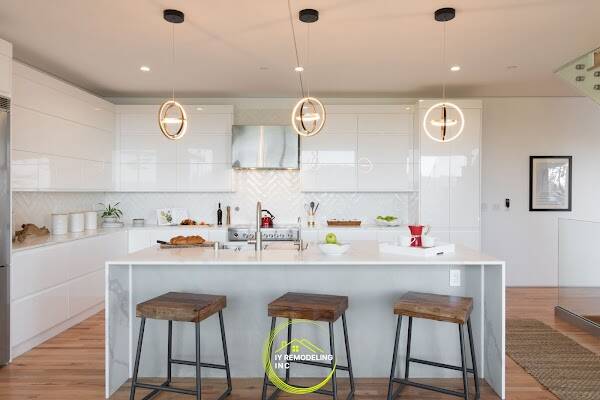
IY Remodeling Inc
IY Remodeling Inc What home renovation and addition services does this Seattle general contractor provide? Homeowners in Seattle and the sur…

Level Up Construction & Remodeling
Level Up Construction & Remodeling What makes this Seattle general contractor's process effective from concept to final walk‑through? Ba…
Walsh Construction Co.
Walsh Construction Co. How does a Seattle general contractor turn kitchen and bath remodels into resale value? Thoughtful kitchen and bath u…

Fradkin Fine Construction, Inc.
Fradkin Fine Construction, Inc. What is their approach to kitchen and bath remodeling in Seattle homes? As a Seattle-based general contracto…

Total Construction LLC
Total Construction LLC How do they manage a full-house renovation so daily life can keep moving? How disruptive will a whole-home renovation…

Schuchart
Schuchart What experience does this Seattle general contractor bring to home remodeling? Founded in 1988 by George Schuchart Jr., this Seatt…

Spaces General Contracting
Spaces General Contracting Which home remodeling services are available to Seattle homeowners? For many Seattle homeowners, remodeling is a …
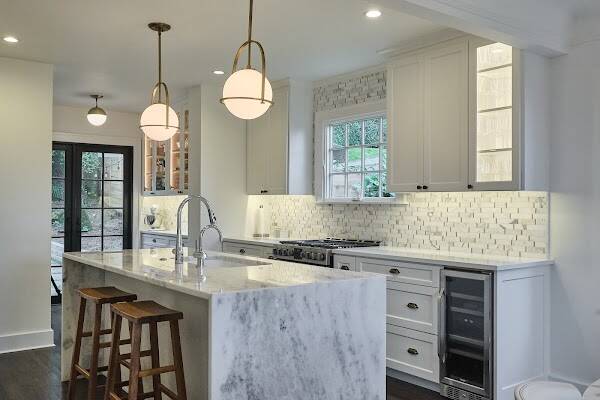
Mount Baker Remodeling
Mount Baker Remodeling How does a Seattle remodel turn into measurable resale value? Many Seattle homes charm buyers with history, yet dated…

Sellen Construction
Sellen Construction How does a Seattle general contractor update your kitchen or bath without upending your routine? Homeowners often ask ho…
Elite Construction Services LLC
Elite Construction Services LLC Who delivers residential design-build remodeling in Seattle with a detail-first approach? Based out of 918 S…

DPR Construction
DPR Construction How does a Seattle general contractor with technical-building roots approach home remodeling? In Seattle, Washington, DPR C…

Exceptional Home Builders
Exceptional Home Builders What remodeling and design-build services are available for Seattle homes? Exceptional Home Builders is a locally …
All General Contractors contractors in Washington
General Contractors contractors in other Washington cities
- Shoreline
- Sammamish
- South Hill
- Richland
- Spokane Valley
- Renton
- Spokane
- Redmond
- Tacoma
- Pasco
- Tri-Cities
- Olympia
- Vancouver
- Marysville
- Yakima
- Lakewood
- Auburn
- Kirkland
- Bellevue
- Kent

