
Guide to Mold Services for Homeowners in Sterling Heights, Michigan
Where do snow drift zones wet exterior walls around Sterling Heights homes?
In Sterling Heights, Michigan, the winter months often bring significant snowfall, and snow drifts can pose a serious issue for homeowners. Typical ranch-style and split-level homes in the area can experience snow accumulation around their foundations, particularly on the north-facing walls where sunlight is limited. These drifts can lead to moisture seeping into the walls, especially if the exterior siding is not properly sealed. The problem is compounded in homes with older architectural styles, which may not have modern weatherproofing techniques. Over time, as the snow melts and refreezes, water can penetrate small cracks in the foundation or siding. This persistent moisture exposure can create an ideal environment for mold to grow, particularly if the walls remain damp for extended periods.
How do thermal bridges and missing insulation create cold spots for condensation in Sterling Heights?
In many Sterling Heights homes, thermal bridges and inadequate insulation can lead to cold spots that are prone to condensation. Thermal bridges occur where materials with higher thermal conductivity, like metal beams or studs, pass through the insulation layer, creating a pathway for heat to escape. This is a common issue in the older homes prevalent in Sterling Heights, which may not have been built with modern energy efficiency standards in mind. As warm, moist air from the interior meets these cold spots, condensation can form, providing the moisture that mold spores need to thrive. Insulation gaps in attics or along exterior walls can exacerbate this problem, leading to increased energy bills and potential mold growth. Homeowners should consider upgrading insulation and addressing thermal bridges to mitigate these risks.
What should Sterling Heights homeowners do first after ice-dam events to limit mold?
Ice dams are a frequent concern during Sterling Heights’ harsh winters, often forming when snow on a roof melts and refreezes at the eaves. This can lead to water backing up under shingles and seeping into the home. After an ice-dam event, the first step for homeowners should be to carefully remove the snow and ice from the roof using a roof rake or by hiring a professional. Once the immediate threat is managed, it’s crucial to inspect the attic and ceilings for signs of water intrusion. Drying any wet areas promptly with fans or dehumidifiers can prevent mold growth. It might also be necessary to consult with a roofing specialist to improve attic ventilation or insulation, reducing the likelihood of future ice dams and associated mold risks.
Why do well-sealed buildings in Sterling Heights trap moisture if not balanced?
In Sterling Heights, where energy efficiency is a priority, many homeowners have invested in sealing their homes to conserve heat. However, a well-sealed building can inadvertently trap moisture if proper ventilation is not maintained. This is particularly true in homes with newer windows and doors that do not allow for natural air exchange. Without adequate ventilation, activities such as cooking, showering, and even breathing can increase indoor humidity levels. Over time, this trapped moisture can condense on cooler surfaces, like walls and windowsills, contributing to mold growth. To prevent these issues, homeowners should ensure their HVAC systems include humidity control features or use dehumidifiers to manage indoor moisture levels effectively.
Which housekeeping and clutter habits raise mold risk in Sterling Heights homes?
In Sterling Heights, cluttered and poorly ventilated spaces can significantly raise the risk of mold. Basements, which are common in local homes, often become storage areas filled with items that can restrict airflow. When cardboard boxes and other organic materials are left in damp conditions, they can absorb moisture and become breeding grounds for mold. Additionally, neglecting regular cleaning, especially in hidden corners and under furniture, allows dust and spores to accumulate. Homeowners should prioritize decluttering to improve air circulation and ensure regular cleaning routines include hard-to-reach areas. Keeping areas like bathrooms and kitchens dry and using exhaust fans can further help in minimizing mold risks.
Top Rated Mold Remediation Contractors in Sterling Heights
Based on verified ratings, recent review activity and license standing. How we pick
Thumb Inspections
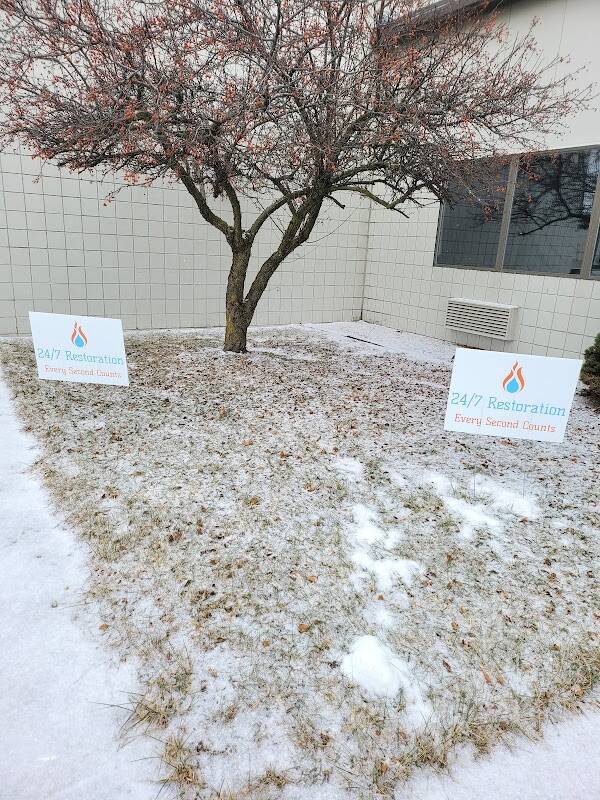
24/7Restoration
Why: Strongest review activity in the last 90 days.
M.G.R. Mold
Why: Specialist with a long local track record.
All Mold Remediation contractors in Michigan
Mold Remediation contractors in other Michigan cities
- Taylor
- St. Clair Shores
- Troy
- Southfield
- Warren
- Shelby
- Waterford
- Royal Oak
- West Bloomfield
- Rochester Hills
- Westland
- Pontiac
- Wyoming
- Livonia
- Ann Arbor
- Lansing
- Canton
- Kalamazoo
- Charter Township of Clinton
- Grand Rapids

