
A Homeowner’s Guide to Mold Services in Raleigh, North Carolina
Which soffit intake and ridge exhaust strategies suit Raleigh’s humid climate
In Raleigh, where the humid subtropical climate brings hot, muggy summers and mild winters, effective ventilation strategies are crucial for maintaining indoor air quality and preventing mold growth. Soffit intake and ridge exhaust systems are particularly effective in this environment. These systems work by allowing cooler air to enter through soffit vents and warmer, moist air to escape through ridge vents, creating a continuous flow of air that prevents moisture buildup. Given Raleigh’s frequent summer thunderstorms and high humidity, ensuring that these systems are properly installed and maintained is essential. Homes with traditional architecture, which is common in Raleigh, can benefit from discreetly integrated systems that do not disrupt the aesthetic appeal. Regular inspections can ensure that the vents remain free of obstructions such as leaves or debris, which can hamper their effectiveness.
Why do crawlspaces foster mold in Raleigh
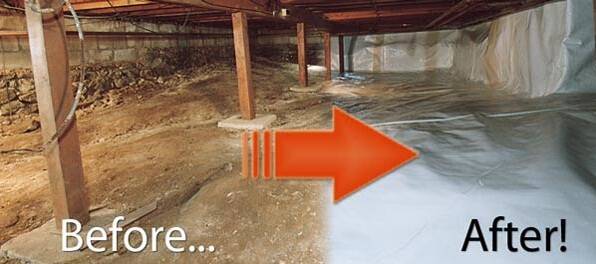
Crawlspaces in Raleigh homes are particularly prone to mold due to the region’s high humidity levels. The warm and moist conditions create a perfect breeding ground for mold, especially in older homes with poor insulation or inadequate ventilation. The soil in crawlspaces often retains moisture, which can seep into wooden structures and create a hospitable environment for mold growth. Additionally, the fluctuation between warm outdoor temperatures and cooler indoor air can lead to condensation, further exacerbating the issue. Homeowners should consider encapsulating their crawlspaces to reduce moisture entry and improve air quality. Regularly checking for leaks or pooling water can also help mitigate mold risks. Properly maintaining gutters and downspouts to direct water away from the foundation is another effective strategy to keep crawlspaces dry.
How does an undersized AC lead to high indoor humidity in Raleigh?
An undersized air conditioning unit can inadvertently lead to higher indoor humidity levels in Raleigh, a city where air conditioning is often a necessity due to the hot and humid climate. When an AC unit is too small for the space it needs to cool, it runs continuously without effectively removing humidity from the air. This results in a clammy and uncomfortable indoor environment and can also encourage mold growth. In Raleigh’s older homes, which might not have been originally designed for modern HVAC systems, this issue is particularly prevalent. Homeowners should ensure that their AC units are appropriately sized for their home’s square footage and layout. Consulting with a professional HVAC technician who understands the local climate can help in selecting the right system. Regular maintenance, such as cleaning filters and checking refrigerant levels, is also crucial to ensure optimal performance.
Where does hidden growth often occur in Raleigh homes?
Hidden mold growth in Raleigh homes frequently occurs in areas that are not easily visible or accessible. These include behind walls, under flooring, and within HVAC systems. The city’s humid climate can exacerbate moisture problems, especially in homes with inadequate insulation or ventilation. Bathrooms, basements, and attics are also common sites for hidden mold, as they are areas where moisture can accumulate unnoticed. In homes with traditional architecture, as seen throughout Raleigh, crawlspaces and attics can provide hidden nooks where mold can thrive. Regular inspections by professionals who understand the local climate and building styles can help identify and address these hidden mold issues before they become significant problems. Homeowners should also be vigilant for signs of mold, such as musty odors or unexplained health symptoms, which can indicate hidden growth.
How does duct leakage import humid air from crawlspaces in Raleigh
Duct leakage is a significant issue in Raleigh homes, as it can lead to the importation of humid air from crawlspaces, attics, or even the outdoors. When ducts are not properly sealed, they can pull in unconditioned, moist air from these areas into the home’s living spaces. This not only increases indoor humidity, contributing to discomfort and potential mold growth, but also makes HVAC systems work harder, reducing energy efficiency. In Raleigh’s older homes, duct systems may not have been updated to modern standards, making them more susceptible to leaks. Homeowners should consider having their ductwork professionally inspected and sealed to prevent this issue. Ensuring that crawlspaces and attics are well-ventilated and free of excessive moisture can also reduce the risk of humid air being drawn into the home through duct leaks.
Top Rated Mold Remediation Contractors in Raleigh
Based on verified ratings, recent review activity and license standing. How we pick
 +3 photos
Raleigh NC Mold Testing and Remediation
Jonell Mold Remediation
Why: Strongest review activity in the last 90 days.
Pure Air North Carolina – Raleigh
Why: Specialist with a long local track record, with 111+ reviews.
All Mold Remediation contractors in North Carolina
Mold Remediation contractors in other North Carolina cities
- Asheville
- Burlington
- Cary
- Chapel Hill
- Charlotte
- Concord
- Durham
- Fayetteville
- Gastonia
- Greensboro
- Greenville
- High Point
- Huntersville
- Jacksonville
- Rocky Mount
- West Raleigh
- Wilmington
- Winston-Salem

