
Your Essential Guide to Mold Services in Wilmington, North Carolina
Why do crawlspaces foster mold in Wilmington
Wilmington’s humid subtropical climate makes it particularly susceptible to mold growth, especially in areas like crawlspaces. These spaces are typically dark and poorly ventilated, creating an ideal environment for moisture accumulation. The region’s frequent rainfall can lead to water pooling under homes, which, without proper drainage, exacerbates the humidity levels beneath the floors. Older homes, which are common in Wilmington, may have outdated or inadequate vapor barriers that fail to prevent moisture from seeping in. Additionally, the proximity to the coast means that salty air can accelerate the degradation of building materials, making them more porous and conducive to mold growth. Homeowners should regularly inspect their crawlspaces and consider professional moisture control solutions to mitigate these risks.
Why do vacant or intermittently occupied Wilmington homes develop mold?
Vacant or intermittently occupied homes in Wilmington are particularly prone to mold issues due to the lack of regular maintenance and monitoring. Without daily activities to promote airflow, such as HVAC usage or opening windows, these homes can become stagnant, trapping moisture inside. The coastal climate only adds to the problem, as high humidity levels can penetrate even sealed homes over time. Older homes may have outdated insulation or ventilation systems that are not equipped to handle the region’s moisture levels effectively. When left unchecked, even small leaks or minor water intrusions can lead to significant mold issues. Regular inspections and the use of dehumidifiers can help manage these risks, keeping the indoor environment dry and mold-free.
What quick diagnostic tools help find root causes in Wilmington?
In Wilmington, utilizing quick diagnostic tools is essential for identifying the underlying causes of mold issues, given the area’s unique climate challenges. Moisture meters are invaluable for detecting hidden moisture in walls, floors, and ceilings, allowing homeowners to pinpoint problem areas without invasive procedures. Thermal imaging cameras can also be used to identify temperature differentials that indicate moisture presence behind surfaces. Hygrometers provide real-time data on humidity levels, helping to assess whether the indoor environment is conducive to mold growth. Additionally, air quality monitors can detect mold spores in the air, offering a comprehensive view of potential issues. These tools, combined with a professional inspection, can help homeowners address mold problems efficiently and effectively.
How can vinyl wallcoverings trap moisture in Wilmington hotels buildings?
Vinyl wallcoverings, popular in many Wilmington hotels for their durability and aesthetic appeal, can inadvertently trap moisture, creating conditions ripe for mold growth. The region’s high humidity means that moisture can easily become trapped between the vinyl and the wall surface, especially if the adhesive is not breathable. This can lead to condensation buildup, particularly in areas where the wallcovering is exposed to temperature fluctuations, such as near windows or exterior walls. In older buildings, where walls might not be perfectly sealed or insulated, this problem can be exacerbated. Regular inspections and choosing wallcoverings with moisture-permeable backings can help mitigate these issues, ensuring that hotels maintain a healthy environment for guests.
Top Rated Mold Remediation Contractors in Wilmington
Based on verified ratings, recent review activity and license standing. How we pick
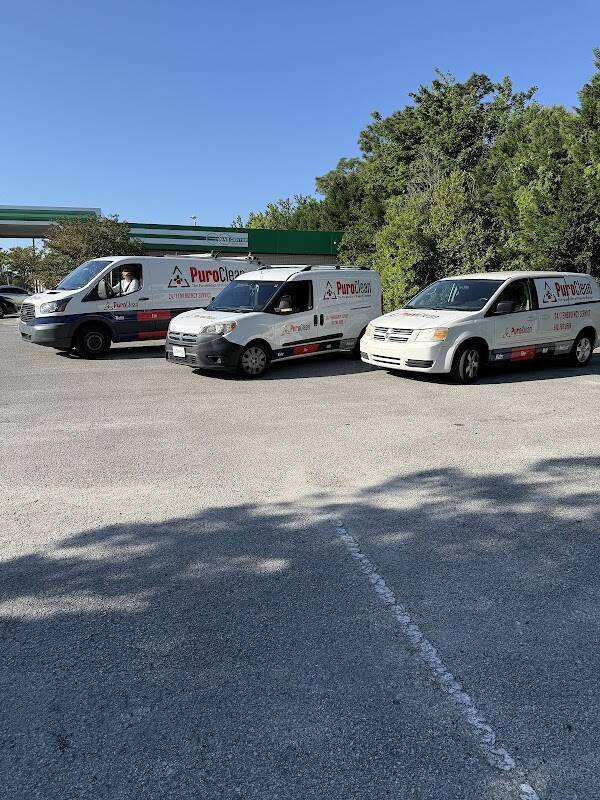 +1 photos
Puroclean Professionals
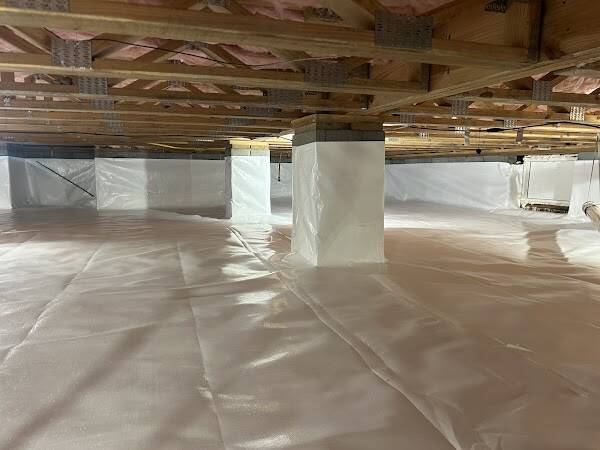
Cape Fear Crawl Spaces
Why: Strongest review activity in the last 90 days.
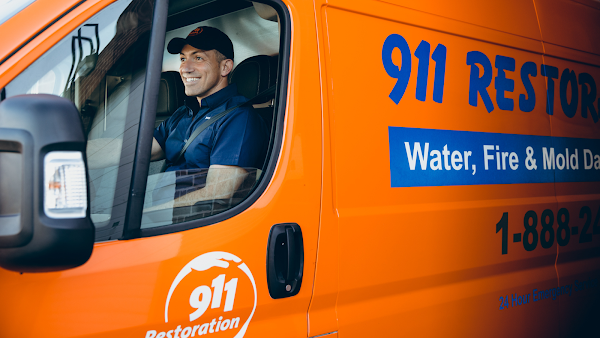
911 Restoration of Wilmington
Why: Specialist with a long local track record.
All Mold Remediation contractors in North Carolina
Mold Remediation contractors in other North Carolina cities
- Asheville
- Burlington
- Cary
- Chapel Hill
- Charlotte
- Concord
- Durham
- Fayetteville
- Gastonia
- Greensboro
- Greenville
- High Point
- Huntersville
- Jacksonville
- Raleigh
- Rocky Mount
- West Raleigh
- Winston-Salem

