






How Often Should You Schedule a Termite Inspection?
For most homeowners, scheduling a termite inspection once a year is recommended to catch early signs of infestation and avoid expensive structural damage. Termites are silent invaders that can destroy wood framing, flooring, and even furniture—often without being noticed until the damage is severe.
Annual inspections by licensed professionals help identify termite activity early, provide peace of mind, and ensure that preventive treatments remain effective. Homes in warmer, humid climates or those with a history of termite issues may need more frequent inspections—every six months in some cases.
Below, you’ll learn why regular termite checks are essential, whether older homes are more vulnerable, what warning signs indicate an immediate inspection is needed, and what to expect when hiring for pest control services.
Table of Contents
Why Are Regular Termite Inspections Important for Homeowners?
Termites cause billions of dollars in damage each year, and most of it isn’t covered by homeowners insurance. That’s why proactive termite inspection is one of the smartest steps you can take to protect your home.
Here’s why inspections matter:
- Early detection: Termites often work behind walls or beneath floors. Regular inspections catch the damage before it becomes extensive.
- Lower treatment costs: Identifying a small colony is much cheaper to treat than a full infestation.
- Protects your investment: Termites compromise structural integrity. Left unchecked, they can weaken support beams, floor joists, and wall framing.
- Peace of mind: Knowing your home is termite-free reduces stress—especially in high-risk areas.
- Maintains real estate value: Termite damage can reduce property value and complicate future sales.
Routine inspections can also reveal other wood-destroying organisms like carpenter ants, wood-boring beetles, or fungi, helping you stay ahead of all threats to your home’s integrity.
Do Older Homes Require More Frequent Termite Checks?
Yes—older homes often need more frequent inspections for several reasons:
- Construction materials and methods: Older houses may be built with untreated wood or lack termite-resistant features like concrete slab foundations or metal barriers.
- Structural vulnerabilities: Over time, gaps in foundations, weathered wood, and shifting frames create more entry points for termites.
- History of infestation: If termites have been treated in the past, ongoing monitoring is crucial to ensure the colony doesn’t return.
- Environmental exposure: Older homes may have mature landscaping, including trees and wood mulch near the foundation—ideal environments for termites.
- Limited prior maintenance: Some older properties may not have had consistent pest control, increasing the risk of undetected damage.
If your home is over 20 years old or has wood components in contact with the soil, it’s smart to schedule a termite inspection every 6 to 12 months. Regular checks will ensure that even hidden vulnerabilities are identified and treated before significant damage occurs.
What Are the Signs That You Might Need an Immediate Termite Inspection?
While termites are known for their stealth, there are clear signs that should prompt an immediate termite inspection:
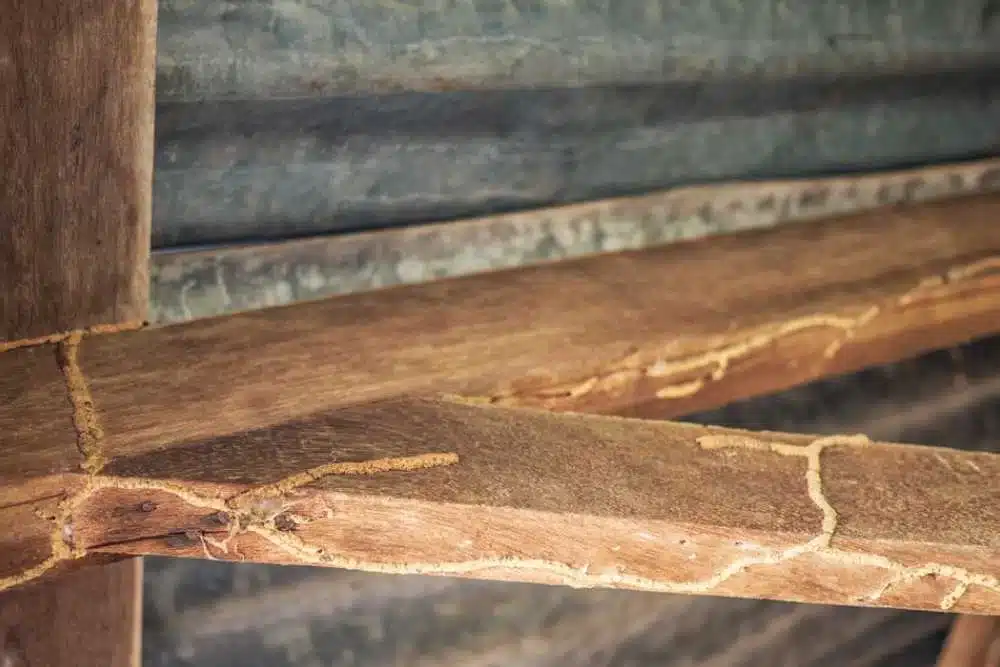
- Mud tubes on walls or foundations: Termites build pencil-width tubes to travel undetected between the soil and wood structures.
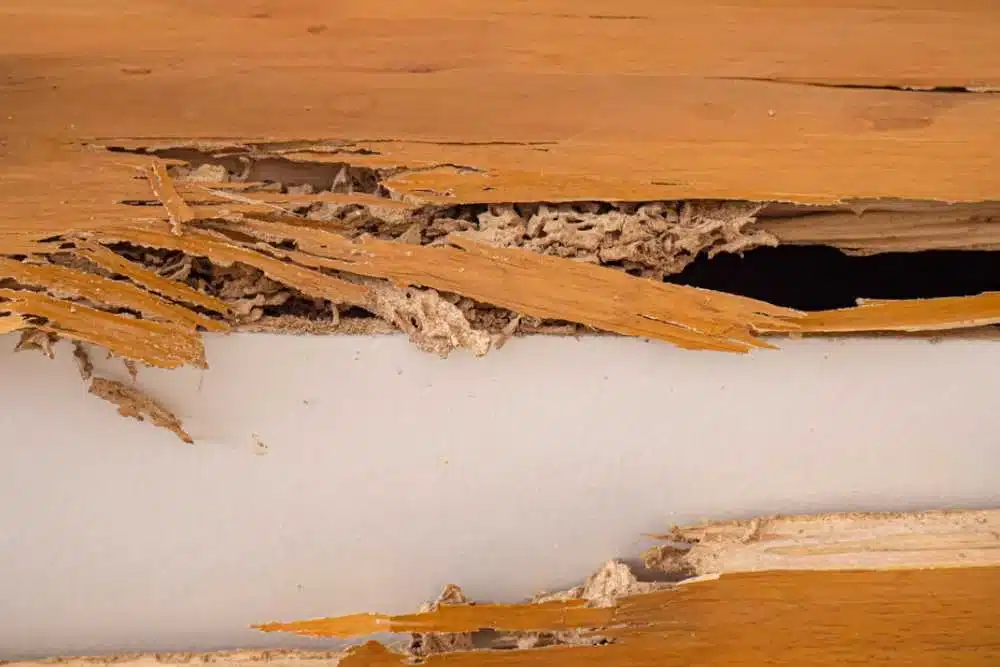
- Hollow-sounding wood: Tap on wooden surfaces—if they sound hollow, termites may have eaten through the inside.
- Discarded wings: Swarming termites shed wings in spring or after rainfall. Piles of wings near windows or light fixtures are a red flag.
- Frass (termite droppings): Drywood termites push out small piles of pellet-shaped waste near infested areas.
- Bubbling or uneven paint: This may be caused by moisture buildup from termites tunneling underneath.
- Sagging floors or ceilings: Structural weakening may indicate long-term, hidden termite activity.
- Clicking sounds in walls: Soldier termites bang their heads to signal danger, which can sound like faint tapping.
If you notice any of these symptoms, don’t delay—schedule a professional inspection as soon as possible. Acting quickly can save you thousands in repair costs.
What Happens During a Professional Termite Inspection?
A licensed pest control technician will perform a comprehensive evaluation of your property, including:
- Interior inspection
- Technicians inspect baseboards, window sills, crawl spaces, attics, and basements.
- They use moisture meters and tapping tools to detect weak or damaged wood.
- They look for visible signs of activity like frass, wings, or mud tubes.
- Exterior inspection
- Inspectors walk the perimeter, checking for foundation cracks, wood-to-soil contact, and landscaping issues.
- They look under porches, decks, and around sheds or woodpiles.
- Structural analysis
- In advanced inspections, technicians may use thermal imaging or fiber-optic scopes to examine inaccessible areas behind walls.
- Identification and reporting
- If termites are found, the inspector identifies the species and the extent of the infestation.
- A detailed report is provided, along with treatment recommendations and a quote if needed.
The entire process usually takes 45 minutes to 2 hours, depending on property size. Most professionals recommend annual or semi-annual re-inspections to keep your home protected.
Additional Tips to Prevent Termite Infestations
- Keep soil away from wood structures: Maintain at least 6 inches of clearance between soil and wooden siding or trim.
- Avoid storing firewood near your home: Keep logs at least 20 feet from your house and off the ground.
- Fix leaks quickly: Termites are attracted to moisture. Repair leaking faucets, gutters, and foundation cracks.
- Use mulch sparingly: Mulch retains moisture and attracts termites. Keep it 12–18 inches away from your foundation.
- Install physical barriers: Stainless steel mesh or sand barriers help keep termites out of foundations and walls.
- Schedule pre-treatment during construction: If you’re building or renovating, pre-treat the soil with a termiticide for added protection.
You should also regularly inspect outdoor wooden structures, such as decks, fences, and sheds, for early signs of termite activity. Maintaining proper drainage around your home prevents excess moisture from accumulating near the foundation, which reduces termite attraction. Trimming back shrubs and vegetation also improves airflow and decreases dampness near exterior walls.
Even simple tasks like cleaning clogged gutters or removing old tree stumps from your yard can significantly lower your risk of infestation. By combining these easy preventive steps with annual professional inspections for termites, you’ll create multiple layers of protection that help keep your home safe from costly termite damage.
Start Hiring for Annual Termite Inspections Today
A single colony can consume a pound of wood every day, quietly undermining your home’s structure. By the time visible damage appears, repair costs can soar into the thousands. That’s why an annual termite inspection is more than a maintenance task—it’s a vital part of preserving your home’s value and safety.
Professional pest inspectors are trained to find early signs of infestation and recommend targeted treatments or preventive strategies. In many cases, early intervention means avoiding the need for costly fumigation or structural repairs altogether.
Whether you own a new build, an older home, or a property in a termite-prone region, consistent inspections ensure that problems are caught early—and your investment stays protected.
American Home Quotes makes it easy to find licensed termite inspectors in your area. Enter your ZIP code or call 1-877-798-3378 today to compare free, no-obligation quotes from trusted local professionals and safeguard your home from costly termite damage.