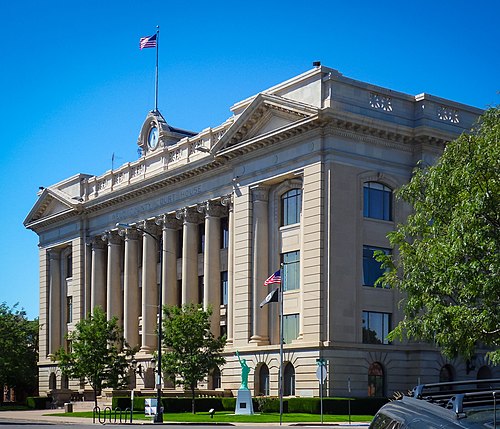
Your Essential Guide to Roofing Services in Greeley, Colorado
What’s the difference between repairing and replacing a roof in Greeley?
In Greeley, deciding between repairing and replacing a roof often hinges on the age of your home and the severity of the damage. Many houses in Greeley are older, given the city’s rich history and development, which means roofs might be nearing the end of their lifespan. If your roof is over 20 years old and has extensive damage, replacing it may be more cost-effective in the long run. However, if the damage is minor, such as a few missing shingles or leaks in an isolated area, a repair could suffice. The decision also depends on the type of roofing material; some materials, like asphalt shingles, are easier and less expensive to repair than others, such as slate or tile. Weather patterns in Greeley, characterized by hail and strong winds, can also influence the extent of damage, prompting a thorough inspection to determine the best course of action.
Which roof materials offer better resistance to wildfire embers near Greeley?
Given Greeley’s proximity to wildfire-prone areas, selecting the right roofing material is crucial for fire resistance. Metal roofing is an excellent choice as it is non-combustible and can withstand high temperatures, providing superior protection against embers. Another suitable option is clay or concrete tiles, which not only offer a traditional aesthetic but also resist fire effectively. Asphalt shingles with a Class A fire rating can also be considered, as they provide adequate protection and are cost-effective. When choosing materials, it’s essential to consult with local roofing experts who understand Greeley’s specific environmental concerns. Additionally, ensuring proper installation and maintenance can enhance the fire-resistance properties of your chosen material, providing peace of mind during fire season.
What should Greeley homeowners know about snow load and roof safety?
In Greeley, homeowners must be mindful of snow load, especially during the winter months when heavy snowfalls are common. The accumulation of snow on roofs can lead to significant structural stress, potentially causing collapse if not managed properly. It’s crucial to ensure that your roof is designed and constructed to handle the typical snow loads expected in the region. Regular inspections and maintenance are recommended to prevent weight-related damage. This includes clearing gutters and downspouts to prevent ice build-up, which can exacerbate snow load issues. Additionally, having a professional assess the integrity of your roof before the winter season can help identify potential weaknesses. Reinforcing areas prone to stress and ensuring proper insulation can also mitigate risks associated with heavy snow.
Which red flags indicate it’s time for fixes in Greeley?
Homeowners in Greeley should be vigilant about signs that indicate their roof needs attention. Frequent hailstorms and fluctuating temperatures can accelerate wear and tear. Look for warning signs such as missing or curling shingles, which suggest that your roof has suffered damage from wind or weather. Persistent leaks or water stains on ceilings and walls can indicate compromised roofing integrity and should be addressed promptly to prevent further damage. Sagging areas on the roof surface can signal serious structural issues, potentially due to water damage or excessive snow load. Additionally, the presence of moss or algae can be indicative of trapped moisture, which can degrade materials over time. Regular inspections, especially after severe weather events, can help catch these red flags early and extend the lifespan of your roof.
How do ice dams form in Greeley and what roof details reduce them?
Ice dams are a common issue in Greeley due to the city’s cold winters and temperature fluctuations. They form when heat escapes from the attic, melting snow on the roof, which then refreezes at the eaves, creating a dam that blocks further snowmelt from draining. This trapped water can seep under shingles and cause leaks. To reduce the formation of ice dams, proper attic insulation is crucial to minimize heat escape. Ensuring adequate ventilation can help maintain a consistent roof temperature, further preventing melting and refreezing cycles. Installing ice and water shields during roof construction or replacement can provide an added layer of protection against water infiltration. Regular maintenance, such as clearing gutters of debris, also aids in preventing ice dam formation by ensuring proper drainage.