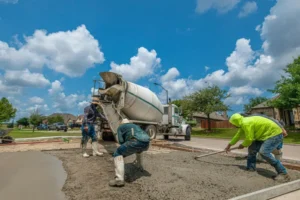
Home plumbing shapes how comfortably and safely you live every day. Choosing materials, planning pipe routes, and verifying code compliance all affect performance, water quality, and future costs. With residential plumbing installation done right, fixtures run quietly, drains clear fast, and hot water reaches taps without delay. Start by understanding how a complete system is designed, permitted, pressure-tested, and documented for long-term reliability.
What Does Residential Plumbing Installation Involve?
Installation starts during design, not the day pipes arrive on site. Plumbers map fixture locations, pipe sizes, vent paths, and shutoff points, room by room. They coordinate with framing, electrical, and HVAC to avoid conflicts and preserve service access. Plans reflect local code, water pressure, hot water demand, and the expected peak-use load.
Rough-in places the main stack, supply trunks, vents, and drain branches before walls close. Installers set slopes on drains, strap and isolate lines, and protect pipes at stud penetrations. Pressure and leak tests follow, using gauges and plugs to verify integrity under specified limits. Valves, backflow devices, and expansion tanks are placed where servicing will be safe and quick. Key materials commonly used during a new build include:
- Type L copper or PEX for potable supply lines
- PVC or ABS for DWV systems
- Quarter-turn ball valves for reliable shutoff
- Backflow prevention and vacuum breakers where required
- Expansion tanks on closed hot-water systems
After fixtures are set, plumbers connect traps, seal flanges, and verify clearances for use and cleaning. Commissioning includes flushing lines, purging air, setting water heater temperatures, and labeling shutoffs. For residential plumbing installation that meets code and warranty terms, choose licensed contractors through this trusted plumbing services directory. Documented photos, permits, and test records help validate work and speed future troubleshooting.
Why Is Proper Plumbing Design Important for a New Home?
Good design prevents noise, pressure swings, and temperature spikes that frustrate daily use. Right-sizing supply lines preserves water velocity while keeping flow strong at multiple fixtures. Thoughtful venting stops gurgling and sewer odors by keeping traps sealed under all conditions. Drain slopes and cleanout locations are planned so clogs are rare and easy to access.
Design also protects health by avoiding dead legs where stagnant water can harbor bacteria. Plumbers may specify recirculation or demand pumps so hot water travels quickly with less waste. Routing near interior spaces reduces freeze risk and helps with serviceability, insulation, and noise control. When the plumbing plan is designed holistically, every fixture performs consistently without surprises.
Permitting and inspections are smoother when drawings clearly show pipe sizing, vent stacks, and safety devices. Pressure, smoke, and camera tests confirm workmanship before finishes hide the system. If you want ongoing protection, schedule professional leak monitoring or targeted testing through specialized leak detection services. Planning for isolation valves, drain-downs, and accessible unions streamlines repairs and limits water damage.

How Do Plumbers Plan for Future Maintenance During Installation?
Future-proofing starts with access, labeling, and standardization. Installers place shutoffs on key branches and label them so rooms can be isolated quickly. Unions and dielectric fittings are set where heaters, softeners, and filters will need service. Cleanouts are oriented for tool access, and valves are positioned to avoid ceiling damage when opened.
Pros choose components with common sizes and readily available cartridges to simplify future fixes. They add hammer arrestors at quick-closing fixtures to protect joints and reduce stress. Trap primers in select locations keep floors safe, and expansion tanks are sized to the heater load. Where risk is higher, sensor valves or pans can trigger shutoff and contain minor incidents. During construction, ask your contractor to include these maintenance-friendly details:
- Full-bore valves with clear open and close orientation
- Access panels for tubs, showers, and backflow devices
- Labeled manifolds and branch shutoffs by room
- Cleanouts at directional changes, not just end points
- A printed and digital as-built diagram stored near the heater
Documentation matters as much as hardware because it saves time when stress is high. Photos of concealed piping, valve maps, and water-quality specs help any technician start fast. Keep a maintenance log with filter changes, heater flush dates, and fixture cartridge replacements. Store warranties and part numbers where they are easy to reach during an emergency call.
How Long Should a Residential Plumbing System Last?
Service life varies by material, water chemistry, and installation quality. Copper supplies often reach 50 years or more when water is neutral and velocity is controlled. PEX systems commonly last 25 to 40 years, with fittings and UV exposure being the critical factors. PVC and ABS drains can exceed several decades when properly supported and vented against surcharge.
Water heaters vary widely, with standard tanks averaging 8 to 12 years and high-end units longer. Anode rod maintenance, water hardness, and sediment flushing make a measurable difference over time. Pressure regulation also protects seals, supply lines, and appliance connectors from premature wear. Look for steady pressure near 60 psi, gentle closing valves, and well-supported lines to reduce stress.
Regular inspections catch corrosion at fittings, slow leaks at valves, and early signs of drain sag. If your home is aging into replacement territory, a whole-home assessment sets priorities and budgets. For planning, find trusted local pros and system guidance through our extensive plumbing resources. Comparing material options and warranties helps you choose upgrades with the best long-term value.
Key Takeaways on Residential Plumbing Installation
Keep these practical takeaways at hand when planning, reviewing, or approving your home’s plumbing work:
- Define fixture locations early to size lines correctly and minimize noisy, high-velocity runs.
- Standardize valves and fittings so replacements are easy to source during urgent repairs.
- Request labeled shutoffs, accessible cleanouts, and a simple diagram stored near the water heater.
- Confirm pressure, leak, and vent tests are completed and documented before finishing concealed piping.
- Choose materials suited to your water chemistry, climate, and budget, not just the lowest upfront cost.
- Plan for maintenance with unions, pans, and hammer arrestors where appliances cycle frequently.
- Schedule annual inspections to catch small leaks, sediment buildup, and deteriorating seals before damage spreads.
- Use recirculation or demand pumps to speed hot water while reducing wasted gallons and time.
- Keep part numbers, warranties, and service contacts in one place so urgent calls go faster.
Thoughtful planning, careful material choices, and verified testing create a system that runs quietly, drains reliably, and protects finishes. Keep records, label shutoffs, and follow a simple maintenance routine to extend service life and reduce surprises. When questions arise, a quick conversation with a licensed plumber can prevent small issues from turning into costly repairs.
Need a dependable pro fast without the guesswork or endless calls? American Home Quotes connects you with vetted, licensed plumbers and contractors in minutes, delivering multiple free quotes, transparent pricing context, and verified credentials so you can decide with confidence. For immediate help, call 1-877-792-5461 to reach a friendly team that matches your project with trusted providers based on your ZIP code, timing, and needs. You get scheduling options, approximate timelines, and clear next steps before anyone comes to your door. There is no cost or obligation, just fast introductions to pre-screened experts who respect your home, show up prepared, and stand behind their work. That means fewer surprises, safer work practices, and a smoother experience from estimate to final walkthrough.