High heat, intense sun, and sudden storms can shorten a roof’s life and spike cooling bills. The right material and ventilation keep attic temperatures down and protect underlayment and framing. Poor choices lead to early cracking, loose fasteners, and energy waste that adds up month after month. A licensed roofer can evaluate your home’s structure, slope, and local weather to recommend the best roofing materials for hot climates.
Professional installation matters because heat expands and contracts roofing daily, and small mistakes become leaks under UV and wind. Pros account for ventilation, radiant barriers, and fastening patterns that keep panels or tiles stable, even through thermal stress. They also factor in fire rating, hurricane uplift, and code compliance so your warranty stays valid and insurance coverage is protected. Schedule an expert assessment to align material performance with budget and get a safe, durable system installed the first time correctly.
Metal Roofing for Maximum Heat Reflection
Metal roofs reflect a high percentage of solar radiation, which helps keep attic temperatures lower and reduces strain on your air conditioner. Standing seam aluminum and steel panels with high SRI coatings are especially effective in hot regions. Properly detailed seams, clips, and expansion joints prevent oil canning and fastener backout as panels expand and contract daily.
Many systems carry high wind ratings and Class A fire resistance when installed to code. With the right underlayment and ventilation, metal handles heat better than many alternatives. For budget planning, it helps to review the typical price ranges by panel type and coating in an independent breakdown, like the average cost of roof replacement by material.
Professional installers calculate thermal movement and specify clips and fastener spacing that match panel length and local temperature swings. They also select cool roof finishes verified by Energy Star or CRRC to maximize reflectivity without sacrificing durability. A licensed contractor will examine decking condition, attic ventilation, and flashing transitions before recommending the best roofing materials for hot climates.
That comprehensive evaluation prevents issues like condensation, corrosion from salt air, or galvanic reactions between metals. Using a vetted matching service such as American Home Quotes saves time, confirms insurance and licensing, and brings multiple bids from pros experienced with heat, wind, and UV. Comparing detailed proposals side by side helps you see warranty terms, coatings, and accessories clearly before signing.
Clay and Concrete Tiles for Natural Thermal Resistance
Clay and concrete tiles excel in hot regions because their mass and profile create natural airflow paths that dissipate heat. Light colors and reflective glazes further reduce solar gain and slow heat transfer to the attic. Tiles are noncombustible and resist UV, but they demand a strong deck and correct fastening to handle wind. In dry heat, they perform exceptionally well, while in humid zones, attention to underlayment selection and ventilation becomes critical.
Tile systems can last decades when maintained, yet foot traffic and debris can crack pieces if care is not taken. Weight calculations and structural checks are essential before committing to a tile upgrade.
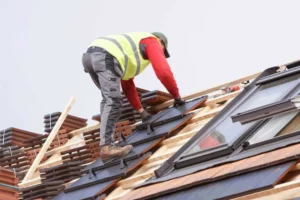
Experienced tile contractors set proper battens, use foam or mechanical fasteners as required by code, and stage walking paths to avoid breakage. They also inspect valleys, hips, and penetrations to install two-part flashings that shed water during sudden downpours. In hurricane-prone areas, pros verify fastening patterns and edge securement that meet the latest uplift standards. Homeowners in coastal zones can review regional insights by browsing guidance specific to Florida roofing contractors and codes to understand expectations.
Working through a reliable matching platform like American Home Quotes ensures tile specialists are licensed, insured, and familiar with local wind maps. Multiple bids will outline underlayment type, batten details, and color options so you can balance performance with curb appeal.

Cool Roof Shingles Designed to Lower Energy Costs
Cool roof asphalt shingles use reflective granules that bounce sunlight and reduce surface temperature compared with traditional dark shingles. Many carry Energy Star certification and can be paired with ridge vents and balanced intake to improve airflow. Light gray, tan, and white shades reflect more heat without sacrificing warranty coverage. Because shingles expand and soften in heat, correct nailing pattern and spacing are vital to avoid blistering or sliding.
Quality underlayments with high temperature ratings protect against asphalt bleed and stick. A careful attic inspection is necessary to confirm that ventilation and insulation are aligned.
Licensed roofers will measure intake and exhaust net free area, adjust soffit vents, and set the ridge vent length that fits your roof geometry. They also confirm deck condition and replace heat-aged felt with modern synthetic membranes before laying shingles. For homes with minimal shade or large south-facing slopes, contractors sometimes add exterior insulation above the deck to moderate heat flow, and you can learn about options in this overview of exterior roof insulation benefits and costs.
This approach works alongside reflective shingles to cut cooling loads further. When comparing proposals, it helps to ask which brands qualify for local energy rebates and which accessories are included. Using American Home Quotes streamlines the process by sending your project to vetted pros who specify the best roofing materials for hot climates with transparent pricing and timelines.
Comparing Lifespan and Maintenance in High-Heat Environments
Heat, UV, and thermal cycling affect different materials in different ways, which changes how long a roof realistically lasts. Metal can exceed 40 years when coatings are maintained, while tile often reaches 50 years or more with periodic underlayment refresh. Reflective shingles typically range from 20 to 30 years, depending on climate zone and ventilation quality. Lifespan claims on brochures assume perfect installation and maintenance, so local experience matters. Choosing materials is easier when you understand the key upkeep that preserves performance in hot weather:
- Schedule annual inspections before peak summer.
- Clean gutters and valleys to prevent heat-trapping debris.
- Touch up sealants and coatings as soon as UV wear appears.
- Check ventilation balance and clear blocked soffits.
- Trim overhanging branches that drop leaves and rub finishes.
Professional maintenance keeps heat-exposed roofs performing to spec. Contractors inspect seams, flashings, and penetrations, clean debris that traps heat, and reseal or repaint coatings before degradation accelerates. They also document conditions with photos that support warranty claims and reduce insurance disputes. Scheduling seasonal checkups is especially valuable after extreme heat waves or storms.
Choosing a contractor with verified credentials and manufacturer training protects both warranty and safety. A vetted marketplace like American Home Quotes confirms license, insurance, and references before introducing you to local specialists. You can compare written scopes, maintenance plans, and response times to decide who best supports your roof over its life. That approach saves time and reduces the risk of hiring an unvetted crew that cuts corners.
Frequently Asked Questions About Heat-Reflective Roofing Options
Homeowners often ask these practical questions when deciding on a hot-climate roof:
-
Which roofing type keeps homes coolest in summer?
Metal with high SRI coatings and light-colored reflective shingles both lower surface temperatures significantly. Tile also performs well by promoting airflow under the covering.
-
How much more do reflective materials cost?
Premium coatings or reflective granules can add a modest upfront cost compared with standard options. Many homeowners recoup the difference through lower cooling bills.
-
What is a realistic installation timeline in peak heat?
Most residential projects finish in one to three days depending on size and complexity. Crews often start early, stage materials in shade, and use heat-safe adhesives.
-
How do I know if my attic ventilation is adequate?
Signs include high attic temperatures, musty smells, or curled shingles near the ridge. A roofer can measure intake and exhaust areas and balance the system.
-
Are there rebates for energy-efficient roofs?
Some utilities and municipalities offer incentives for Energy Star or cool roof products. Contractors familiar with local programs can help file paperwork.
-
What warranties should I expect in hot regions?
Look for manufacturer coverage on materials and a separate workmanship warranty from the installer. Proper registration and maintenance are usually required to keep coverage valid.
Key Takeaways on the Best Roofing Materials for Hot Climates
Here are the most important points to remember:
- Reflective metal and light-colored shingles reduce heat gain and lower cooling costs.
- Clay and concrete tiles resist UV and create airflow, but require strong decking.
- Correct ventilation, underlayment choice, and fastener patterns are critical in hot zones.
- Licensed, vetted roofers protect warranties and meet fire, wind, and local code requirements.
- Maintenance plans extend lifespan by addressing UV wear, sealants, and debris early.
- Comparing multiple bids clarifies coatings, accessories, and long-term ownership costs.
A durable, efficient roof comes from pairing the right material with expert installation and ventilation. Transparent proposals and proof of credentials help you choose confidently. A little diligence up front prevents leaks, premature aging, and surprise expenses later.
When timing matters, a trusted referral service simplifies everything by matching your project to screened specialists for the best roofing materials for hot climates. Call 1-877-299-0515 to connect quickly, or visit American Home Quotes to request competing bids. Every contractor in the network is pre-checked for licensing, insurance, and experience with hot-climate installations. Compare options, confirm availability, and move forward with confidence.
External Sources
- BrokerCalls: How Roofing Contractors Build a Reliable Lead Pipeline
- BrokerCalls: Can Roofing Contractors Get Leads Directly from Insurers?
- BrokerCalls: Roofing Leads