Unsure what your roof warranty actually protects and how to use it when the roof shows wear? The details matter because coverage depends on the source of the problem, the materials used, and whether installation met the manufacturer’s standards. Reputable contractors document conditions, identify the root cause, and match proof to the correct coverage path so you do not waste time or risk a denied claim. With a licensed pro managing inspection, photos, and paperwork, you can resolve issues faster, limit out-of-pocket costs, and protect your home’s structure.
Trying to handle roof issues alone often leads to missed code details, incorrect repairs, and lost eligibility. Professionals follow safety protocols, verify ventilation and flashing details, and provide compliant fixes that last. They also help you track serial numbers, installation dates, and maintenance logs that claims departments request. Get a qualified specialist on site quickly to stop active leaks, document damage the right way, and restore confidence in your roof’s long-term performance.
Manufacturer vs. Workmanship Warranties: What’s the Difference?
Homeowners often feel stuck between calling the installer or contacting a shingle brand when a problem appears, and the right path depends on the cause. A manufacturer’s warranty generally covers defects in the product itself, while a workmanship guarantee covers installation errors and the labor to correct them. Understanding which roof warranty applies saves time and helps you work with the correct party on documentation and repair authorization.
Certified roofing contractors test for product defects versus installation mistakes by examining nailing patterns, underlayment, starter courses, ventilation, and flashing. They also photograph every deficiency and check building codes to determine whether labor or material coverage should respond. A vetted matching platform like American Home Quotes connects you to licensed pros who can separate material failure from installation error, so the proper guarantor handles the fix.
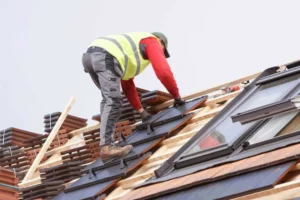
Professional roofers start with a methodical inspection and moisture mapping to determine whether water traveled under laps or entered at a penetration. If the pattern suggests an installation error, the contractor uses the workmanship guarantee to correct the detail and restore integrity. If the pattern points to a shingle defect or premature granule loss, they help initiate a manufacturer claim with batch numbers, lot codes, and site photos.
You can also explore qualified options for tear-off, repairs, or specialty systems by reviewing the roofing services available in your area. Having the right expert identify the source prevents finger-pointing and speeds an approved remedy. With clear cause analysis and proper paperwork, you protect your coverage and avoid paying for the wrong type of repair.
What Roof Warranties Typically Cover — and What They Don’t
Coverage varies widely, but most product warranties protect against manufacturing defects that cause leaks or premature failure under normal conditions. They often exclude damage from impact, foot traffic, improper ventilation, or installation errors unless you purchased an enhanced package through a certified installer. Wind coverage may be limited to specific speeds, algae stain protection is commonly cosmetic, and ponding water can be excluded on low-slope areas.
Workmanship guarantees generally cover the labor to correct errors the original installer made, not issues caused by non-roof trades or accessory installations. A licensed pro documents ventilation rates, roof slope, fastener patterns, and flashing workmanship so the claim routes correctly. Using American Home Quotes to find a prescreened roofer adds confidence that the contractor understands coverage language, submittal steps, and the repair standards claims teams expect.
It helps to compare typical inclusions and exclusions side by side, so expectations match the policy language and proof your contractor gathers aligns with claim requirements. Consider these common gaps homeowners should watch for:
- Storm impact or fallen tree damage handled by insurance, not product guarantees
- Leaks from unsealed satellite dishes, solar mounts, or new penetrations added after installation
- Improper attic ventilation leading to shingle curling and heat damage
- Foot traffic scuffs, pressure-washing, or chemical cleaning damage
- Mixing brands or components without approved system integration
- Ponding water on low-slope areas beyond the specified time limits
Documentation quality makes the difference between approval and denial, so professionals track serial numbers, shingle bundles, underlayment type, and installation dates. They also gather maintenance records to show the roof has been reasonably cared for over time. To reduce exclusions tied to neglect, schedule routine checkups through residential roof maintenance services and keep digital copies of every visit.
Simple actions like clearing debris from valleys, replacing damaged flashing, and maintaining attic ventilation can sustain eligibility. A vetted contractor will explain each coverage limit in plain language and propose a compliant plan to repair the roof without risking your claim. That clarity helps you budget wisely and move forward with confidence.

How Long Roof Warranty Coverage Usually Lasts
Coverage length depends on product tier, installation certification, and whether you registered the roof after installation. Many asphalt systems advertise 25–50 years or a limited lifetime on materials, but the protection is often prorated after an initial non-prorated term. Workmanship guarantees from installers frequently range from one to ten years, while some manufacturer-backed labor coverage requires certified crews and full system components.
The timeline can change if you add an upgraded system warranty, complete the required registration steps, and maintain the roof per the manufacturer’s guidelines. Proration schedules reduce payout amounts over time, so early leaks often receive stronger remedies than issues discovered years later. A qualified contractor explains what the clock means for material replacement, tear-off, disposal, and associated labor so your expectations match the written terms.
Planning ahead matters because you want the roof’s service life to exceed the guarantee, not merely match it. If inspection reveals end-of-life wear and limited remaining protection, your contractor may recommend a proactive replacement under a reroof plan rather than short-term patching that does not carry substantial coverage. That decision often pays off when proration, inflation in labor rates, and repeated service calls would exceed the value of a new system.
When a new system is warranted, you can compare certified options and timelines by reviewing professional reroofing services and confirming eligibility for enhanced material and labor guarantees. A clear understanding of roof warranty durations, registration requirements, and proration helps you time maintenance, repairs, and replacement effectively. With the right pro guiding each step, your documentation will support the best possible outcome if a claim is needed later.
Common Mistakes That Can Void Your Roof Warranty
Small missteps can invalidate coverage, and many happen during well-intentioned DIY work or by non-roofing trades. Drilling into shingles for antennas, skipping manufacturer-required starter courses, or using the wrong fasteners can shift all responsibility back to the homeowner. Even good-looking repairs may void eligibility if components from multiple brands are mixed without an approved system or if ventilation falls short of the specified ratio.
Harsh cleaning methods like pressure washing remove protective granules and count as improper maintenance. Reroofing over multiple layers against code can also jeopardize protection, especially if moisture becomes trapped. American Home Quotes helps you avoid these pitfalls by matching you with pros who follow manufacturer specs, document every step, and provide receipts that preserve eligibility.
To protect coverage, focus on a few critical habits that reduce risk and preserve proof of proper care:
- Schedule annual inspections and after-storm checkups with photo documentation
- Use licensed, insured roofers who follow the manufacturer’s installation guides
- Avoid new penetrations without proper flashing kits and permits
- Do not pressure wash; use approved cleaning methods when needed
- Keep attic ventilation clear and balanced per code and product specs
- Save all invoices, material receipts, and registration confirmations
Quick action matters when leaks start, because delays can lead to wood rot and claim disputes over neglect. If water is entering the home, a qualified roofer can tarp safely, stabilize damage, and create the paper trail adjusters and warranty administrators expect. You can get rapid help by arranging emergency roof repair from a vetted contractor instead of attempting temporary fixes that may cause more harm.
Professionals will photograph all conditions before mitigation, label materials, and show that the steps taken were reasonable and compliant. That approach keeps attention on the true cause and not on avoidable missteps that risk eligibility. With a disciplined process, you can protect both your home and your coverage.
Frequently Asked Questions About Roof Warranty Coverage and Compliance
Here are concise answers to the most common homeowner questions on coverage, claims, and hiring the right roofer:
-
What is the difference between manufacturer coverage and an installer’s guarantee?
Manufacturer coverage addresses defects in roofing materials under normal use, while an installer’s guarantee covers labor errors. A qualified roofer inspects and determines which policy applies based on the cause.
-
What proof is usually required to submit a claim?
Expect photos, installation dates, product batch numbers, and maintenance records, plus a written cause-of-loss report. Contractors gather this evidence and send it in the format administrators prefer.
-
Are storm leaks covered by a roofing guarantee or by insurance?
Impact or wind damage typically falls under homeowners’ insurance, not a product or labor guarantee. A roofer can document conditions so each party handles the correct portion of the repair.
-
Can coverage transfer if the home is sold?
Many programs allow a one-time transfer within a set window if paperwork is filed and fees are paid. The buyer should request proof of registration, installation details, and any transfer confirmation.
-
How long does typical coverage last, and what does proration mean?
Materials often have an initial non-prorated term followed by reduced payouts as the roof ages. Proration means the benefit declines over time based on a schedule in the policy.
-
Will professional maintenance help keep coverage valid?
Yes, routine inspections and small preventive repairs create the maintenance record administrators expect. Keeping receipts and photos shows reasonable care and can prevent a denial.
Key Takeaways on Roof Warranty
- Know who covers what: materials versus installation labor.
- Strong documentation and timely reporting drive claim approvals.
- Exclusions commonly include impact damage, poor ventilation, and DIY penetrations.
- Coverage length and proration vary by product tier and registration.
- Certified installers and approved systems help preserve eligibility.
- Routine inspections and fast leak response reduce denial risks.
Choosing experienced, vetted roofers protects coverage and ensures repairs align with manufacturer specifications. For roof warranty, broader planning, and contractor evaluation, it helps to review best practices and compare multiple bids, and you can learn practical selection steps when you read how to choose the right general contractor for your home project.
For fast, reliable help, connect with a prescreened roofing contractor who can inspect, document, and repair your roof to program standards. American Home Quotes makes it easy to compare multiple providers at no cost and on your schedule. Speak with a specialist at 1-877-299-0515 or contact American Home Quotes to get matched with licensed, insured professionals in your area.
External Sources
- BrokerCalls: Roofing Leads That Convert | Get High-Quality Calls
- BrokerCalls: Learn How to Generate Quality Roofing Leads
- BrokerCalls: Can Roofing Contractors Get Leads Directly from Insurers?