
Concord, NC General Contractor Guide from a Home Inspector’s Perspective
What are the most common home remodeling projects in Concord?
From design to completion, Concord contractors guide you every step of the way. In a city that serves as Cabarrus County’s seat and the second-most populous community in the Charlotte metro, I see a steady mix of projects shaped by our housing stock—historic downtown homes, 1960s–1980s brick ranches, and large 1990s–2000s subdivisions. Kitchen and bath overhauls are frequent, especially where older layouts feel closed-in and ventilation is weak for our humid summers. Many homeowners remove a wall between a kitchen and family room, and the big lesson is to budget for proper structural support because plenty of those walls are carrying roof or floor loads. Crawlspace encapsulation and dehumidification are also common upgrades; Concord’s red clay and summer humidity drive moisture and fungal growth beneath older homes more than people expect. Exterior refreshes—fiber-cement siding, better attic insulation, and low-e window replacements—show up all over west-facing elevations that cook in July sun. Near the Charlotte Motor Speedway and busy corridors, I’ve also seen demand for noise-dampening improvements like insulated doors and laminated glass, often paired with porch or sunroom additions to make seasonal pollen more manageable.
Which retrofitting options improve home resilience in Concord?
Roofing upgrades make a noticeable difference here because summer thunderstorms and the occasional winter ice event test flashing and shingles. I recommend higher-wind-rated architectural shingles, careful attention to drip edges and step flashing around chimneys and dormers, and leak barriers in valleys and at penetrations—those details are where I find most attic stains during inspections. Adding hurricane ties or better roof-to-wall connectors in older homes can tighten the load path so gusty storms don’t work fasteners loose over time. Concord’s clay soils shed water quickly at the surface but hold it deeper, so regrading, larger 6-inch gutters, extended downspouts, and, when appropriate, French drains help keep crawlspaces drier and foundations less stressed. In historic and mid-century homes, I often see wavy floors that benefit from crawlspace beam shoring and new piers, but only after moisture control is handled first. Whole-home surge protection is another smart retrofit; lightning around summer cells can take out appliances in a blink. For homeowners close to tall pines or oaks, pairing routine tree maintenance with impact-resistant roofing accessories and reinforced soffits reduces damage from limb strikes and wind-driven rain.
What local programs support energy-efficient building in Concord?
In Concord, many homeowners start with their utility’s offerings—Duke Energy Carolinas commonly provides rebates for high-efficiency HVAC and weatherization measures, and customers served by City of Concord Electric Systems should check current residential programs directly with the utility. The North Carolina Weatherization Assistance Program helps eligible households improve insulation, air sealing, and HVAC performance; I’ve inspected several homes that saw steadier indoor humidity after those upgrades. Piedmont Natural Gas has historically offered incentives for qualifying gas appliances and water heaters, so it’s worth confirming active rebates before you purchase equipment. For a clear snapshot of what’s available at any given time, the DSIRE database managed by NC State University is a reliable, North Carolina-specific resource. Concord’s mix of older crawlspace homes and newer open-plan builds benefits a lot from duct sealing and right-sized heat pumps, and I often recommend pairing rebates with a Manual J load calculation to avoid oversizing. When you combine utility incentives with federal tax credits currently in effect, projects like heat pump water heaters, attic air sealing, and window replacements become much more cost-effective in our climate.
How should Concord homeowners verify a contractor’s license and insurance?
Start by looking up the company on the North Carolina Licensing Board for General Contractors website to confirm the license number, the exact name on the license, and that the status is active. Ask the contractor’s insurance agent—not the contractor—to email you a current certificate of general liability and, when applicable, workers’ compensation, and have it issued in your name as certificate holder so you get notified if it lapses. For projects that will require permits in the City of Concord, confirm in writing which party pulls the permits and request copies of the permit and final inspection approvals; this is a simple step that prevents headaches at resale. Check recent jobs in Cabarrus County similar to yours and call those references; you’re looking for schedule accuracy, cleanliness around crawlspace and attic work, and how change orders were handled. You can also use American Home Quotes (AHQ) to compare licensed, insured pros in the Concord area and line up apples-to-apples proposals. Always verify the license and insurance directly with the issuing sources before you sign a contract. Enjoy peace of mind with a reliable contractor in Concord. Schedule a same-day consultation in Concord.
Top Rated General Contractor Contractors in Concord
Based on verified ratings, recent review activity and license standing. How we pick
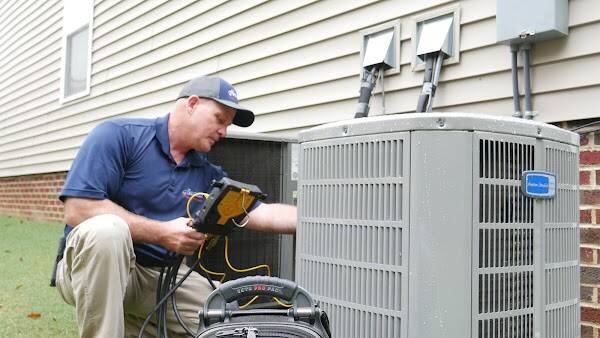 +3 photos
Hoosier, Inc.
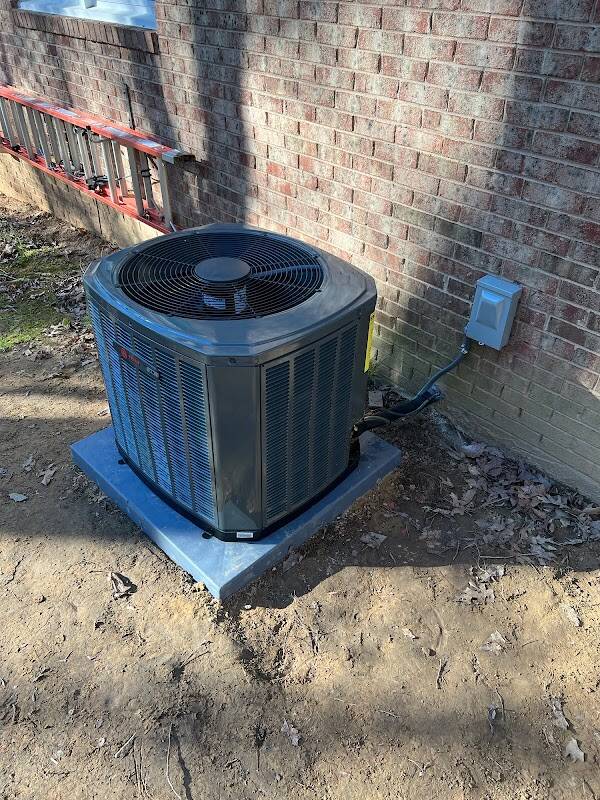
Blue Collar Trades, L.L.C. of Concord, Mooresville & Davidson
Why: Strongest review activity in the last 90 days.
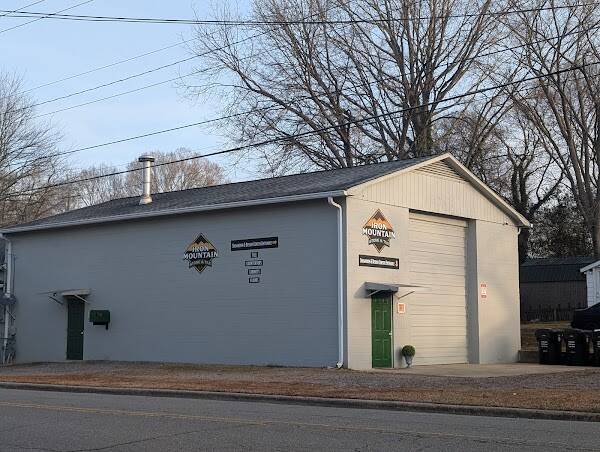
Iron Mountain Stone and Tile
Why: Specialist with a long local track record.
All General Contractors contractors in North Carolina
General Contractors contractors in other North Carolina cities
- Asheville
- Burlington
- Cary
- Chapel Hill
- Charlotte
- Durham
- Fayetteville
- Gastonia
- Greensboro
- Greenville
- High Point
- Huntersville
- Jacksonville
- Raleigh
- Rocky Mount
- West Raleigh
- Wilmington
- Winston-Salem

