
Greensboro, NC Homeowner’s Guide to Hiring and Working With General Contractors
From design to completion, Greensboro contractors guide you every step of the way. In a city that anchors Guilford County and leads the Piedmont Triad in population, projects range from updating mid-century ranches to adding space to newer subdivisions serving a metro of roughly 801,000 residents. Greensboro’s mix of early-20th-century bungalows and brick homes, paired with sticky summers, sudden downpours, and occasional winter ice, shapes how renovations are planned and executed. In Greensboro, successful renovations hinge on moisture-smart materials and tight trade coordination aligned with the city’s aging housing stock and humid Piedmont climate. With the city estimated at 307,381 residents in 2024, demand for reputable contractors is steady, and schedules can fill quickly. The right pro will tailor solutions to your lot’s red clay drainage, your home’s era, and the region’s weather swings.
Which moisture-resistant materials reduce callbacks in Greensboro remodels?
In Greensboro’s humid Piedmont setting, fiber-cement siding stands up better than hardboard or unsealed wood, especially on weather-facing walls that take summer sun and fast-moving thunderstorms. Pair it with PVC or composite trim to avoid rot at window surrounds and rake boards, and specify stainless or coated fasteners so hardware doesn’t streak or corrode. For bathrooms and laundry rooms that see daily humidity, porcelain tile over a true waterproofing membrane and cement backer—not just “moisture-resistant” drywall—keeps grout lines intact and walls dry, and epoxy grout resists staining. In kitchens, quartz or solid-surface counters and a well-detailed tile splash guard against splashes, while luxury vinyl plank or sealed engineered flooring handles seasonal moisture better than site-finished hardwoods near entries. Greensboro’s red clay can hold water around foundations, so contractors often recommend robust guttering, downspout extensions, and properly detailed flashing at ledger boards and door thresholds to steer water away. For additions and reroofs, an upgraded underlayment and ice-and-water barrier at eaves and valleys helps with the occasional ice event, and composite or rot-resistant decking with taped joists prevents callbacks where decks meet the house.
How to coordinate structural, HVAC, and electrical scopes in Greensboro additions?
Start with a structural assessment that respects the city’s common house types—load paths in one-story brick ranches differ from bungalow rooflines—and let an engineer detail headers and footings before mechanicals are laid out. HVAC design should include a proper load calculation that accounts for Greensboro’s humidity, right-sized equipment, and ducts routed to avoid compressing runs in shallow attics or low crawlspaces common across the Triad. Many contractors opt for dedicated systems or ductless units for bonus rooms and sunrooms, preventing comfort gaps that come from simply extending an old trunk line. Electrical planning typically evaluates panel capacity in older homes and routes for new circuits to kitchens, EV chargers, or workshops without overfilling crawlspaces or interfering with structural members. A preconstruction meeting that includes framing, HVAC, electrical, and roofing trades sequences work—framing and sheathing first, then rough-ins—so everyone has clear access before insulation and drywall close up walls. Finally, Greensboro’s fast summer storms can disrupt crane days and roof tie-ins, so schedules often build in weather buffers for safe structural and rooftop work.
How do general contractors estimate project costs in Greensboro?
Estimating usually begins with a site visit that weighs era-specific challenges—plaster walls, prior remodels, and undersized mechanicals are common in older Greensboro homes—and flags moisture or grading issues tied to the area’s clay soils. Contractors solicit quotes from Triad-area suppliers and trade partners, then build a tiered budget with allowances for cabinets, fixtures, and finishes to keep selections flexible without stalling progress. Lead times for items like windows and specialty doors are factored into both cost and schedule, reflecting regional demand across the Greensboro–High Point market. Estimates also set contingencies for hidden conditions behind tile or paneling, and they note potential premiums for storm-season roofing or framing when crews are in high demand. Because Greensboro is the county seat with an active permit and inspection calendar, timelines typically include review and inspection windows, even if fees are not itemized in the estimate. As drawings finalize and demolition exposes real conditions, reputable contractors reprice the scope, document changes in writing, and align the budget with what’s actually found on site.
What are the warning signs of unlicensed or uninsured contractors in Greensboro?
Be wary of anyone unwilling to provide a current North Carolina general contractor license number and certificates of insurance that list general liability and workers’ compensation. Vague bids that skip labor and material breakdowns, or that undercut multiple local quotes by a wide margin, often balloon later through aggressive change orders. Contractors who urge you to skip permits, pay mostly in cash, or start work “tomorrow” without drawings or a schedule rarely have stable trade partners in Guilford County. After severe weather, out-of-area crews with no Greensboro address, no local references, and vehicles without permanent signage may be chasing quick roof or siding jobs with little accountability. A solid local pro will offer recent references from neighborhoods with homes like yours and will put scope, timeline, payment milestones, and warranty terms in writing. A little planning goes a long way for Greensboro renovations. Explore financing options for renovations in North Carolina.
Top Rated General Contractor Contractors in Greensboro
Based on verified ratings, recent review activity and license standing. How we pick
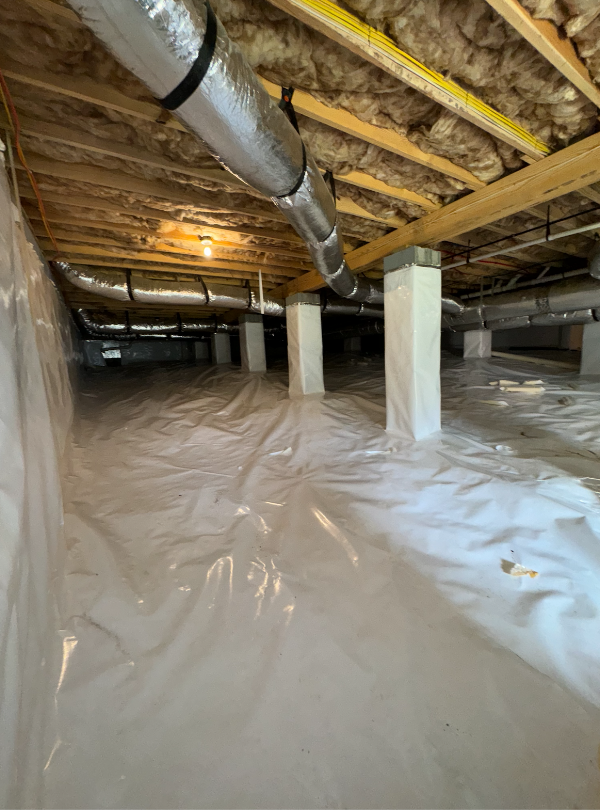 +3 photos
Queen Foundation Repair
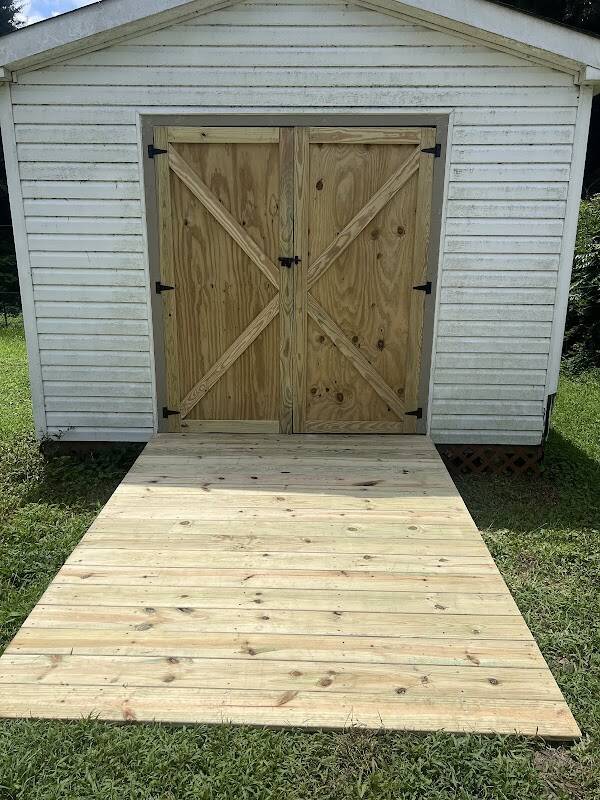
68 Construction Enterprises
Why: Strongest review activity in the last 90 days.
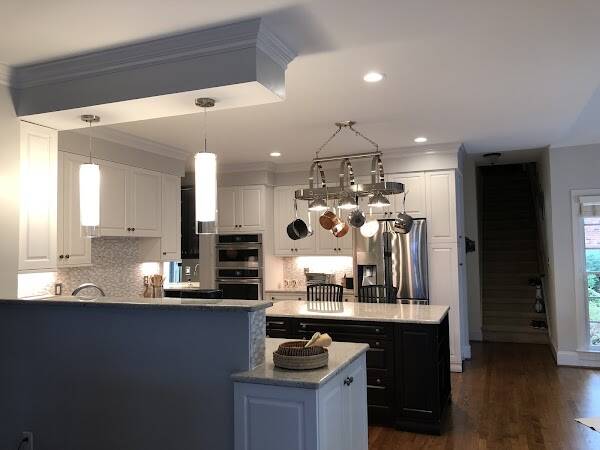
Muckridge Custom Kitchens and Baths
Why: Specialist with a long local track record.
All General Contractors contractors in North Carolina
General Contractors contractors in other North Carolina cities
- Asheville
- Burlington
- Cary
- Chapel Hill
- Charlotte
- Concord
- Durham
- Fayetteville
- Gastonia
- Greenville
- High Point
- Huntersville
- Jacksonville
- Raleigh
- Rocky Mount
- West Raleigh
- Wilmington
- Winston-Salem

