
Homeowner’s Guide to Hiring a General Contractor in Auburn, Washington
Which permits are typically required for residential construction in Auburn?
A good contractor in Auburn brings your vision to life. Turning that vision into a permitted, inspected project starts with a clear plan. First, define the scope: structural work, additions, major remodels, and new decks typically require a building permit; cosmetic updates usually do not. If the project touches electrical, plumbing, or HVAC systems, expect separate trade permits. A licensed general contractor coordinates these permits, prepares plan sets, and submits them through the appropriate jurisdiction—commonly the City of Auburn for most residential work within city limits.
Next comes review. Submittals are checked for structural integrity, life safety, and site considerations. In a suburb of the Seattle metro with coastal humidity and storm-driven moisture, reviewers often look for details that control water: flashing at openings, ventilation, and appropriate materials. If the project alters grading, adds impervious surfaces, or changes roof drainage, stormwater review may be triggered. Projects near sensitive areas or steep slopes can need additional documentation; the contractor should flag these early to avoid delays.
After approval, inspections are scheduled at key milestones. Typical checkpoints include foundation, framing, rough-in for electrical/plumbing/mechanical, insulation, and final. For exterior work like siding or roofing, inspectors look closely at weather-resistive barriers and penetrations to ensure durability in Auburn’s wet season. If work extends into the public right-of-way—such as a new driveway cut or sidewalk repair—a separate right-of-way permit and traffic control plan may apply. Finally, many newer subdivisions and planned communities require HOA architectural approval alongside city permits; an experienced Auburn contractor accounts for that parallel process in the timeline and helps assemble the required documents. With a sequenced approach—scope, submittal, review, inspections—the permitting path becomes predictable instead of disruptive.
What should homeowners expect from a licensed general contractor in Auburn?
Homeowners should expect leadership, documentation, and weather-aware scheduling. A licensed general contractor assembles the team, confirms the scope, and builds a realistic timeline that accounts for long-lead materials and the rainy months common to western Washington. Detailed proposals should define allowances, exclusions, and brand or performance specs—especially for moisture-critical items like windows, roofing underlayment, and bath ventilation. A contractor familiar with Auburn’s mix of established neighborhoods and newer developments also plans around access, parking, and neighbor impacts.
Communication is central. Weekly updates, look-ahead schedules, and photo documentation keep surprises down. For example, if a homeowner is remodeling a kitchen in late fall, the contractor might front-load exterior penetrations and weatherproofing before a storm cycle, then pivot to interior trades while materials cure. Quality control includes pre-inspection walk-throughs and moisture checks on framing before insulation. A tidy jobsite, clear safety signage, and protection of finished surfaces are standard, not extras.
- Verify an active Washington contractor registration, insurance, and a track record of permitted projects in Auburn.
- Ask for a written schedule tied to inspections and weather windows, not just a start date.
- Require a submittals package for key materials (windows, roofing, waterproofing) before ordering.
- Request weekly progress reports with photos and a concise punch-list as items arise.
What payment schedule protects homeowners during renovations in Auburn? (explained for local homeowners)
A protective payment plan balances cash flow for the contractor with safeguards for the homeowner. The structure should align payments to measurable progress, include a modest down payment for mobilization and materials, and reserve funds until final completion. This approach encourages steady pacing even when weather shifts phases around Auburn’s wet season.
Milestone-based draws work well. Tie installments to completed, inspectable stages—demo and protection installed; framing and rough-ins passed; insulation and drywall hung; finishes substantially complete; final inspection and punch-list done. When a stage is verified, the corresponding draw is released, preventing front-loaded payments.
Retainage adds protection. Holding a small percentage from each draw until substantial completion keeps focus on details that matter in a humid climate: air sealing, flashing integrity, bath fan commissioning, and exterior caulking. Release most retainage after final inspection, and the remainder once punch-list items are closed.
Documentation closes the loop. Before paying each draw, request updated schedule confirmations, lien releases from major subs and suppliers, and proof of passed inspections where applicable. Keep change orders separate, priced, and signed before work proceeds; bundling them into regular draws can blur cost tracking. With these controls, payments stay proportionate to progress and quality rather than calendar days.
Which renovations add the most value to homes in Auburn? (explained for local homeowners)
Projects that stand up to moisture, improve energy comfort, and simplify daily life tend to return the most value in Auburn. Exterior upgrades lead the list. Fiber-cement or well-detailed wood siding, modern windows with robust flashing, and a properly ventilated roof system help homes look sharp and perform well through storm-driven rain. Pair those with upgraded gutters, downspouts, and ground drainage to keep foundations dry.
Inside, kitchens and bathrooms hold strong appeal, but the finish mix should be practical. Durable, easy-to-clean surfaces and quiet, high-cfm bath fans reduce humidity and wear. Lighting and layout improvements often yield outsized gains compared to luxury-only upgrades. Where floor plans feel dated, modest wall changes or widened openings can increase sightlines and natural light without overbuilding.
Heating and ventilation improvements are increasingly attractive. Heat pump systems, sealed ductwork, and balanced ventilation deliver comfort year-round while managing coastal humidity. Covered outdoor living—porches, decks with overheads, or patios with heaters—extends usable space through misty months. For homes with underutilized areas, finished lower levels or flexible rooms that double as offices or guest suites add function without expanding the footprint. Across Auburn’s blend of established streets and newer subdivisions, buyers respond to solid building envelopes, efficient systems, and thoughtful layouts more than to ultra-high-end finishes that strain the budget.
Frequently Asked Questions About general contractors in Auburn, Washington
This FAQ addresses timelines, responsibilities, protections, and moisture-aware practices relevant to Auburn’s climate and housing stock in the Seattle metro area, the 15th most populous city in Washington. Each answer highlights practical steps homeowners can use when interviewing and hiring licensed contractors.
-
How long does a mid-size kitchen remodel usually take in Auburn’s rainy season?
Many mid-size kitchens run several weeks to a few months depending on scope, inspections, and material lead times. Smart scheduling sequences exterior penetrations and weather-sensitive tasks early, then shifts to interior work during wet stretches to avoid delays.
-
Will a general contractor coordinate permits and city inspections in Auburn?
A licensed general contractor typically prepares plans, submits permit applications, and schedules inspections at milestones like framing and rough-ins. Expect pre-inspection walk-throughs and prompt responses to inspector comments to keep the project moving.
-
What insurance and documentation should a Washington contractor provide before work starts?
Request proof of active state registration, general liability insurance, and workers’ compensation coverage, plus recent Auburn permit history. Also ask for a project schedule, submittals for key materials, and a written payment plan tied to milestones and lien releases.
-
How can homeowners avoid moisture problems during and after a remodel?
Insist on proper flashing details, ventilated roofing, sealed penetrations, and balanced bath and kitchen exhaust. Moisture checks before insulation, careful air sealing, and post-project maintenance (caulk, gutters, drainage) keep the envelope resilient in coastal humidity.
Year-round comfort in Washington starts with quality construction. Explore licensed construction professionals across Washington.
Top Rated General Contractor Contractors in Auburn
Based on verified ratings, recent review activity and license standing. How we pick
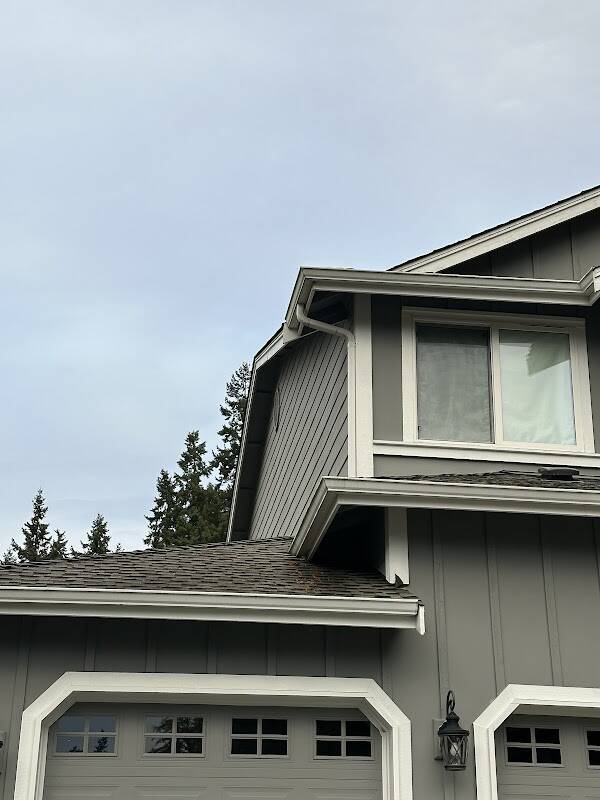 +3 photos
High Performance Homes
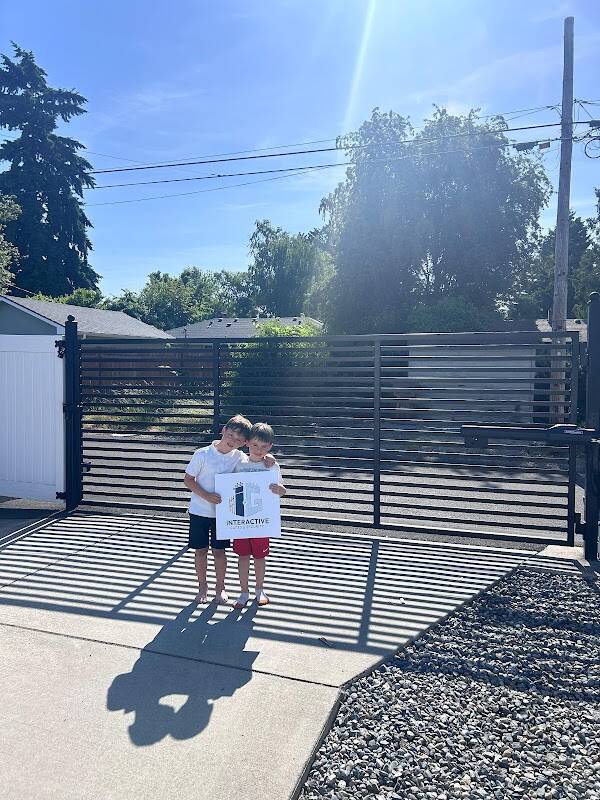
Interactive Gates & Security
Why: Strongest review activity in the last 90 days.
Vanguard Roofing LLC
Why: Specialist with a long local track record.
All General Contractors contractors in Washington
General Contractors contractors in other Washington cities
- Bellevue
- Yakima
- Bellingham
- Vancouver
- Everett
- Tri-Cities
- Federal Way
- Tacoma
- Kennewick
- Spokane
- Kent
- Spokane Valley
- Kirkland
- South Hill
- Lakewood
- Shoreline
- Marysville
- Seattle
- Olympia
- Sammamish

